
Europe Acts. €90B for Ukraine. Now It's Washington's Turn.
After months of deadlock, EU ambassadors in Brussels gave final approval to a €90 billion loan for Ukraine, alongside a 20th package of sanctions on Russia.
The decision, long held up by Hungary's Viktor Orbán, became possible only after Ukraine completed repairs to the Druzhba pipeline and resumed oil transit into Hungary and Slovakia — and after Orbán's own political era came to an end with his defeat in last Sunday's election.
The timing was not lost on anyone watching. Within hours of the pipeline resuming flow, EU ambassadors moved to approve the package.
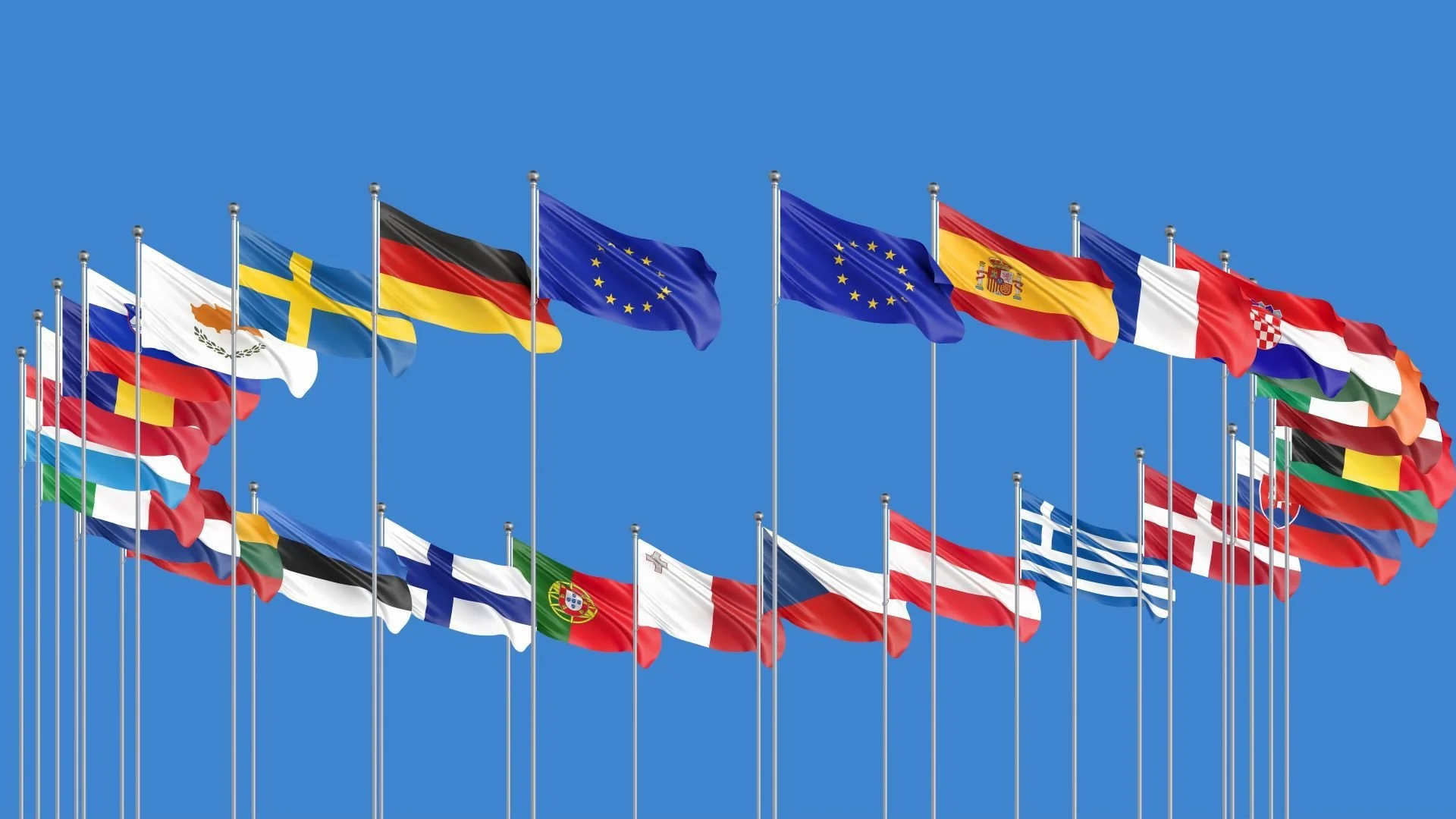
The €90 billion loan — two-thirds of Ukraine's estimated funding needs for 2026 and 2027 — will be split between macroeconomic support and defence procurement. Crucially, the loans will only become repayable once Russia pays war reparations to Ukraine. EU foreign policy chief Kaja Kallas framed it simply:
"Ukraine really needs this loan, and it's also a sign that Russia cannot outlast Ukraine."
European leaders were quick to add their voices.
Sweden's Ulf Kristersson welcomed the approval after what he called "prolonged blockages by Hungary and Slovakia," noting that "increased support to Ukraine and pressure on Russia is the key to peace."
The Netherlands' Rob Jetten called it "crucial for the Ukrainian struggle for freedom and thus for our security."
Latvia's Evika Siliņa was more pointed: "Long overdue — finally done. Agreements reached at the leaders' level should always be respected and implemented" — a barely veiled message to the outgoing Orbán.
Estonia's Prime Minister Kristen Michal urged the EU to keep up the pace, warning that "peace will not come from compromises with the aggressor; it comes from strength."
That phrase — peace through strength — is not just a European principle. It is the foundation of effective policy at every level, including in Washington.
While Europe acts, the United States has its own tools available.
And Congress must use them.
Russia does not fund this war through goodwill. It funds it through energy markets — exploiting volatility, distorting prices, and generating windfall revenues that flow directly into its military machine. H.R. 1677, the Stop Russian Market Manipulation Act, addresses that directly. It strengthens oversight and enforcement to prevent Russia from profiting off global energy disruptions — protecting consumers, reinforcing stability, and cutting off a critical revenue stream.
Europe is delivering €90 billion and a 20th sanctions package.
Congress can deliver accountability in energy markets.