
As Russia Unleashes One of Its Largest Attacks on Ukraine, Congress Must Act
In the early hours of May 24, 2026, Russia launched one of the largest aerial assaults on Ukraine since the start of its full-scale invasion, 90 missiles and 600 attack drones aimed at cities across the country. At least four people were killed, and more than 80 were injured.
Kyiv bore the brunt of it, with explosions echoing through the capital all night long.
Among the weapons Russia chose to fire was an Oreshnik intermediate-range ballistic missile, a highly destructive weapon capable of carrying a nuclear warhead, and only the third time Moscow has used it against Ukraine. It struck Bila Tserkva, a city of ordinary families, roughly 50 miles south of the capital.
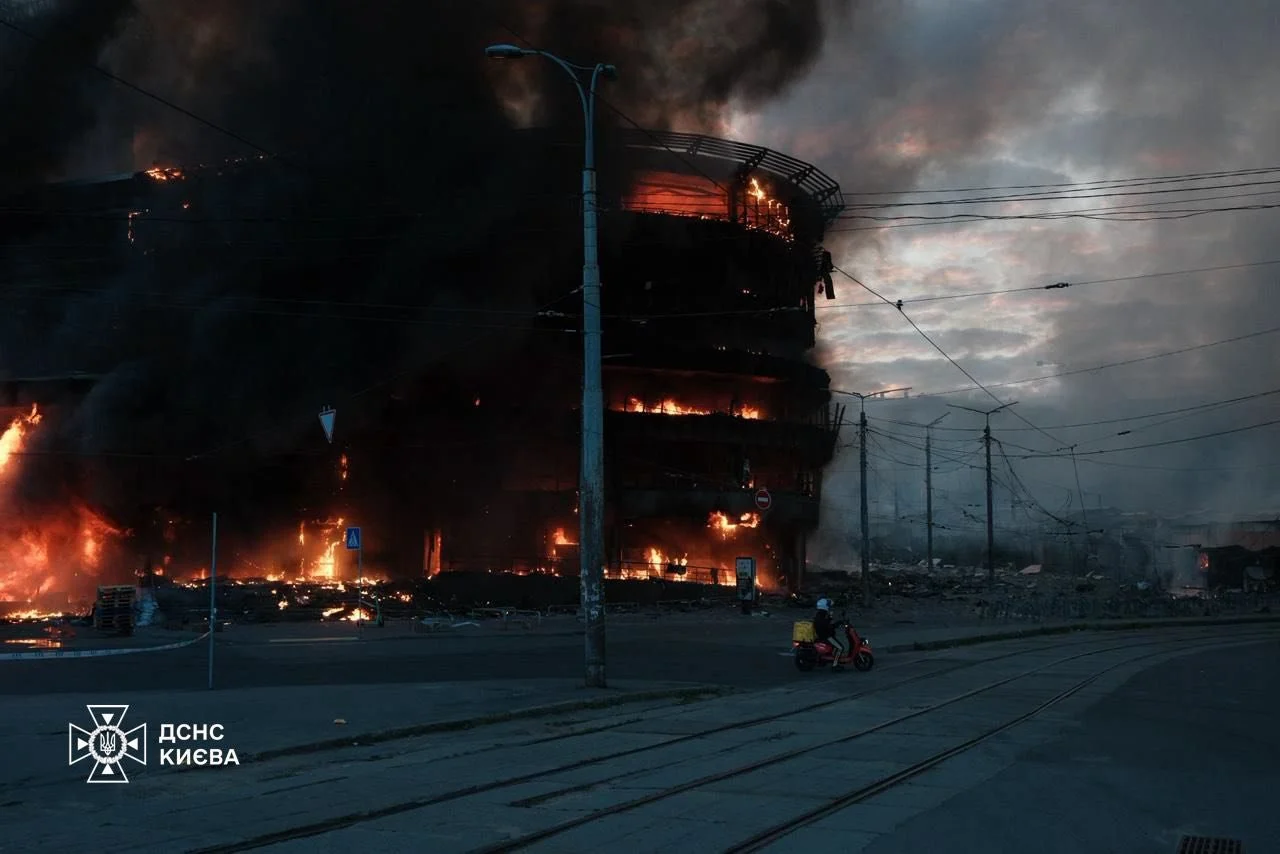
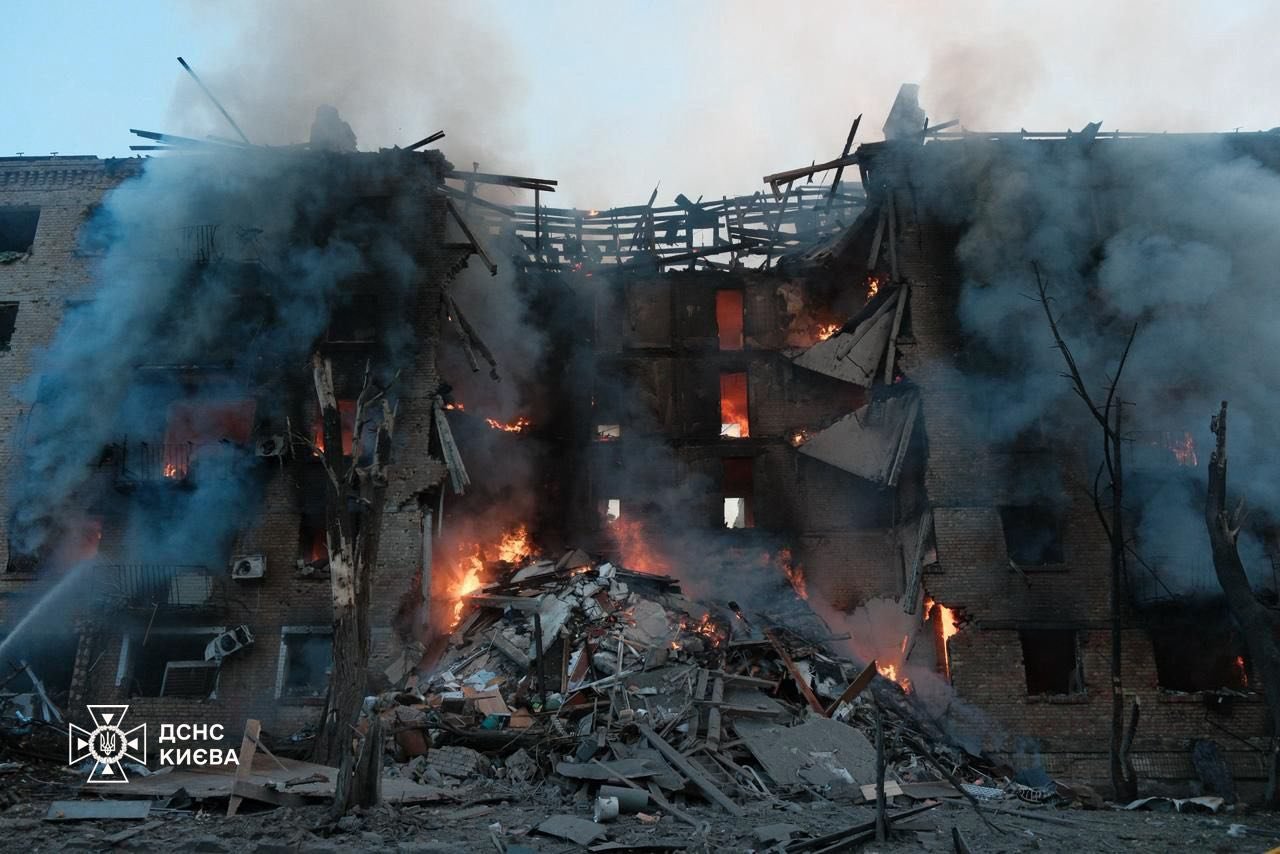
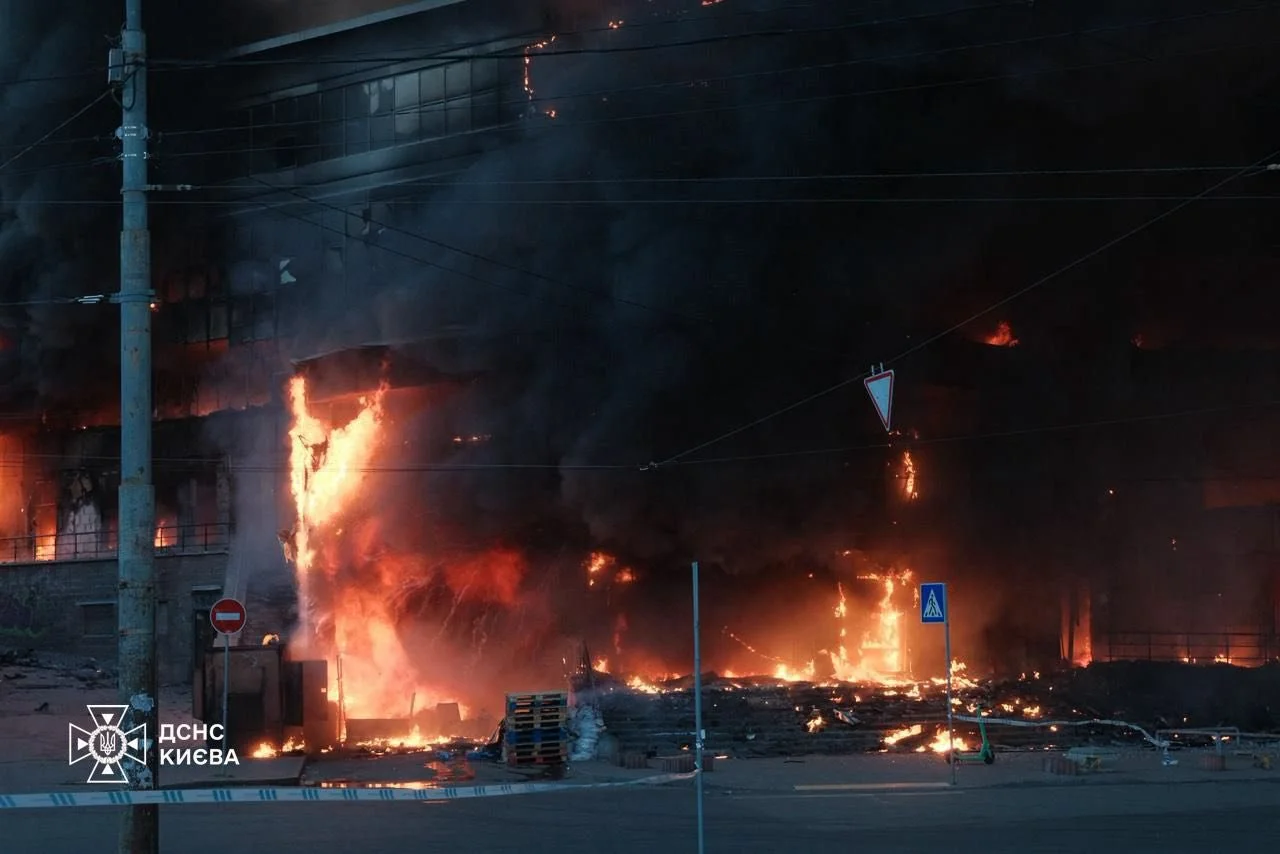
This was not a strike on a battlefield. It was an attack on water supply facilities, markets, schools, residential buildings, and a business center.
And it is exactly why strong, consistent U.S. support for Ukraine, and a clear plan for its reconstruction, cannot wait.
A Night of Destruction Aimed at Civilian Life
Ukrainian officials described a barrage designed to terrorize ordinary people. Kyiv Mayor Vitaly Klitschko reported extensive damage across the city and dozens of injured residents. President Volodymyr Zelensky said the strikes hit a water supply facility, burned down a central market, and damaged dozens of residential buildings and several schools.
And it is exactly why strong, consistent U.S. support for Ukraine, and a clear plan for its reconstruction, cannot wait.
Every such night carries a cost that lasts long after the smoke clears: homes that must be rebuilt, schools that must reopen, water systems that must be restored, and communities that must be made whole again.
Ukraine's courage on the battlefield is matched by an enormous task ahead: recovery and reconstruction.
Why Reconstruction Cannot Wait
Russia finances its war primarily through energy exports, and every barrage is a reminder that the Kremlin intends to keep striking civilian infrastructure for as long as it is able. The damage accumulates: power grids, water systems, hospitals, schools, and homes.
That is why supporting Ukraine means more than helping it defend itself today. It means standing with Ukraine as it rebuilds, restoring the essential services that allow families to stay in their communities and the economy to keep functioning.
Reconstruction is not a task for "after the war."
It is happening now, in real time, every time a Ukrainian city is hit and its people refuse to give up.
The contrast could not be clearer. As Russia escalates, the United States has a powerful, ready-made tool to respond, a comprehensive legislative package that addresses defense, sanctions, and the long road of recovery together.
H.R. 2913: A Comprehensive Answer
H.R. 2913, the Ukraine Support Act, is a comprehensive legislative package supporting Ukraine's sovereignty, reconstruction, and defense, while strengthening sanctions and export controls targeting Russia.
The bill also includes measures countering Russian disinformation and reinforcing transatlantic security cooperation. In a single piece of legislation, it brings together the elements an attack like the one on May 24 makes urgent:
Defense — helping Ukraine protect its skies and its people from missiles and drones.
Reconstruction — supporting the rebuilding of the homes, schools, water systems, and infrastructure that Russia deliberately targets.
Sanctions and export controls — tightening the economic pressure that limits the Kremlin's ability to finance its aggression.
Countering disinformation — pushing back against the false narratives Moscow uses to justify strikes on civilian targets.
Transatlantic cooperation — reinforcing the alliance of democratic partners standing with Ukraine.
It is a serious, well-rounded response to a serious threat.
Bipartisan Support
and a Bill That Deserves a Vote
H.R. 2913 enjoys broad bipartisan support, reflecting a shared American conviction that Ukraine's fight is a fight for international law, for democratic allies, and for global stability. Yet the bill has faced delays in Congress.
Recently, lawmakers used a discharge petition to force movement toward a House vote after leadership declined to advance the legislation, a clear signal that Representatives across the aisle want this bill to move forward.
The events of May 24 underscore why it should.
While diplomacy stalls and Russia answers negotiations with one of its largest barrages of the war, the United States can demonstrate steady, principled leadership by passing a bill that supports Ukraine's defense and its recovery in equal measure.
Strong support for Ukraine and continued pressure on Russia remain critical to defending international law, protecting democratic allies, and reinforcing global stability.
Contact Your Members of Congress Today and Urge Them to Support H.R. 2913
Ukraine's people are rebuilding even as the missiles fall. Congress can match that resolve. Tell your Representative: bring H.R. 2913 to a vote, and stand with Ukraine.