
Key Developments in Ukraine's Defense Effort
The past 48 hours have made one thing unmistakably clear: Ukraine is not waiting.
While diplomatic talks continue and the world watches, Ukrainian forces have launched a series of precise, coordinated strikes against the very infrastructure that keeps Russia's war machine running — its oil industry, its drone factories, and its military-industrial base.
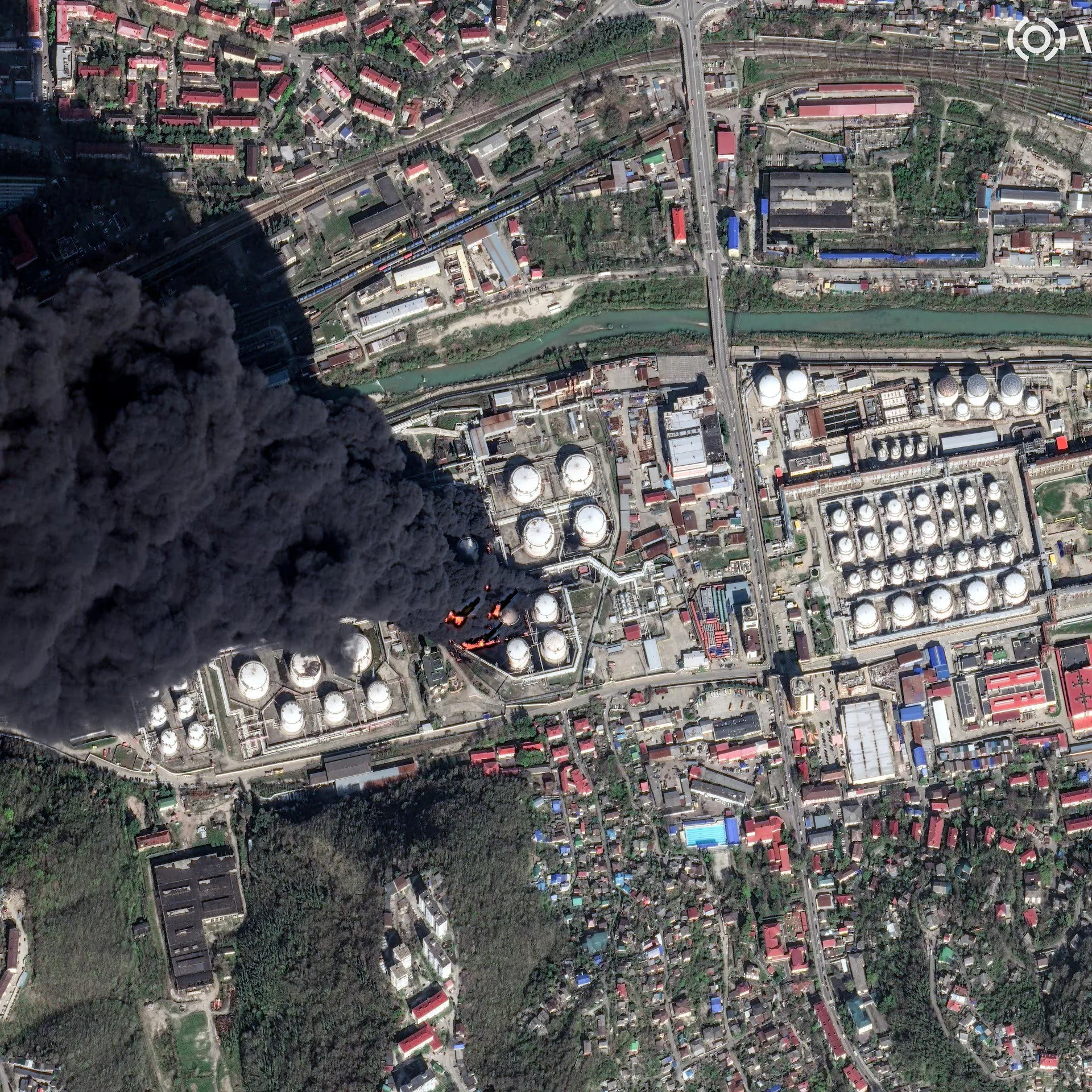
On April 20, Ukrainian drones struck the Tuapse oil hub on the Black Sea — for the second time in just four days. That is not a coincidence. According to analysts at the Atlantic Council, Ukrainian military planners are carefully timing repeat strikes on the same facilities to undermine repair efforts and compound cumulative damage.
The Tuapse refinery is no minor target. Owned by Rosneft and responsible for up to ten percent of Russia's petroleum product exports, it is one of the ten largest oil processing facilities in the country.
When it burns, Russia's war chest shrinks. Witnesses described the scene as a "volcano" along the Black Sea coastline — a vivid image of what sustained Ukrainian pressure, backed by Western support for deep-strike capabilities, can achieve.
The oil campaign is only part of the picture
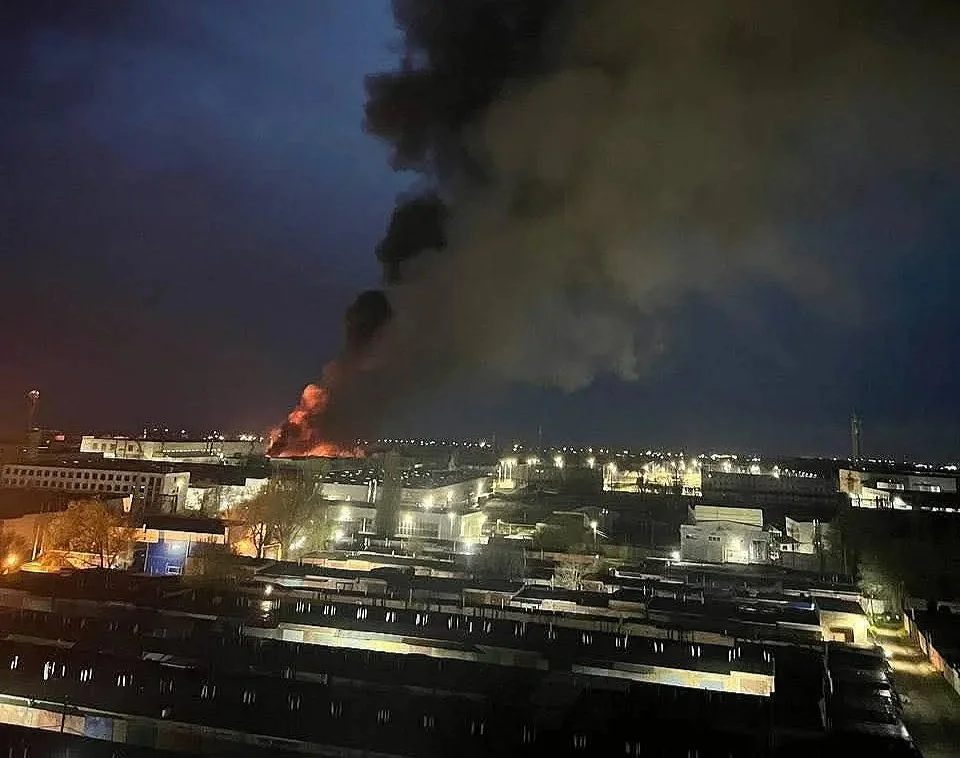
On the same day, Ukrainian forces struck the Atlant-Aero plant in Taganrog, Rostov Oblast — a facility that develops and manufactures the very Shahed drones Russia has been raining down on Ukrainian cities for months. Ukraine's General Staff confirmed the strike, which is part of an accelerating effort to dismantle Russia's drone production base at its source. Every drone factory hit is a city spared.
On the battlefield, the Institute for the Study of War reported that Russian forces managed just four platoon-sized assaults across the entire front — a remarkably feeble showing for what Moscow has been calling its spring-summer offensive.
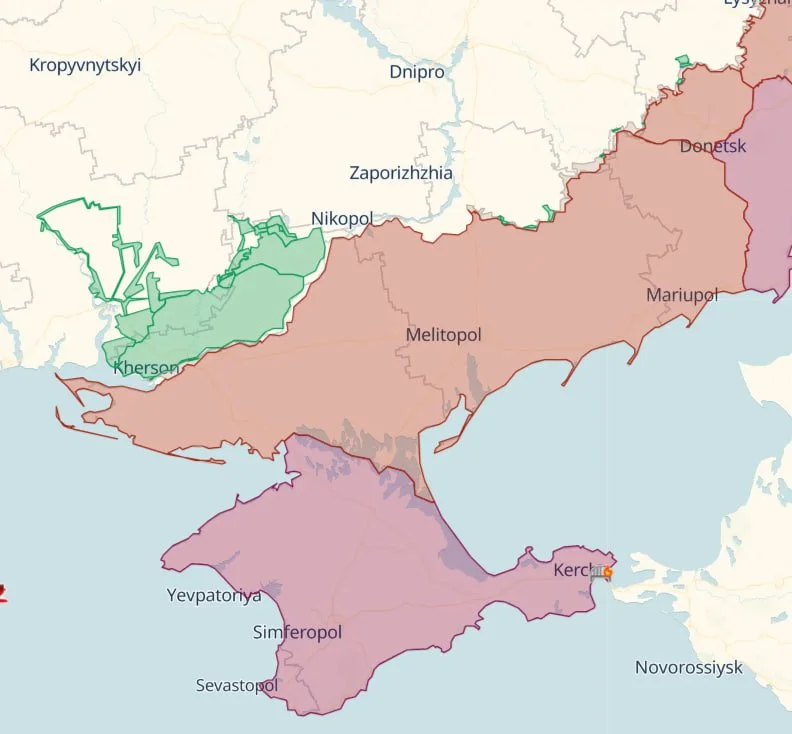
Meanwhile, Ukrainian forces advanced in the Kostyantynivka direction and — in a notable first — used a naval surface-vessel-launched interceptor drone to shoot down a Russian Shahed strike drone. It was the first time such a system had been used in this way, underscoring how rapidly Ukraine continues to innovate under pressure. ISW assessed that Russia's current tempo is unlikely to produce any meaningful operational gains.
Beyond the battlefield, the moral weight of this moment continues to grow

Pope Leo XIV issued a public statement expressing solidarity with the Ukrainian people, saying he is "deeply saddened by the recent escalation of attacks against Ukraine, which continue to afflict civilians." His words join a growing chorus of international voices calling out what Russia's war actually is — not a border dispute, not a negotiation, but a sustained assault on human life.
All of this points to a single, uncomfortable truth: Russia's ability to sustain this war depends on money. And that money still flows — through oil exports, through financial loopholes, through shadow tankers sailing under obscure flags with hidden ownership, delivering Russian crude to buyers who would otherwise face legal consequences for purchasing it.
That is exactly why S. 2904 matters.
The SHADOW Fleet Sanctions Act of 2025 targets the ships, the networks, and everyone who profits from helping Russia evade Western sanctions. It closes the enforcement gaps that the Kremlin has exploited for years — and it sends a clear signal that there is no safe harbor for those who fuel this war.
Ukraine is doing its part. Congress must do its.
Urge your Senators to support S. 2904 today:
Photo Credits:
📷 Satellite image shows smoke billowing from fire following drone attacks on the Russian oil facility in the Black Sea port of Tuapse, Krasnodar Krai, Russia, April 16, 2026. Vantor/Handout via REUTERS
📷 Frontline map via DeepState Map: deepstatemap.live
📷 Pope Leo XIV greets visitors in St. Peter's Square before his general audience at the Vatican, June 25, 2025. CNS/Lola Gomez
Sources:
Atlantic Council — Russia threatens Europe as Ukraine escalates strikes on Putin's oil industry
Kyiv Post — ISW Russian Offensive Campaign Assessment, April 19, 2026
Kyiv Independent — Ukrainian drone strikes turn major Russian oil refinery into 'volcano' along the Black Sea
Kyiv Independent — Ukraine strikes Russian drone plant in Taganrog, military confirms
Kyiv Independent — Pope Leo voices 'solidarity' with Ukraine amid escalating attacks on civilians