
S. 1296 - DETERRENT Act: Closing the Door on Foreign Influence in American Universities
Russia's influence operations don't stop at the battlefield. For years, hostile foreign regimes have used financial relationships with U.S. academic institutions — gifts, contracts, research partnerships — as quiet entry points into American life. S. 1296, the DETERRENT Act, is designed to change that.
What the Bill Does
The DETERRENT Act strengthens disclosure requirements for foreign gifts and financial relationships involving U.S. institutions of higher education. It adds specific safeguards targeting countries and entities of concern — including Russia — and increases accountability standards for academic institutions receiving foreign funding.
The goal is straightforward: greater transparency, less room for foreign influence to expand unnoticed inside American research and education.
A related House version has already advanced. Progress in the Senate, however, has slowed — making public pressure and congressional support more critical than ever.
Who's Behind It
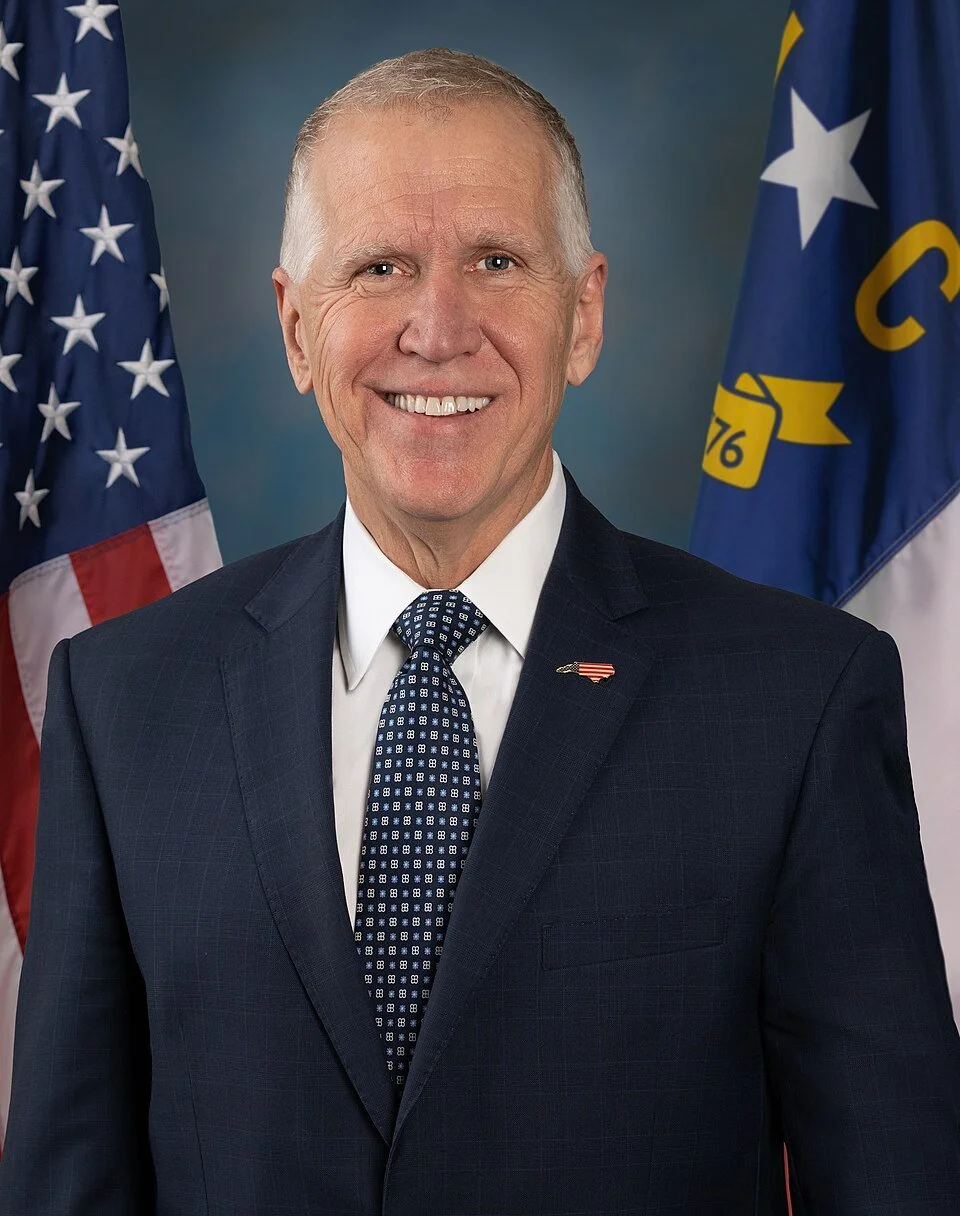
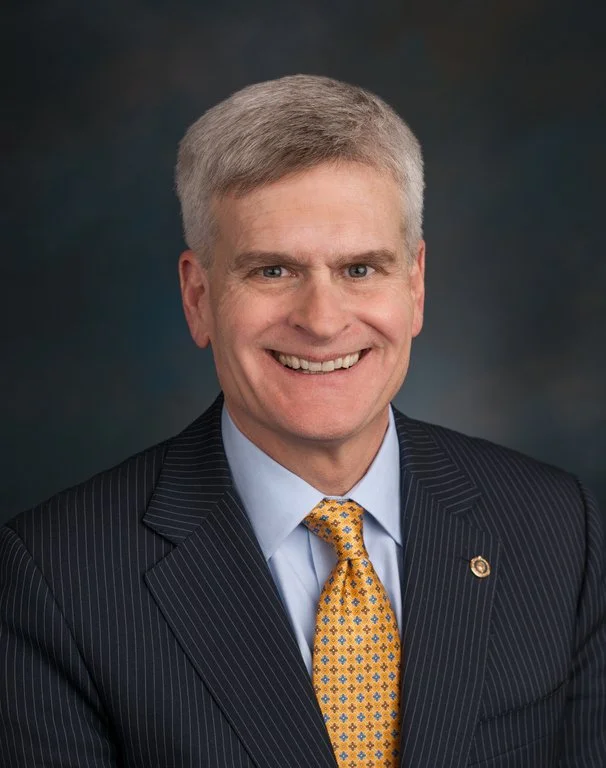
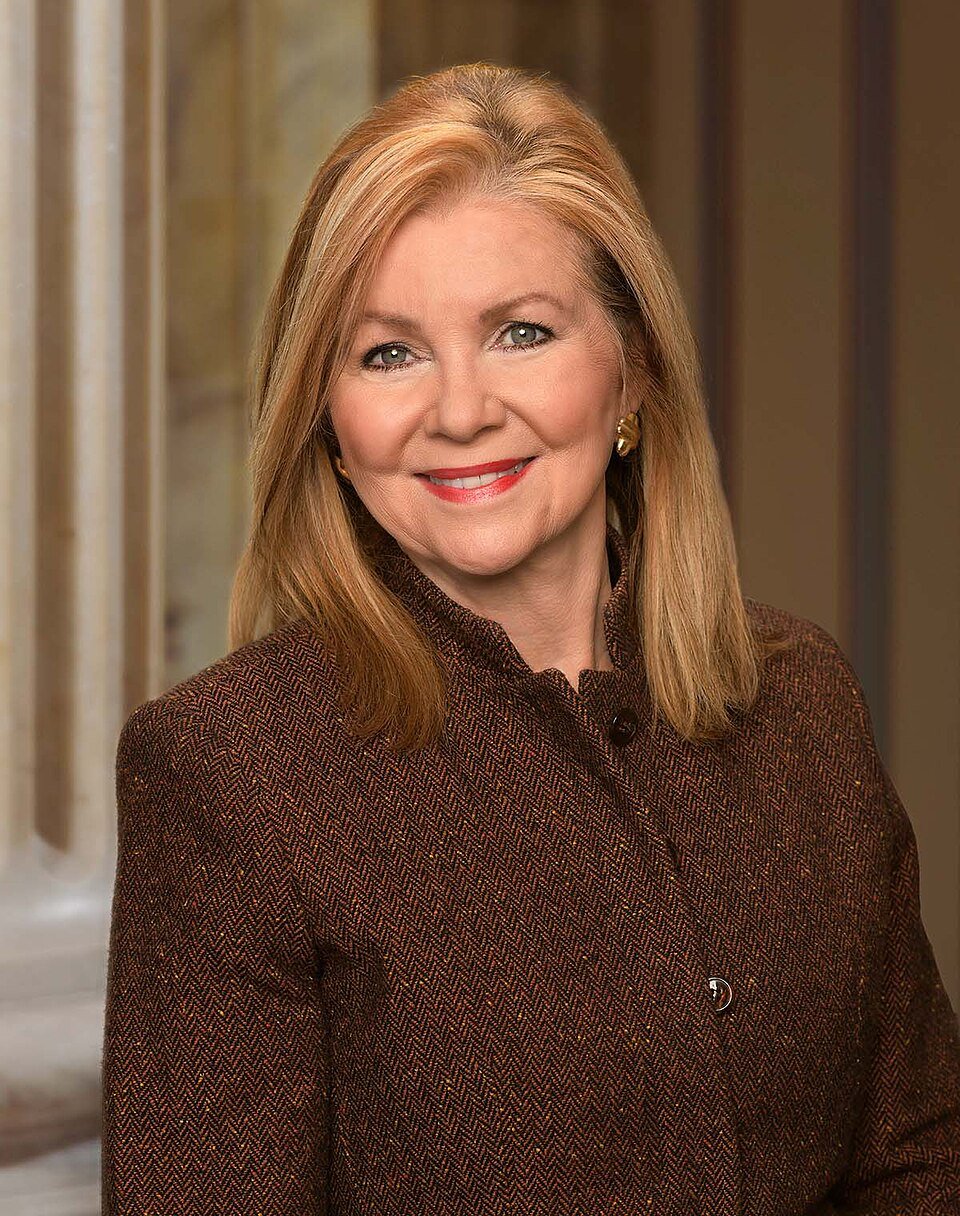
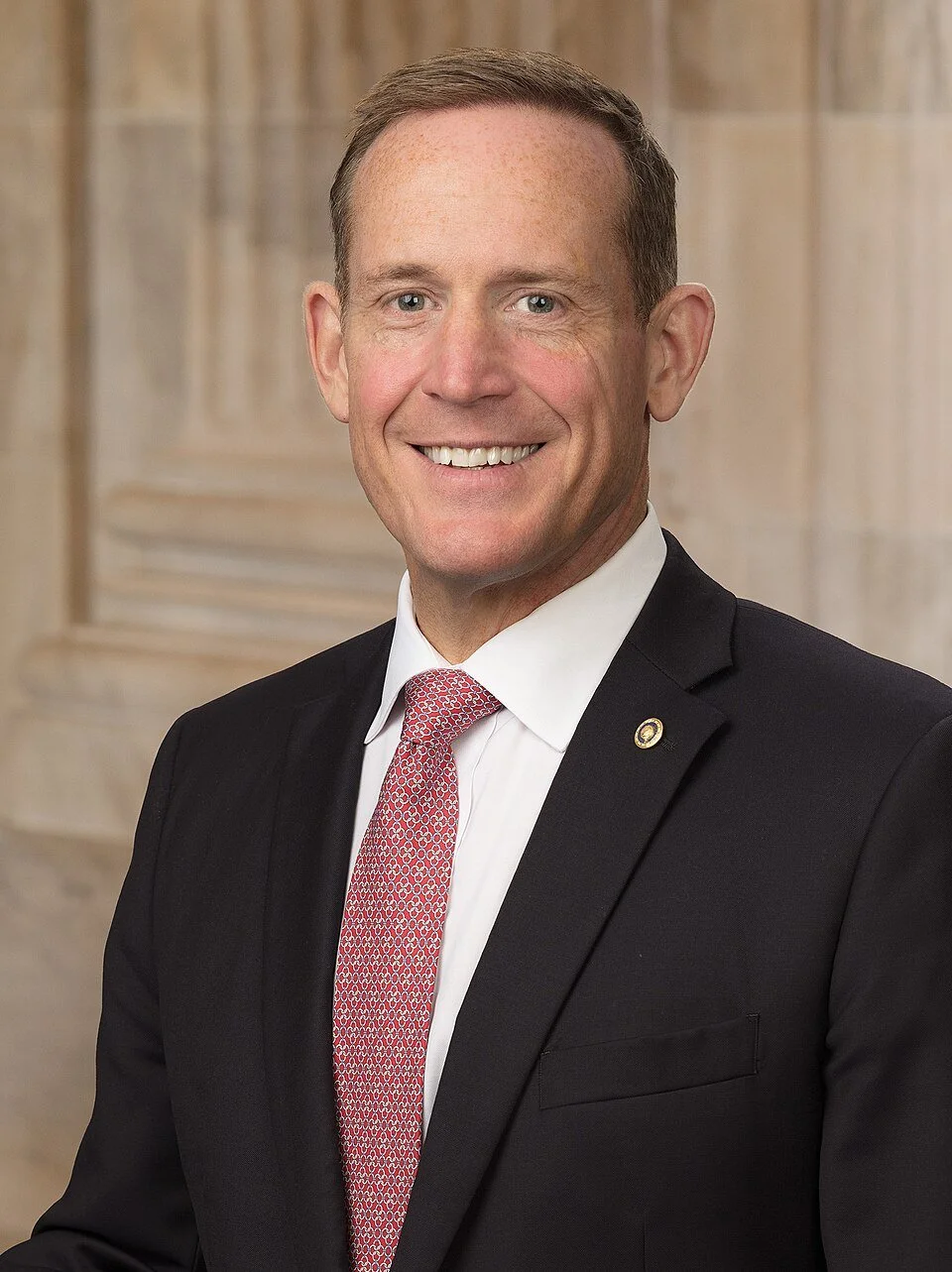

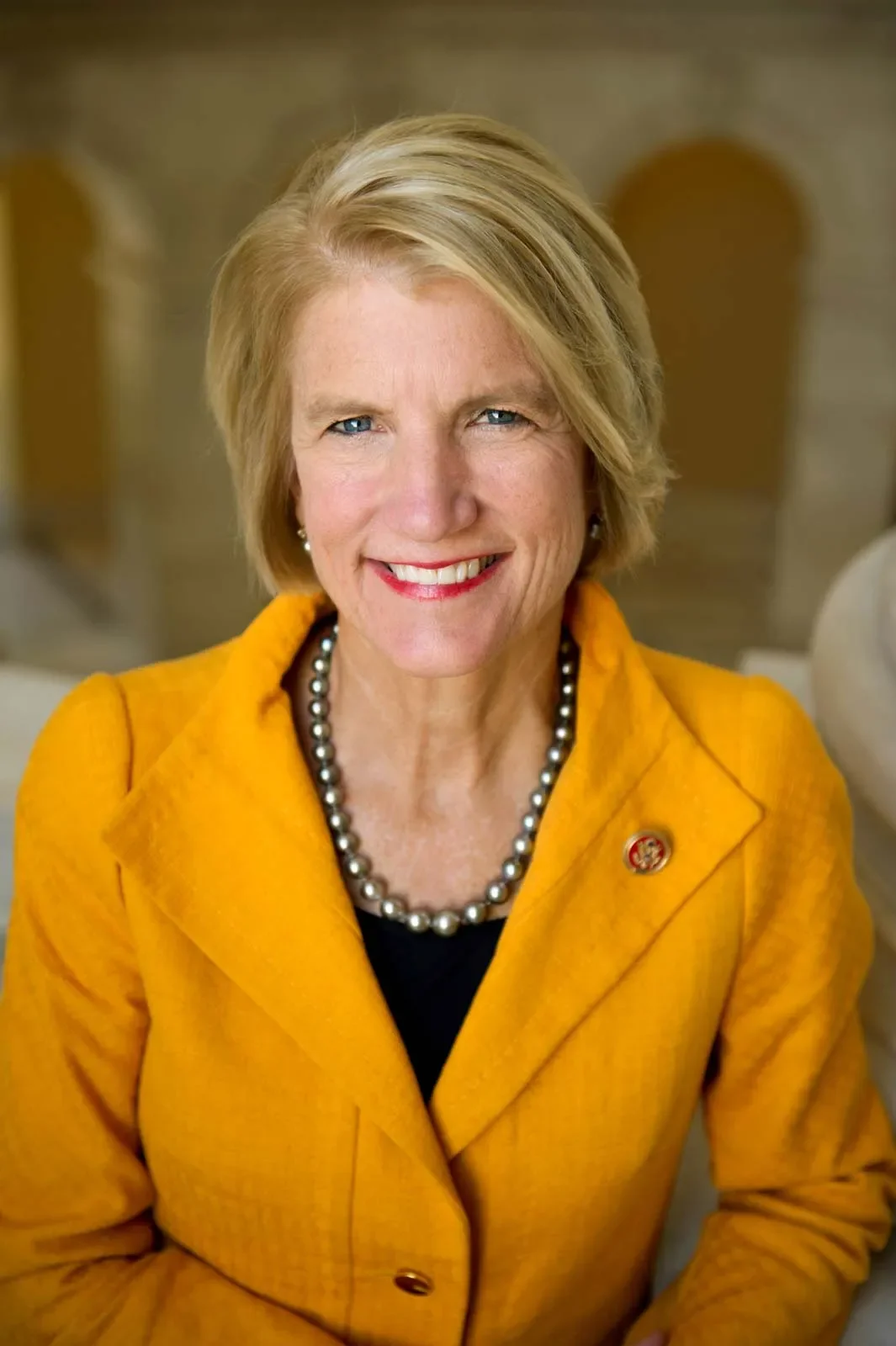
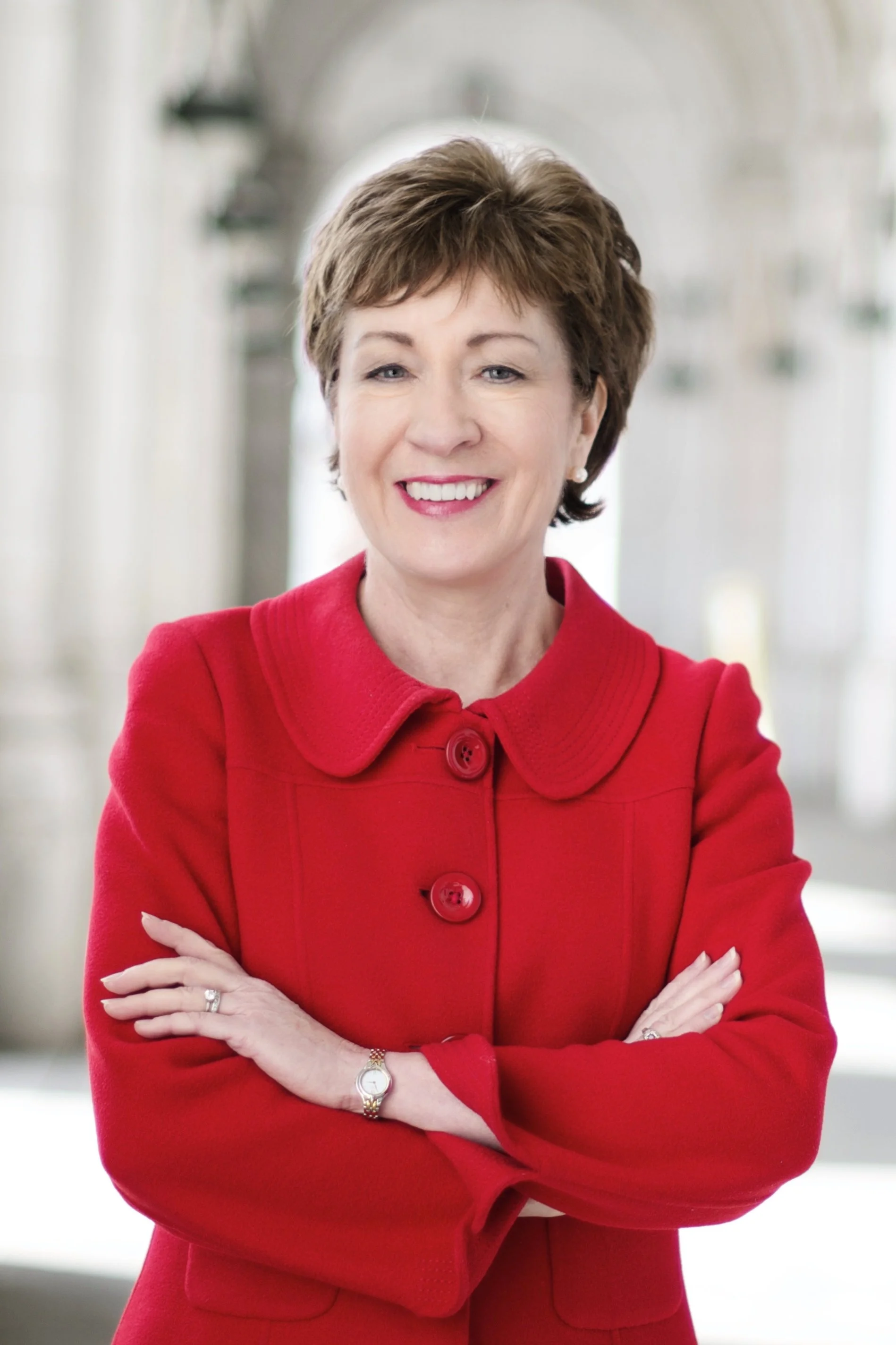
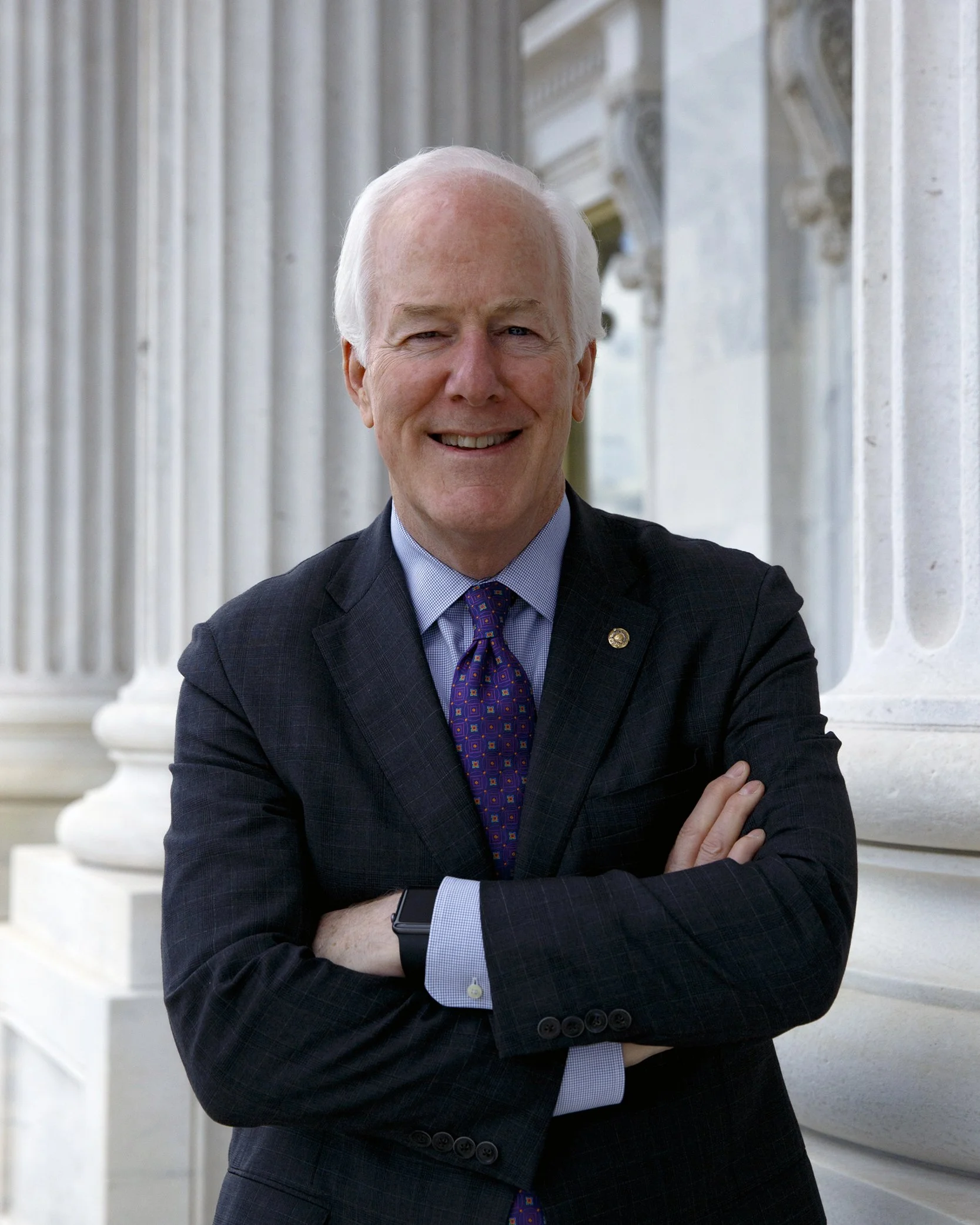
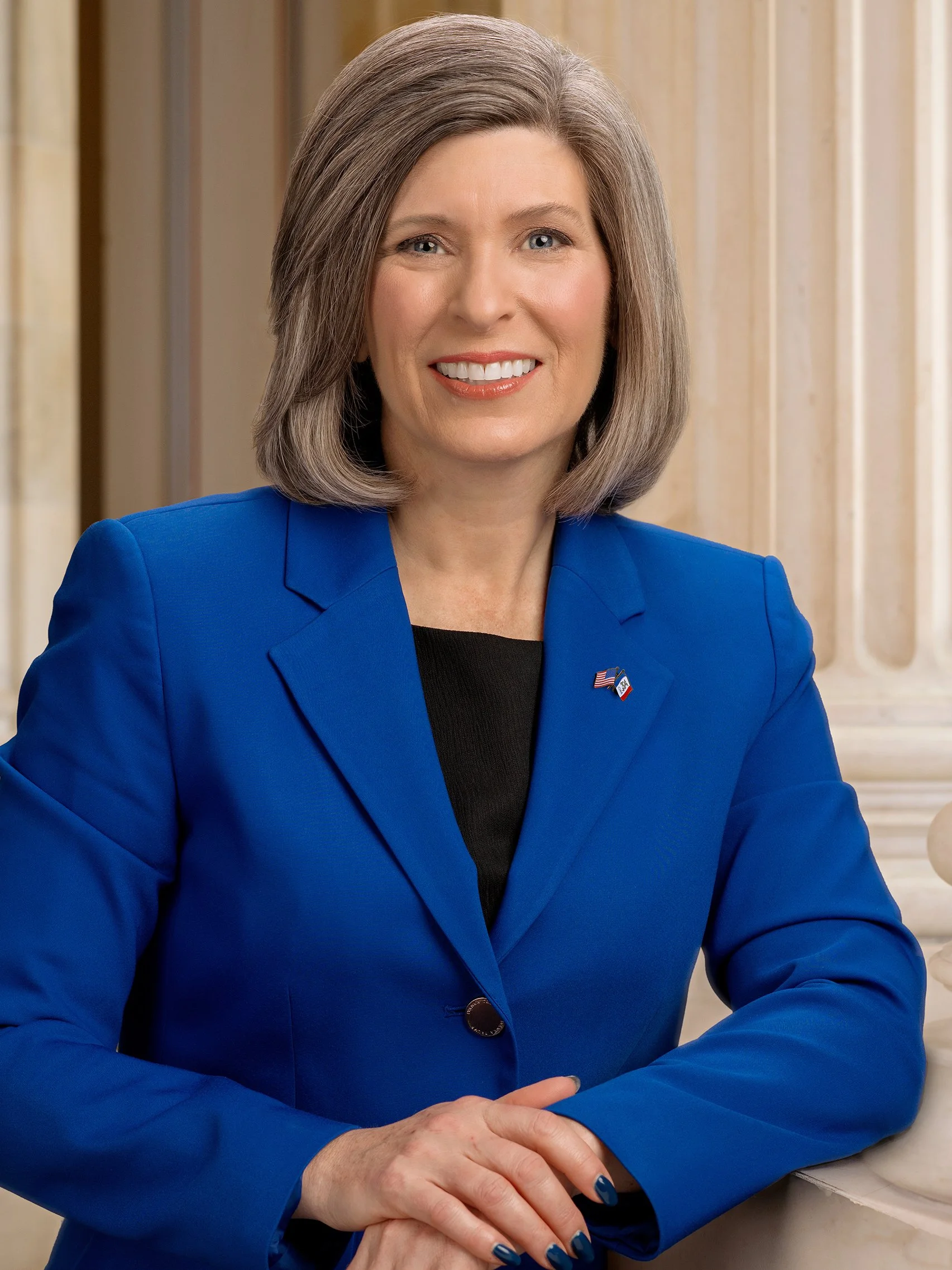
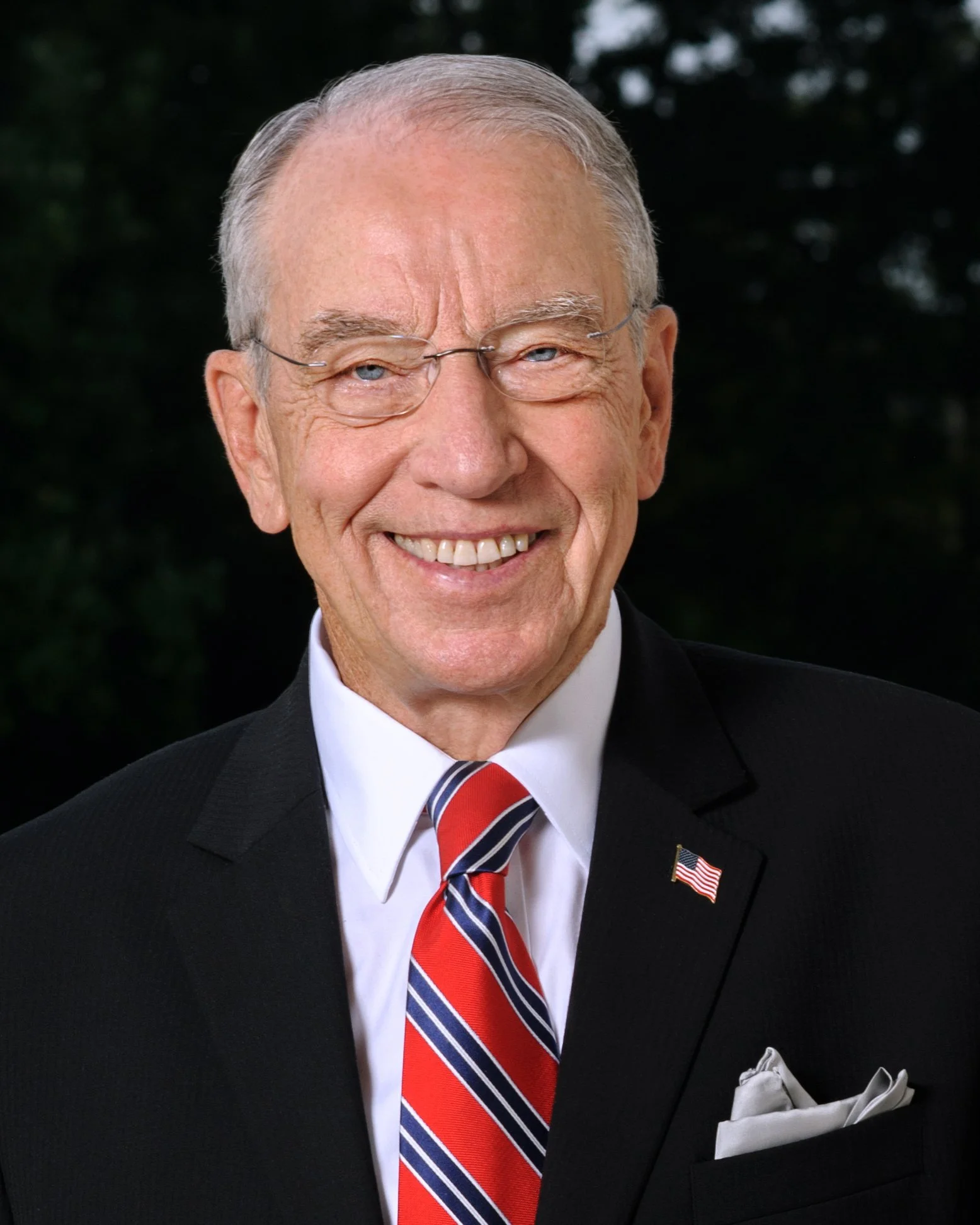
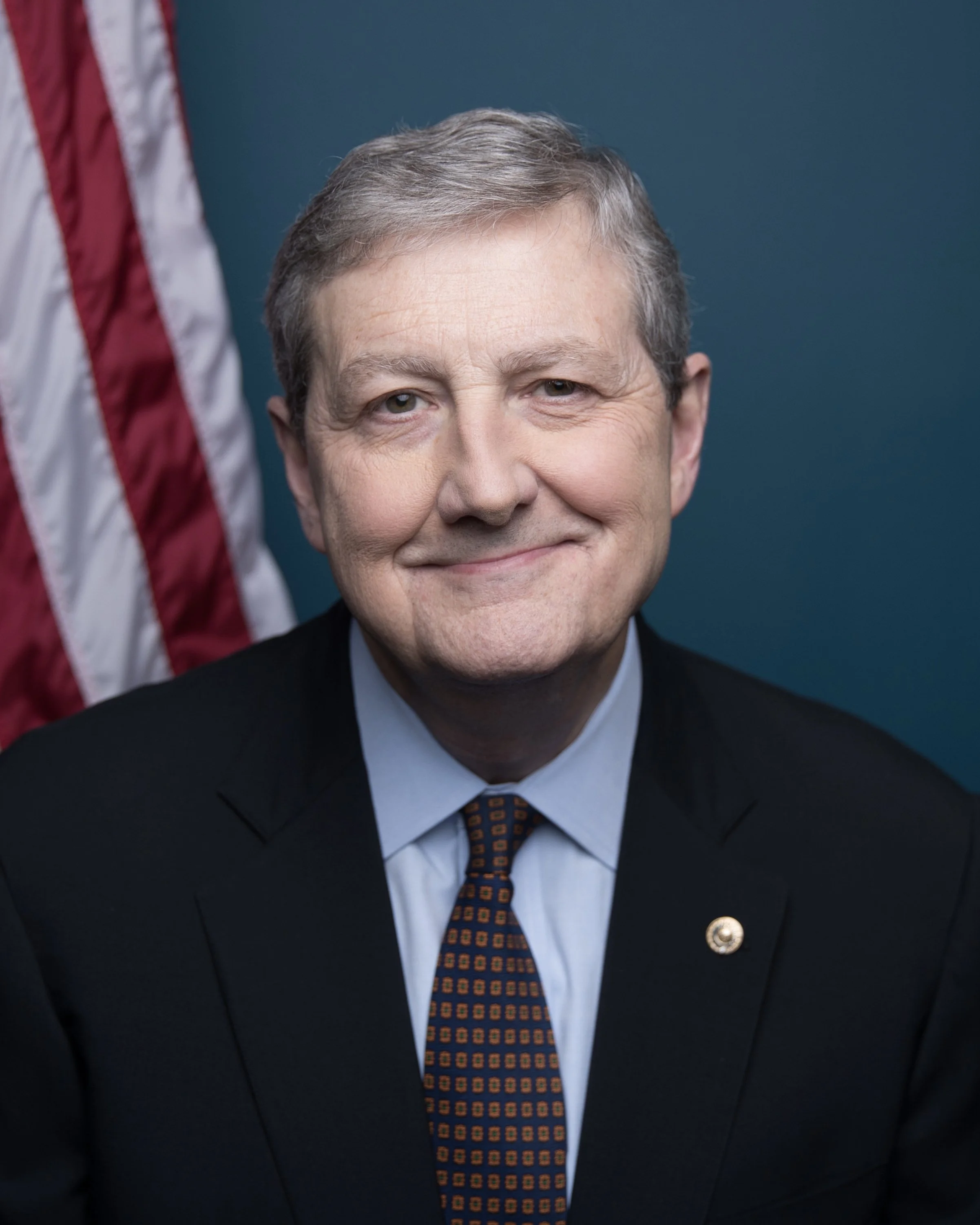
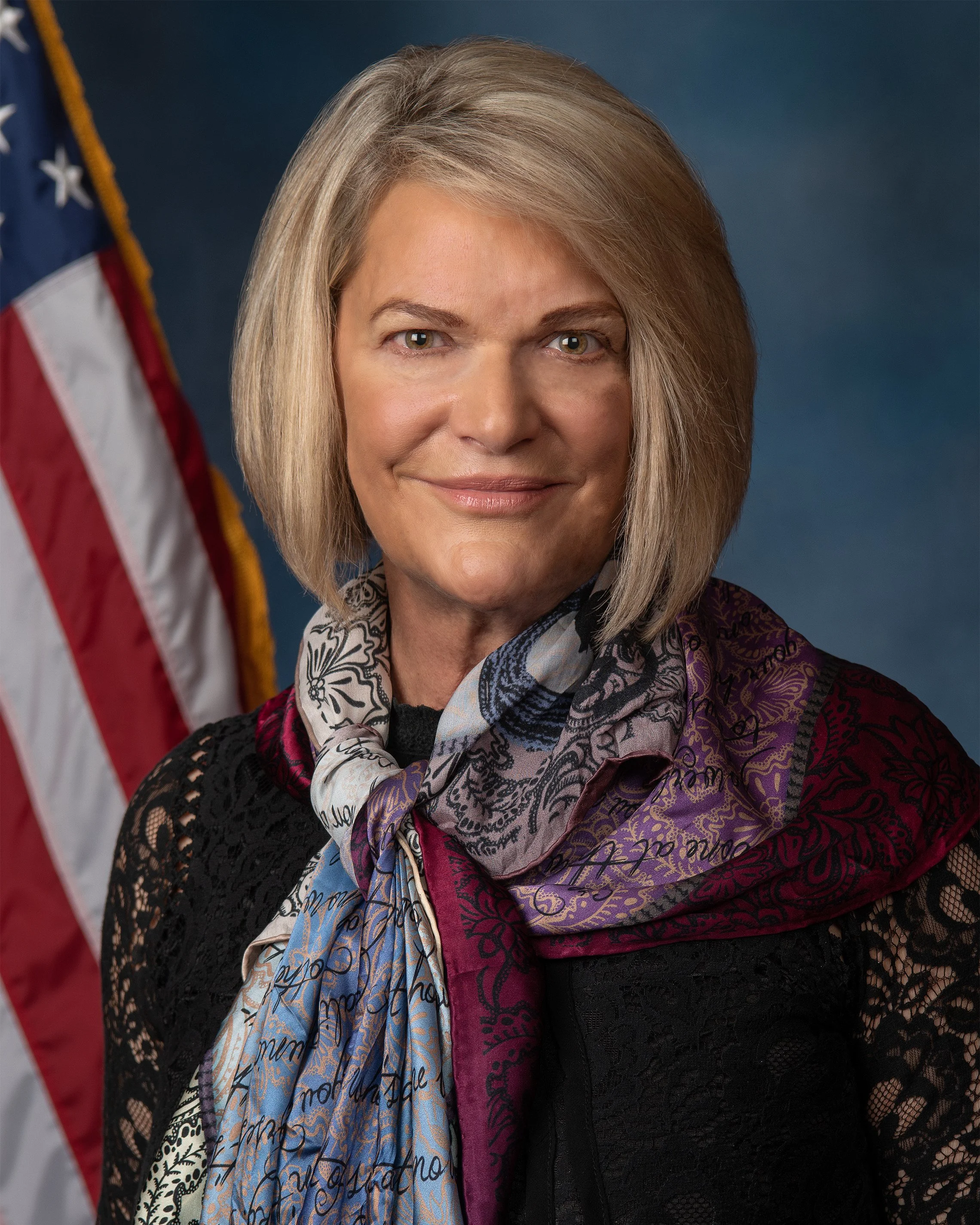
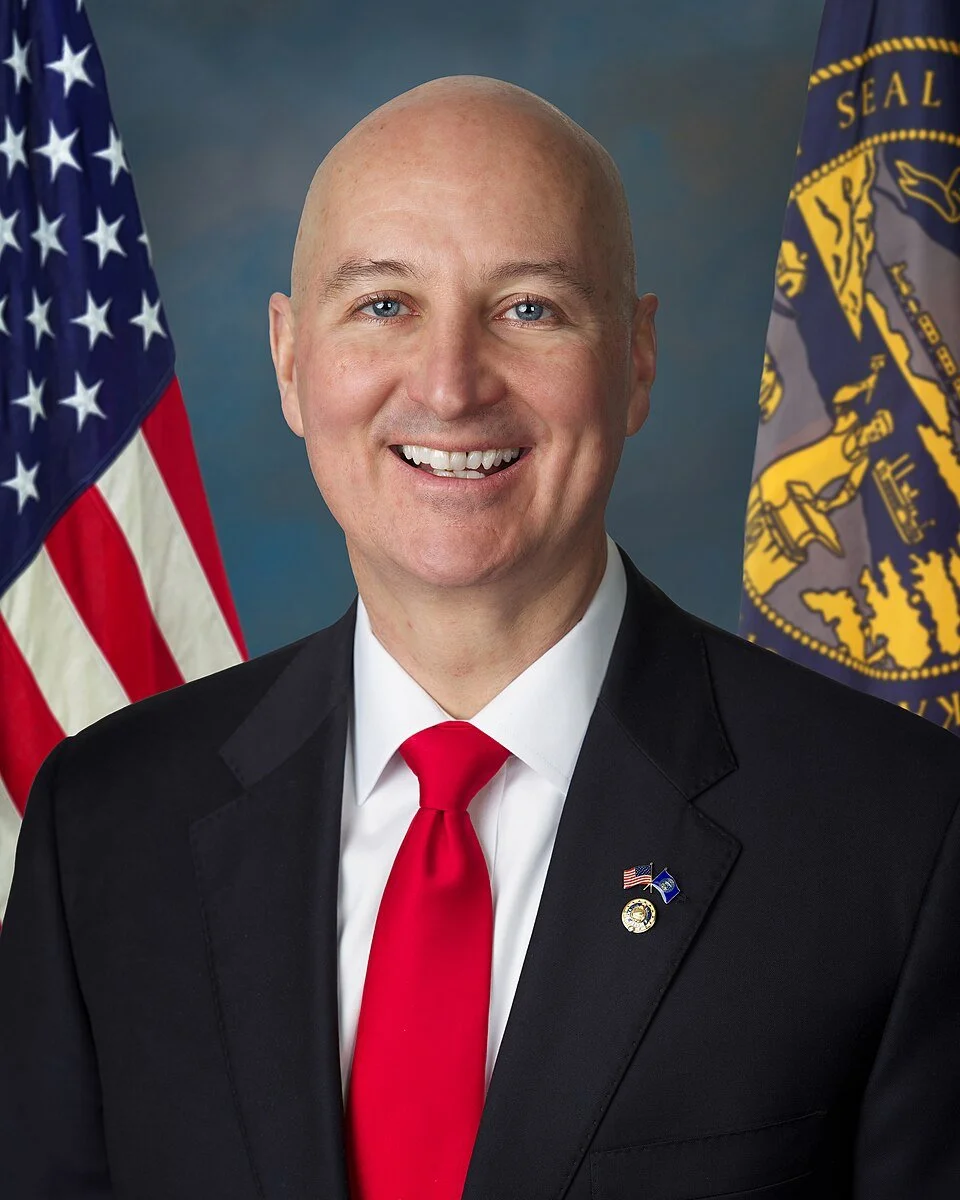
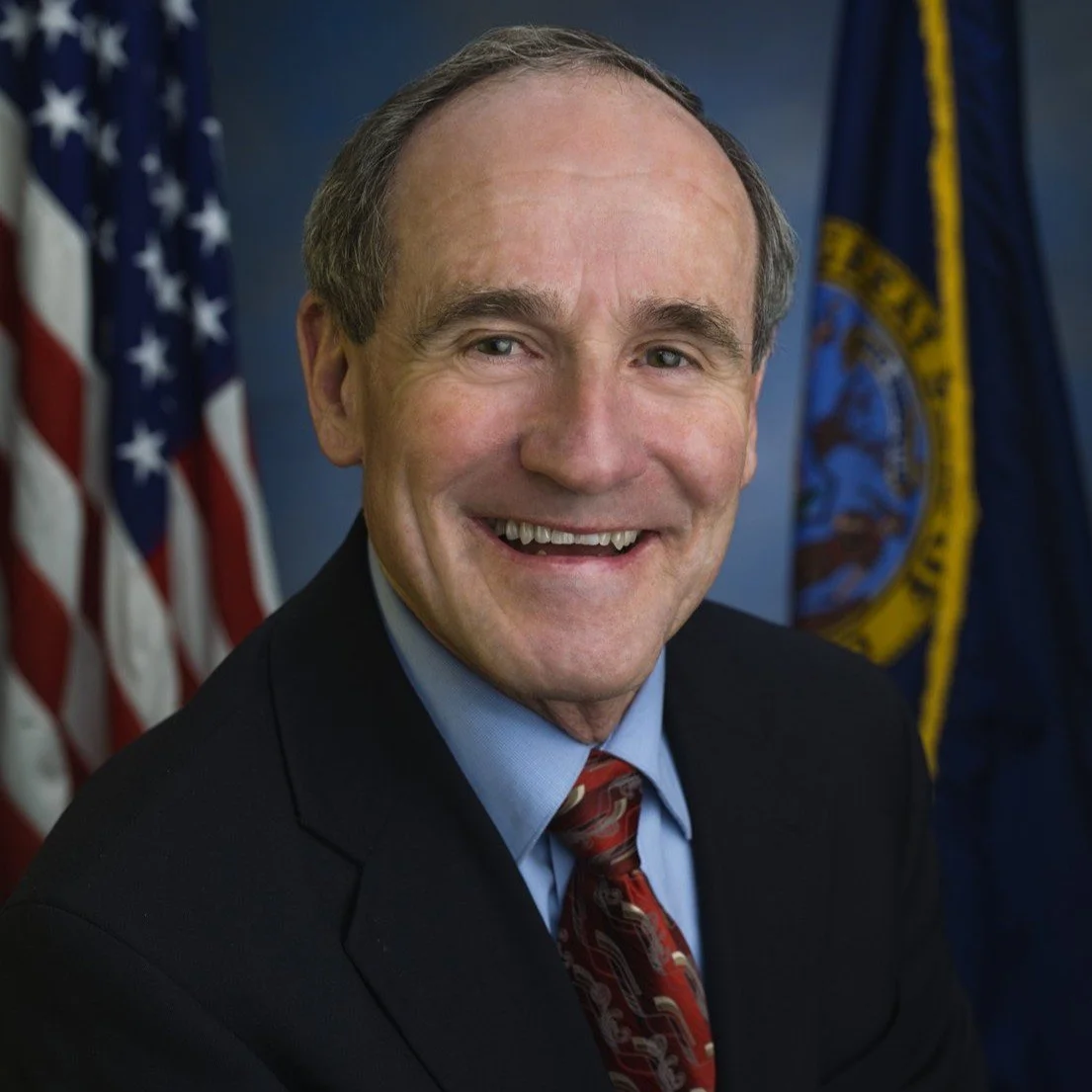
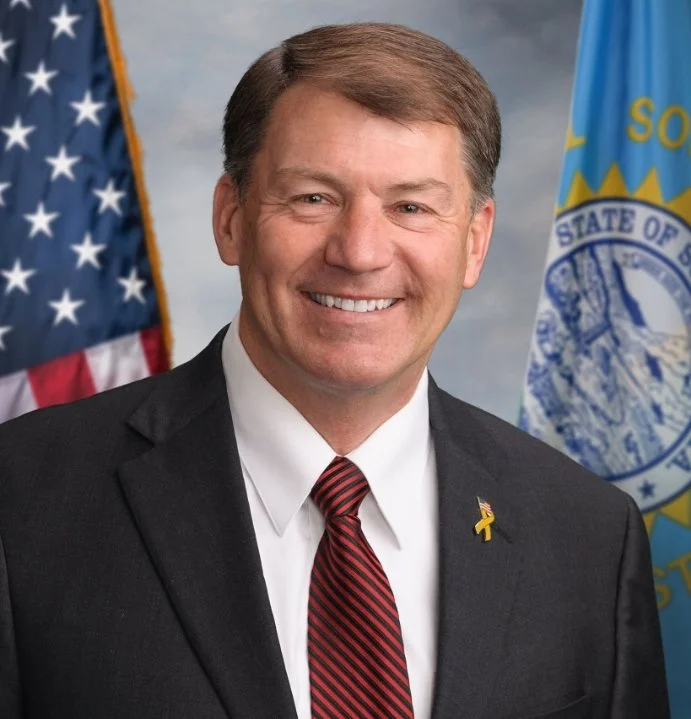
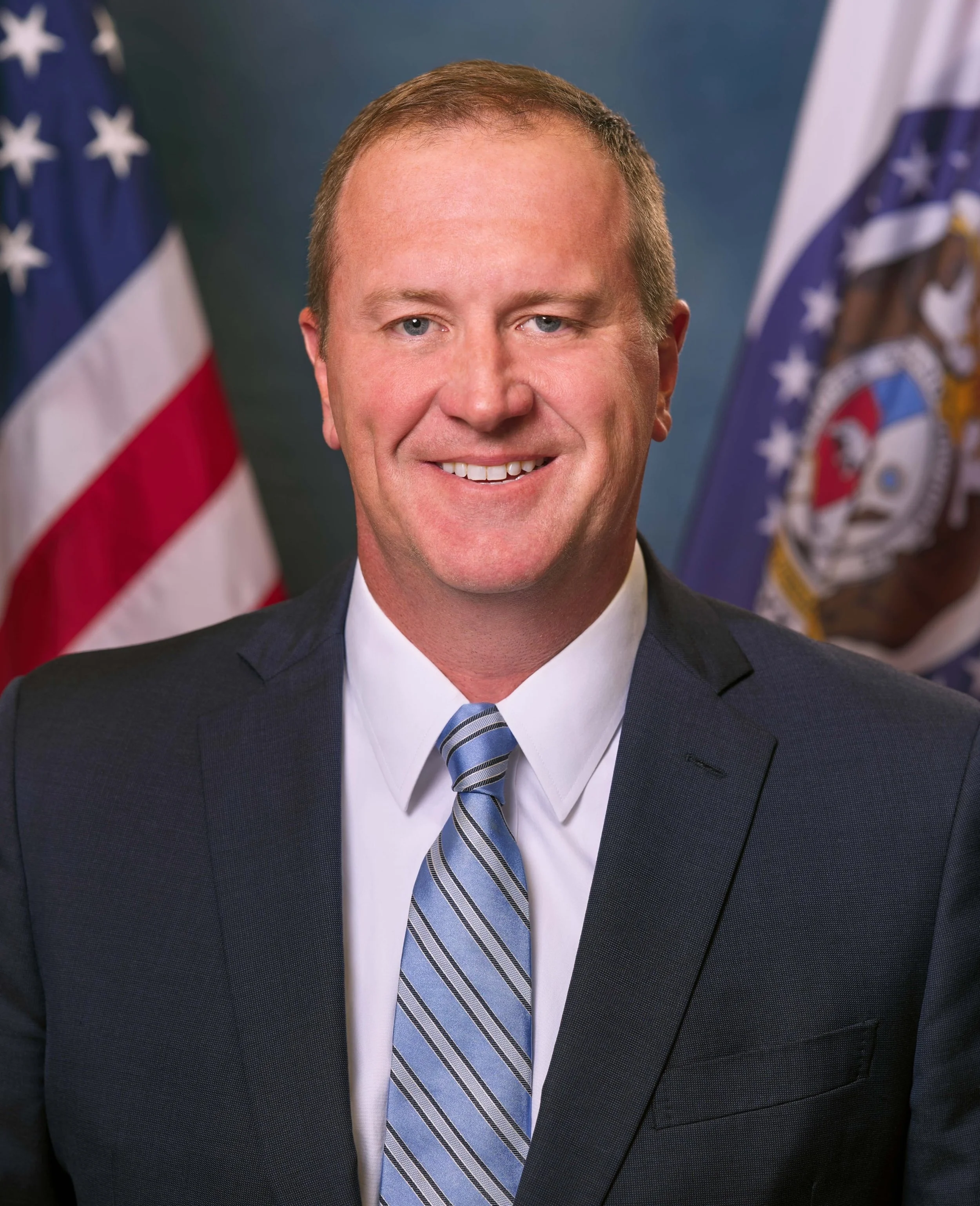
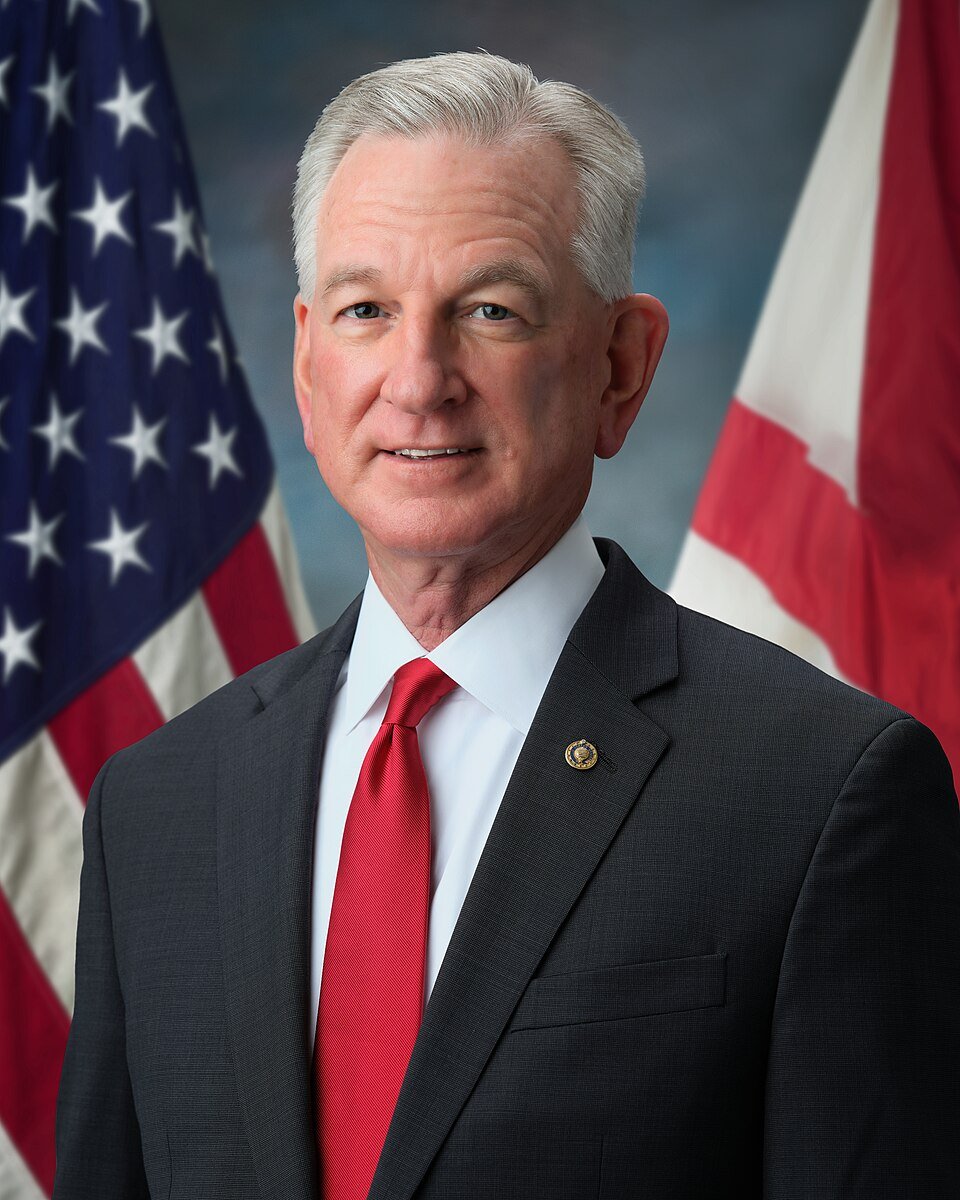
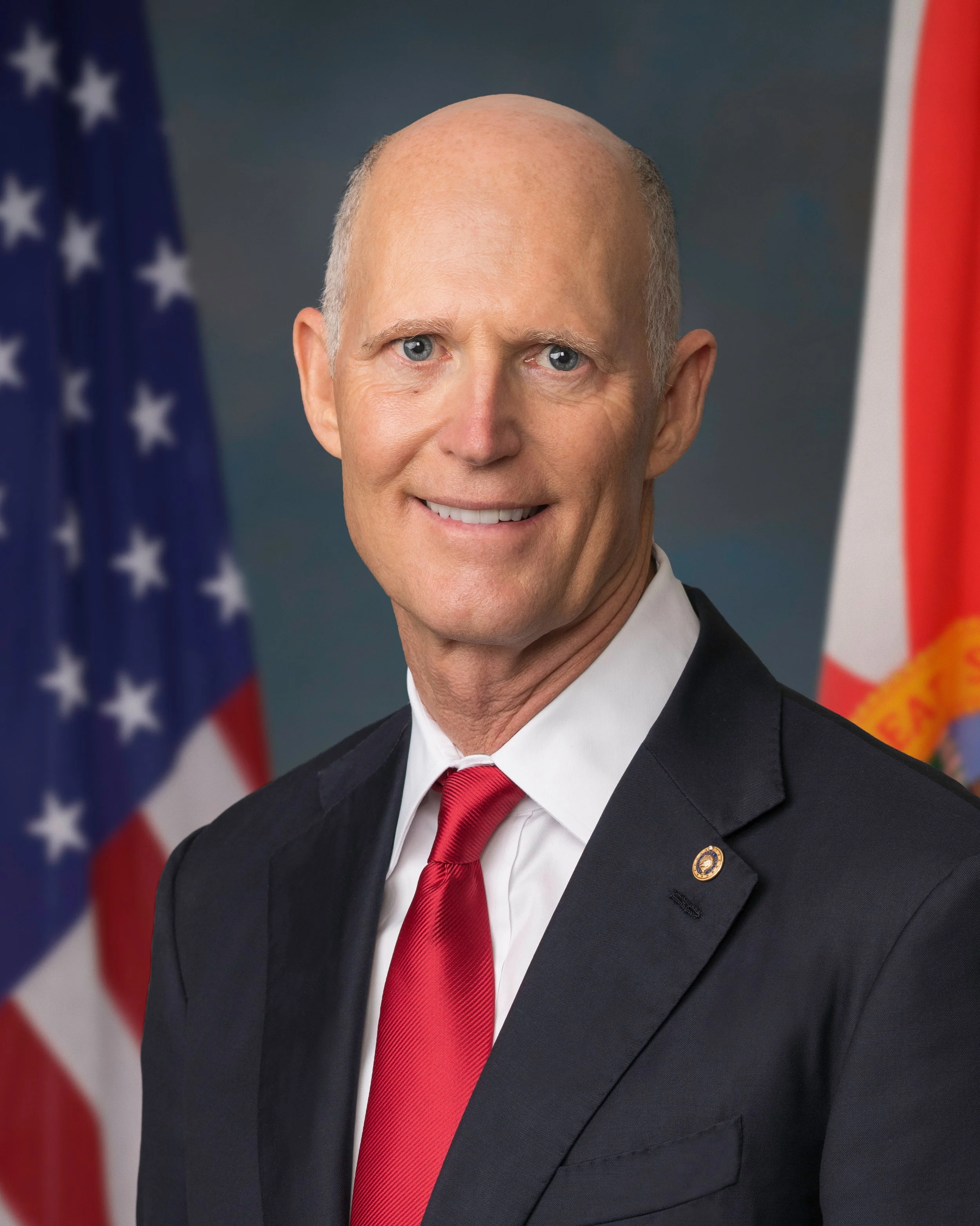
Sponsored by 🔴Sen. Thom Tillis (R-NC), the bill has attracted 17 cosponsors to date:
🔴 Sen. Bill Cassidy (R-LA)
🔴 Sen. Marsha Blackburn (R-TN)
🔴 Sen. Shelley Moore Capito (R-WV)
🔴 Sen. John Cornyn (R-TX)
🔴 Sen. Joni Ernst (R-IA)
🔴 Sen. Chuck Grassley (R-IA)
🔴 Sen. Rick Scott (R-FL)
🔴 Sen. Pete Ricketts (R-NE)
🔴 Sen. Eric Schmitt (R-MO)
🔴 Sen. Cynthia Lummis (R-WY)
🔴 Sen. James Risch (R-ID)
🔴 Sen. Mike Crapo (R-ID)
🔴 Sen. Susan Collins (R-ME)
🔴 Sen. Mike Rounds (R-SD)
🔴 Sen. John Kennedy (R-LA)
🔴 Sen. Tommy Tuberville (R-AL)
🔴 Sen. Ted Budd (R-NC)
Why It Matters
Academic institutions are among the most open environments in the United States — and that openness can be exploited.
Foreign funding with limited disclosure requirements creates blind spots that hostile regimes have historically used to access sensitive research, build relationships with policymakers, and quietly expand their influence.
Strong disclosure standards are not about closing off international collaboration. They are about ensuring that collaboration happens transparently — and that American institutions aren't unknowingly serving the interests of governments actively working against U.S. national security.
With Russia continuing its war against Ukraine and its broader campaign to undermine Western institutions, the DETERRENT Act is a timely and necessary step.