
H.R. 7094: Why Congress Must Close the Loophole Funding Russia's War
Sanctions on Russia's energy sector are one of the most powerful tools the United States has to weaken Moscow's ability to wage war against Ukraine. Yet a critical loophole remains open:
U.S. oilfield service companies continue to support Russian oil production through a vast network of foreign subsidiaries, even after direct U.S. petroleum services to Russia were banned in January 2025.
This loophole means American expertise, equipment, and software keep flowing into Russian oil fields, and Russian oil revenue keeps flowing into the Kremlin's war budget.
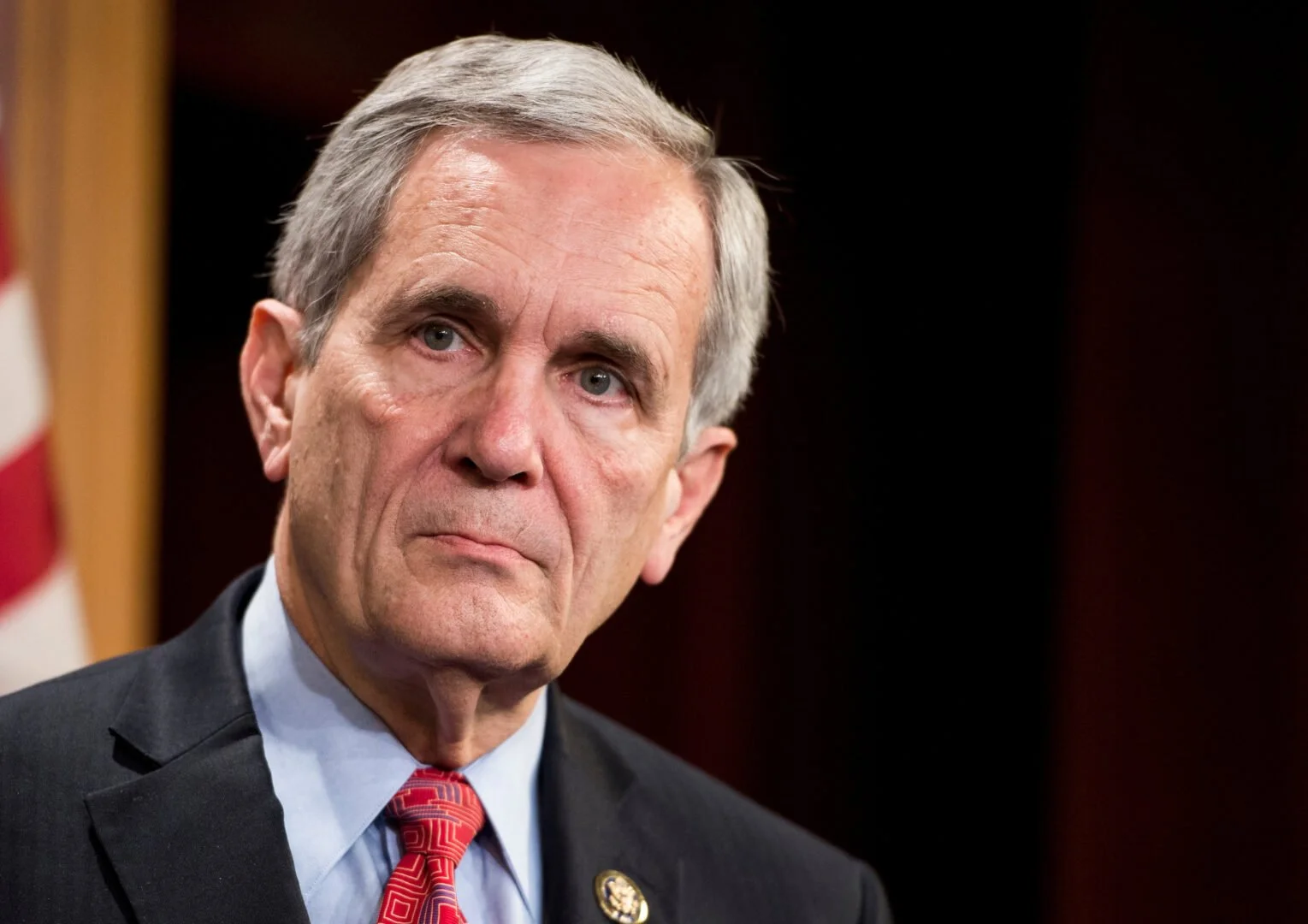
Rep. Lloyd Doggett
H.R. 7094, the No Aid for Russian Energy Act, closes this loophole once and for all.
What H.R. 7094 Does
Introduced on January 15, 2026, the bill would:
Prohibit U.S. persons and companies from exporting, selling, or supplying petroleum equipment, software, or services to anyone in the Russian Federation.
Hold parent companies accountable for the actions of their foreign subsidiaries, ensuring U.S.-owned entities cannot use overseas structures to bypass sanctions.
Apply meaningful penalties under the International Emergency Economic Powers Act for violations.
Preserve narrow humanitarian exceptions, such as for medical and agricultural isotopes derived from petroleum.
In short, if a company is American, or American-controlled, it cannot help Russia pump oil, no matter where its subsidiary is registered.
Why This Matters Right Now
Russia finances its war against Ukraine primarily through energy exports. Every barrel of oil pumped with the help of Western technology translates directly into missiles, drones, and artillery shells aimed at Ukrainian cities.
The urgency is also visible on the ground in Ukraine. Recent reporting has documented a pattern of Russian strikes hitting American-owned facilities in Ukraine, including warehouses tied to Cargill, a Coca-Cola bottling plant, and factories operated by Boeing, Philip Morris, Mondelez, and Flex Ltd.
A mid-April drone attack hit a Cargill grain terminal in southern Ukraine, seven drones in three minutes. Andy Hunder, head of the American Chamber of Commerce in Ukraine, has said the strikes appear aimed at deterring American business from operating in Ukraine.
The contrast is stark: while American businesses operating in Ukraine face direct Russian attacks, American subsidiaries abroad continue to help Russia produce the very oil that funds those attacks. H.R. 7094 helps end that contradiction.
A Bipartisan Coalition Behind the Bill
H.R. 7094 is led by a strong bipartisan group of lawmakers committed to cutting off the financial lifeline of Russia's war.
Sponsor:
🔵 Rep. Lloyd Doggett (D-TX-37)
Original cosponsors (introduced January 15, 2026):
🔴 Rep. Don Bacon (R-NE-2)
🔴 Rep. Gus M. Bilirakis (R-FL-12)
🔵 Rep. Steve Cohen (D-TN-9)
🔴 Rep. Brian K. Fitzpatrick (R-PA-1)
🔵 Rep. Daniel S. Goldman (D-NY-10)
🔴 Rep. Thomas H. Kean (R-NJ-7)
🔵 Del. Eleanor Holmes Norton (D-DC-At Large)
🔵 Rep. Mike Quigley (D-IL-5)
Additional cosponsors who have since joined the effort:
🔵 Rep. Donald G. Davis (D-NC-1) — added 01/22/2026
🔵 Rep. Greg Landsman (D-OH-1) — added 02/02/2026
🔵 Rep. Thomas R. Suozzi (D-NY-3) — added 02/09/2026
🔵 Rep. Josh Gottheimer (D-NJ-5) — added 02/24/2026
🔵 Rep. Julia Brownley (D-CA-26) — added 03/04/2026
🔵 Rep. Brad Sherman (D-CA-32) — added 03/25/2026
The growing list of cosponsors, Republicans and Democrats alike, demonstrates that supporting Ukraine and holding Russia accountable remains a shared American priority.
Sanctions only work when they are enforced without exception. As long as American-owned subsidiaries abroad can keep oiling the Russian war machine, the Kremlin will keep funding its aggression against Ukraine and threatening European security.
H.R. 7094 closes the door on that practice. It strengthens U.S. sanctions, reinforces American leadership, and supports Ukraine's fight for its sovereignty and people.