
H.R. 7506 Explained: Cutting Russia's Oil Revenue
Why H.R. 7506 Matters
More than three and a half years into Russia's full-scale invasion of Ukraine, one uncomfortable truth keeps surfacing in Washington: the war is still affordable for the Kremlin.
Oil and petroleum exports account for the lion's share of Russia's federal budget, and they remain the single largest source of cash funding the missiles, drones, and artillery shells launched at Ukrainian cities every night.
That is the problem H.R. 7506 - the Decreasing Russian Oil Profits Act of 2026, better known as the DROP Act - is built to solve.
What the Bill Actually Does
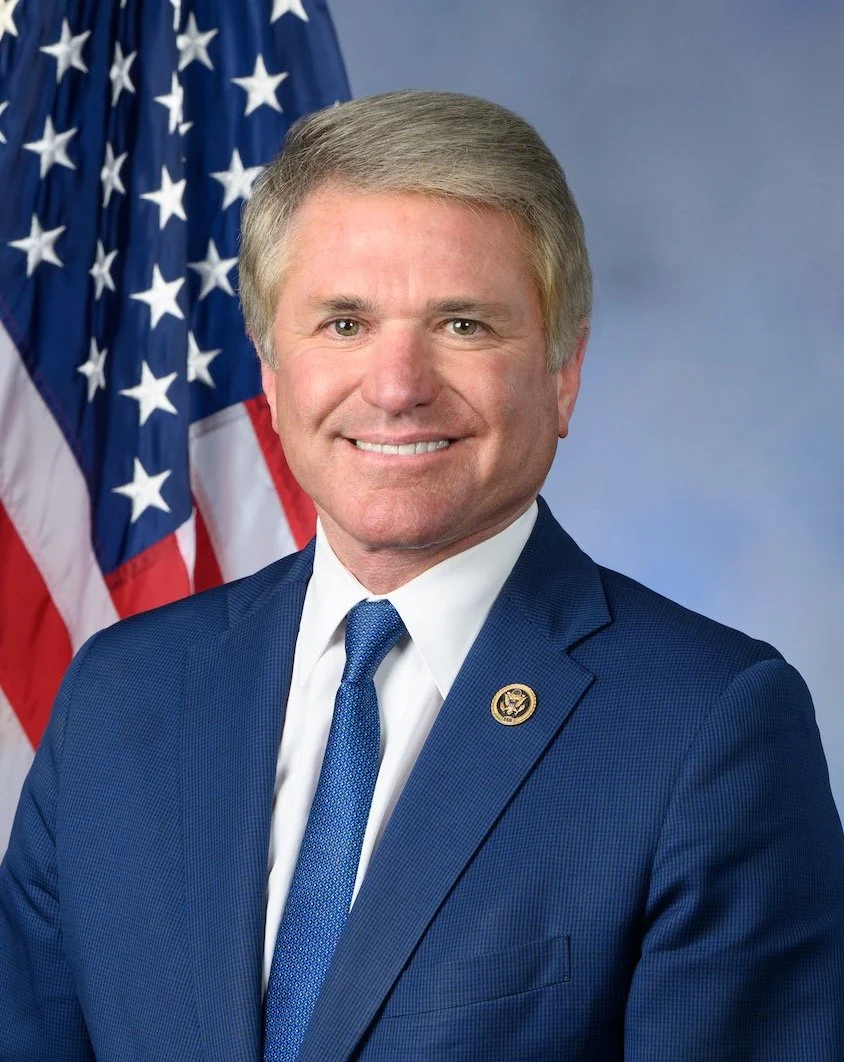
Introduced on February 11, 2026, by Rep. Michael McCaul (R-TX-10), chairman emeritus of the House Foreign Affairs Committee, the DROP Act would require - not merely permit - targeted sanctions on any foreign person or entity that knowingly buys, imports, or helps move Russian-origin crude oil and petroleum products.
In plain terms, the bill would:
Mandate sanctions on third-party buyers and intermediaries who deal in Russian petroleum — not leave it to administrative discretion.
Close the price-cap loophole that has allowed traders to charge above the international limit per barrel of Russian oil, often through opaque shipping arrangements.
Target the "shadow fleet" — the network of aging, off-the-books tankers and shell companies Russia has built specifically to evade existing restrictions.
Reinforce existing designations on Russia's two largest state-linked oil companies.
Preserve strategic flexibility, letting the administration grant exceptions to countries that meaningfully cut their Russian oil imports or provide substantial military and economic aid to Ukraine.
A Bipartisan Coalition
The DROP Act was introduced as a bipartisan bill from day one — a notable fact in a Congress where bipartisanship is rare. Sponsor Rep. McCaul was joined by five original cosponsors from both parties, and a sixth Representative signed on a few weeks later.
Sponsor: 🔴 Rep. Michael T. McCaul (R-TX-10)
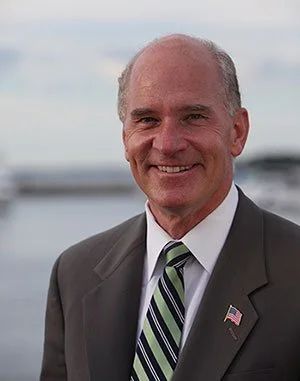
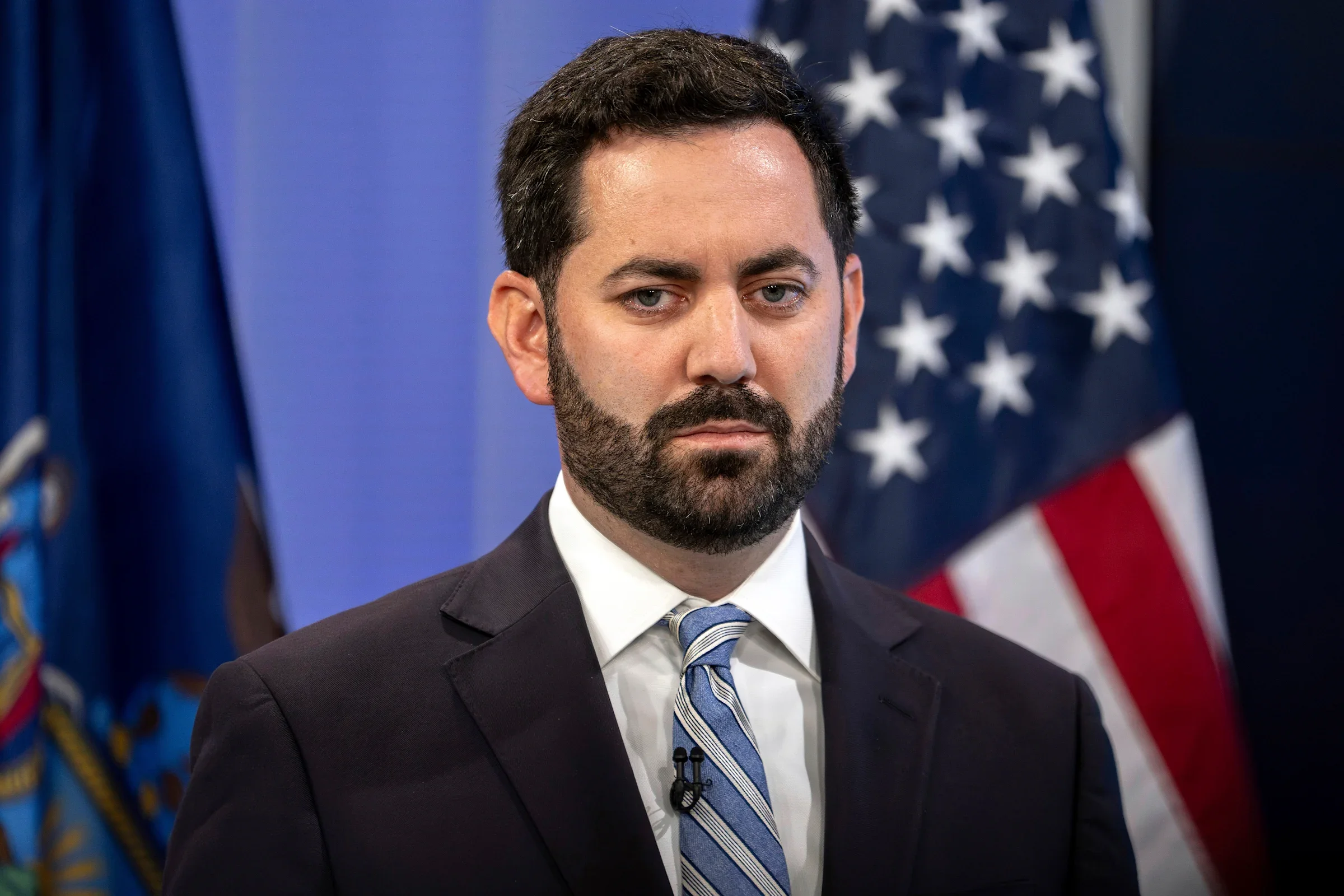
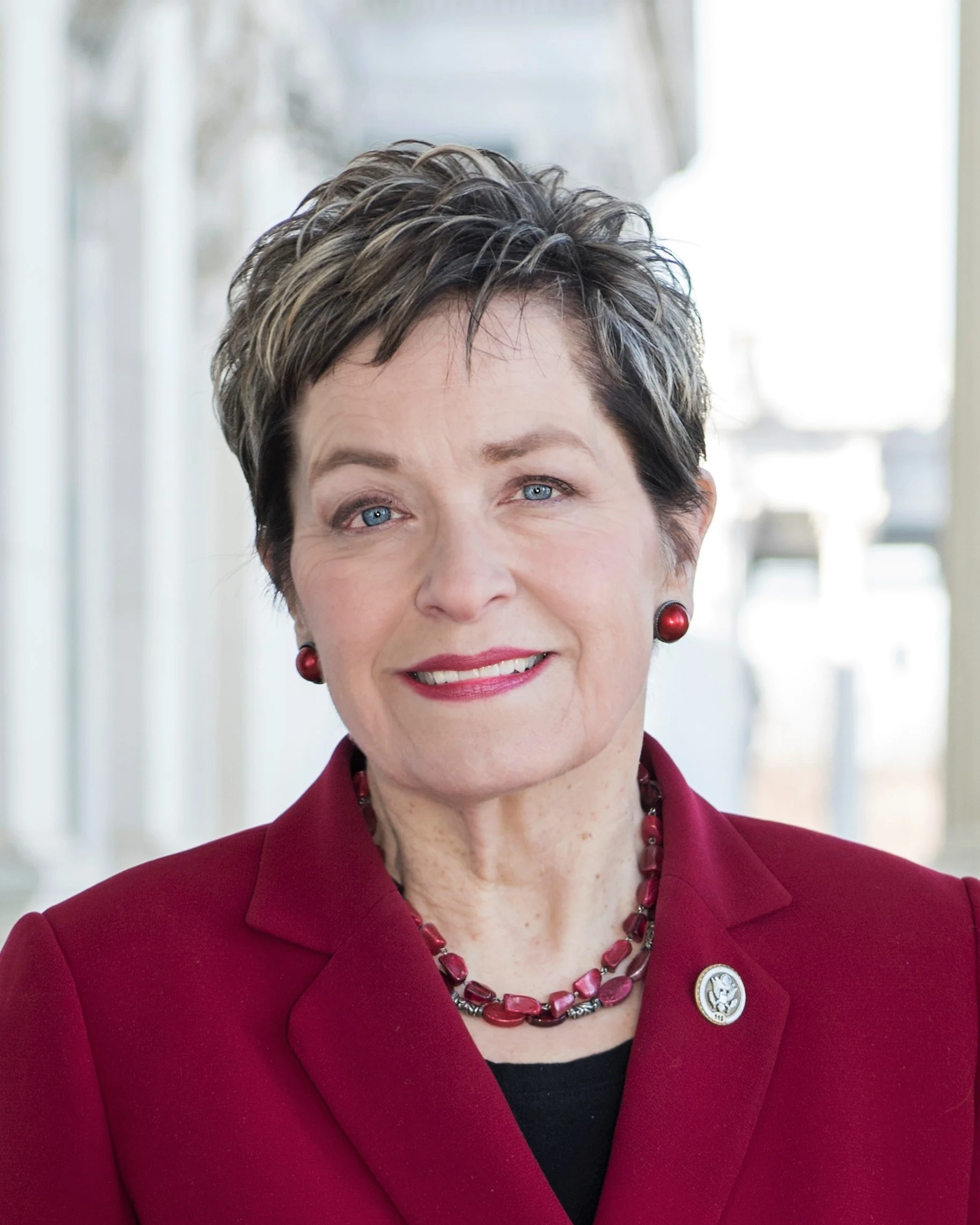
Original cosponsors - joined Feb 11, 2026:
🔵 Rep. William R. Keating (D-MA-9)
🔴 Rep. Michael Lawler (R-NY-17)
🔵 Rep. Marcy Kaptur (D-OH-9)
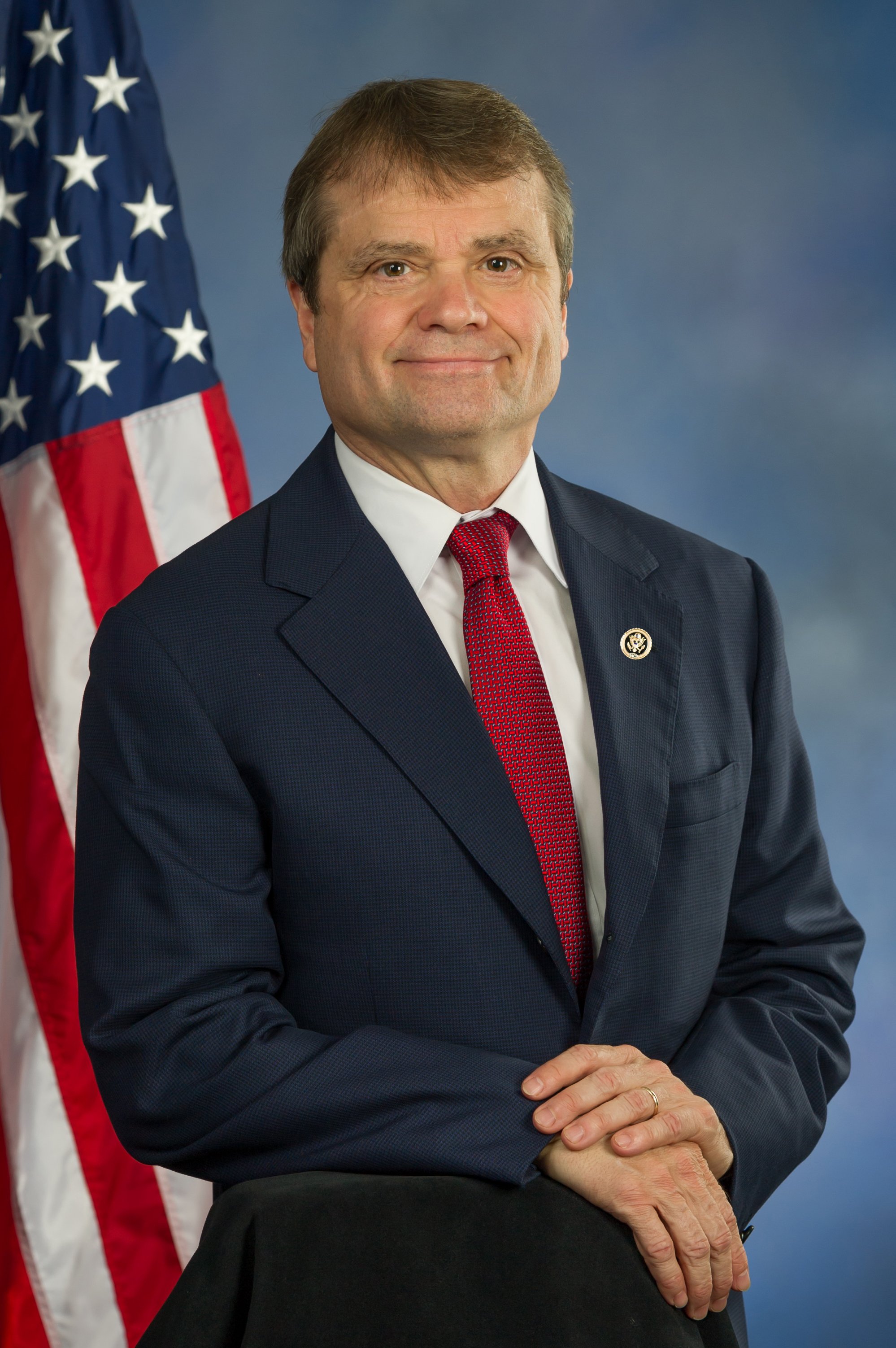
🔵 Rep. Mike Quigley (D-IL-5)
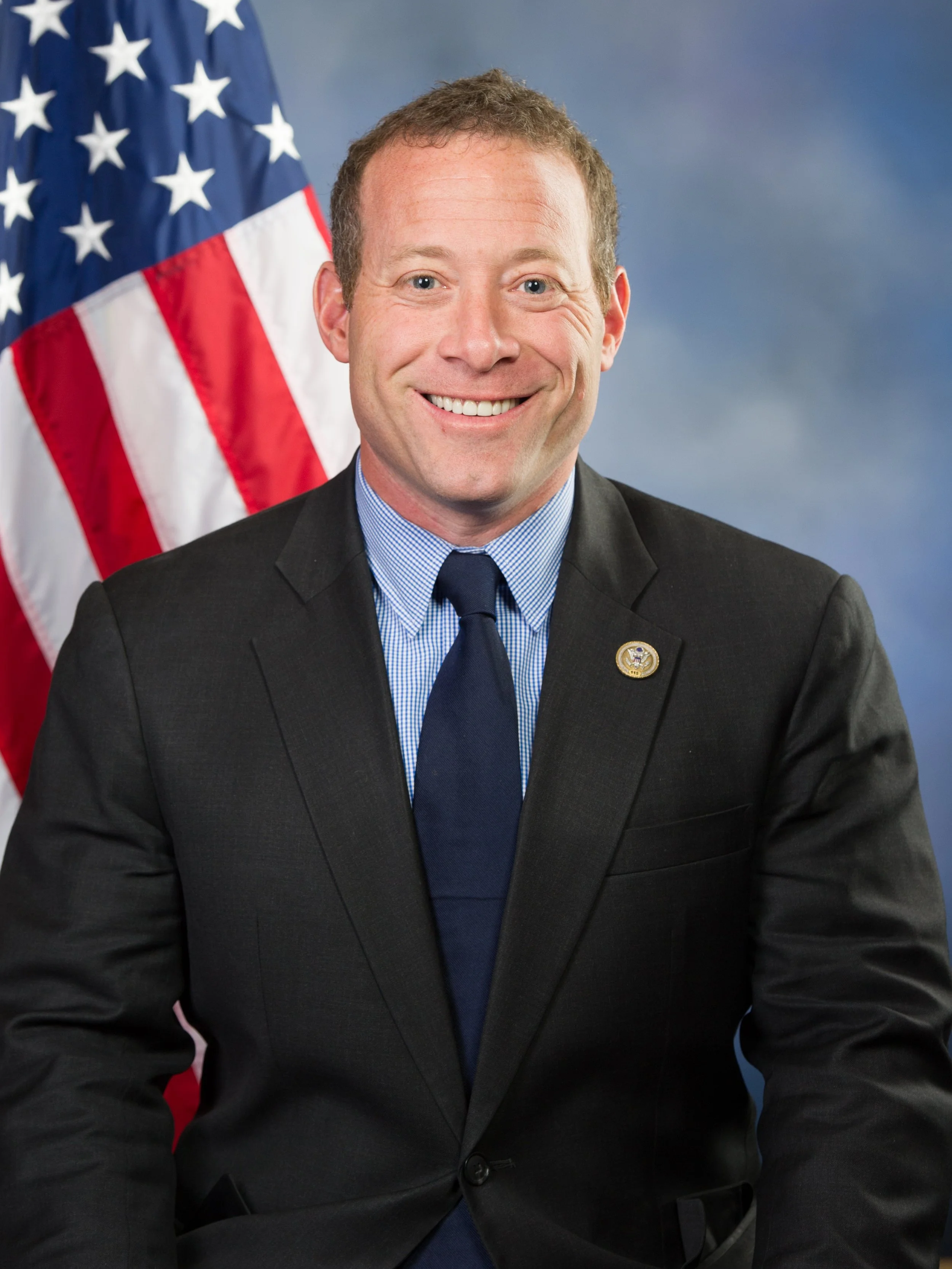
🔵 Rep. Josh Gottheimer (D-NJ-5)
Added cosponsor: 🔵 Rep. Steve Cohen (D-TN-9) — joined Mar 27, 2026
What's at Stake
Every dollar of oil revenue that reaches Moscow is a dollar that can be converted into Shahed drones over Kyiv, into glide bombs over Kharkiv, into ballistic missiles fired at apartment blocks in Dnipro and Odesa. Sanctions cannot win the war on their own — but they can shape the math the Kremlin is doing. When the cost of continuing becomes higher than the cost of stopping, negotiations become real.
H.R. 7506 is currently before the House Committee on Foreign Affairs. For the bill to advance, Representatives need to hear from constituents that this is a priority. That is the most concrete thing any of us can do this week.
Thank You to the Sponsor and Cosponsors
We are grateful to Rep. Michael McCaul for leading this effort, and to Reps. Keating, Lawler, Kaptur, Quigley, Gottheimer, and Cohen for standing with him. Your willingness to put Ukrainian lives and U.S. national security ahead of partisan calculus is exactly the kind of leadership this moment requires.