
Week of July 24th to 31st — Battlefield Update: Ukraine Aggressively Dismantling Russia’s War Efforts
By Volodymyr Larin, AmUkr Congressional Affairs Intern
Compiled August 2nd, 2026
Russia’s Net Loss of 1 Square Mile
The Kremlin projects an image of an unstoppable advance, but the data increasingly reveals a stalled Spring-Summer 2026 offensive.
An analysis of data from the Institute for the Study of War (ISW) indicates that between June 30 and July 28, 2026, Russia actually saw a net lossof 1 square mile of Ukrainian territory.[1] Russian forces also reportedly suffered the highest casualty rate of 2026 thus far in July, according to the same report.
Here is exactly how Ukraine is shifting the battlefield this week:
Deep Strikes Disabling Russian Supply Chains:
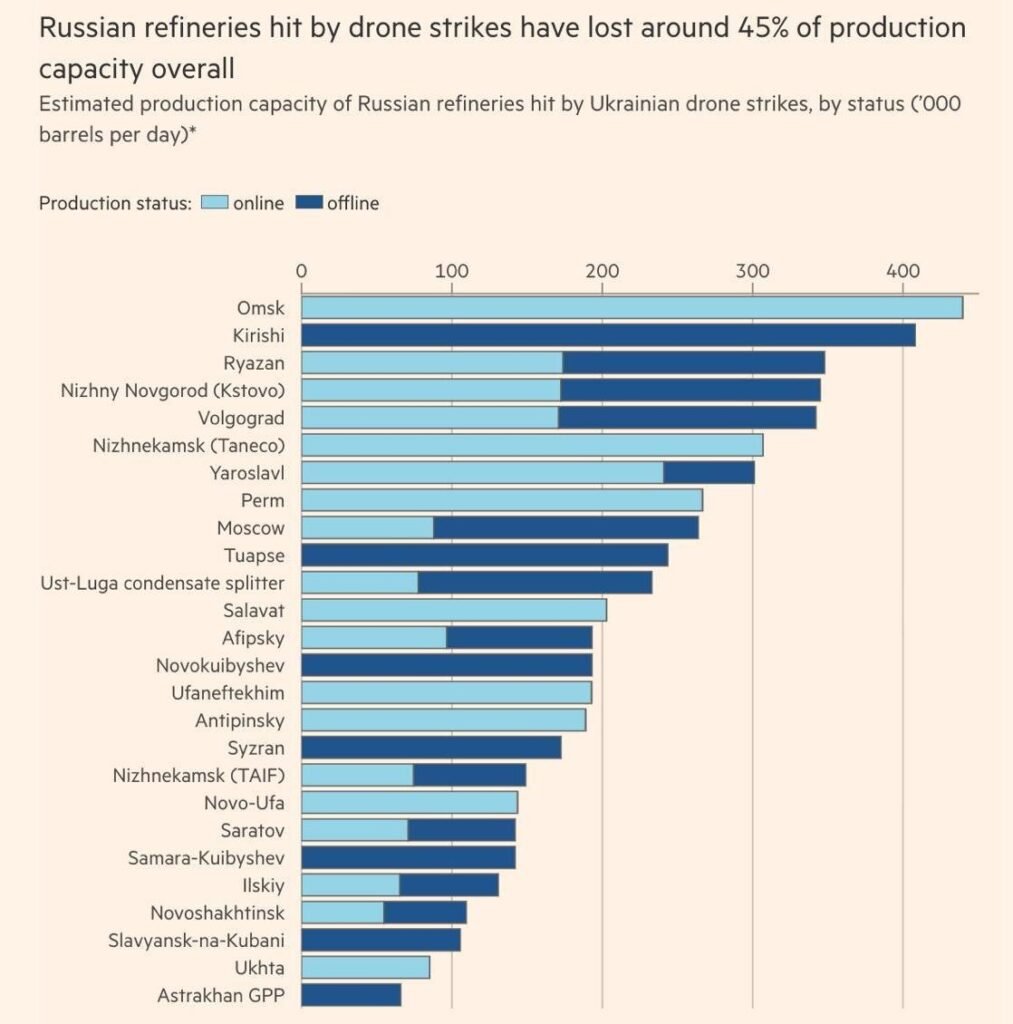
Strikes on Russian Oil Refineries, Now More Regular
The Financial Times reports that Ukrainian drone strikes have now disabled over 45% of Russia’s oil refinery capacity. [2]
The July 29th strike on the Ryazan oil refinery was a critical success this week, directly impacting fuel supplies, as is the July 31st strike on the Lukoil-Volgogradneftepererabotka oil refinery.[3][4]
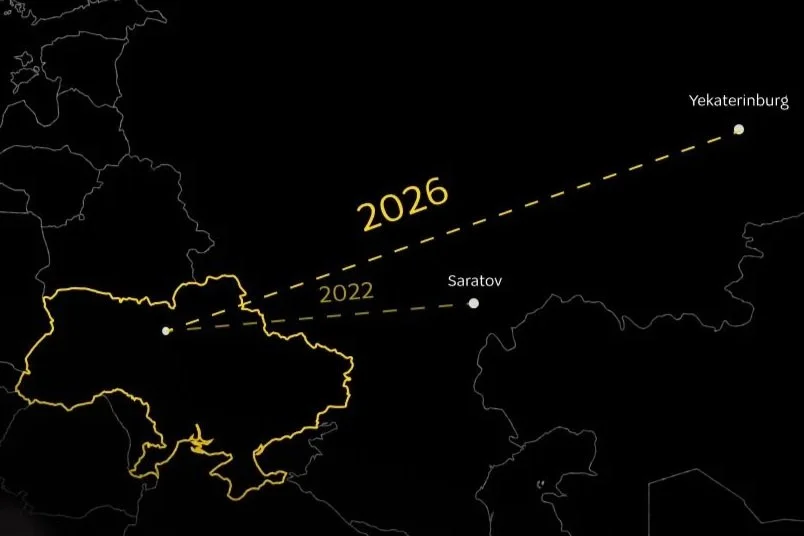
Disrupting Logistics Centers Deep in Russia
Ukraine’s successful drone strikes on the Wildberries logistics centers (Russian Amazon-equivalent) in Ryazan (Jul 29) and Yekaterinburg
(Jul 25), the latter being 1,800 km away from Ukraine, demonstrating ambitious operations into civilian-military supply chains as well.[5][6][7]
Drone Strikes Pause Defense Manufacturing & Exports
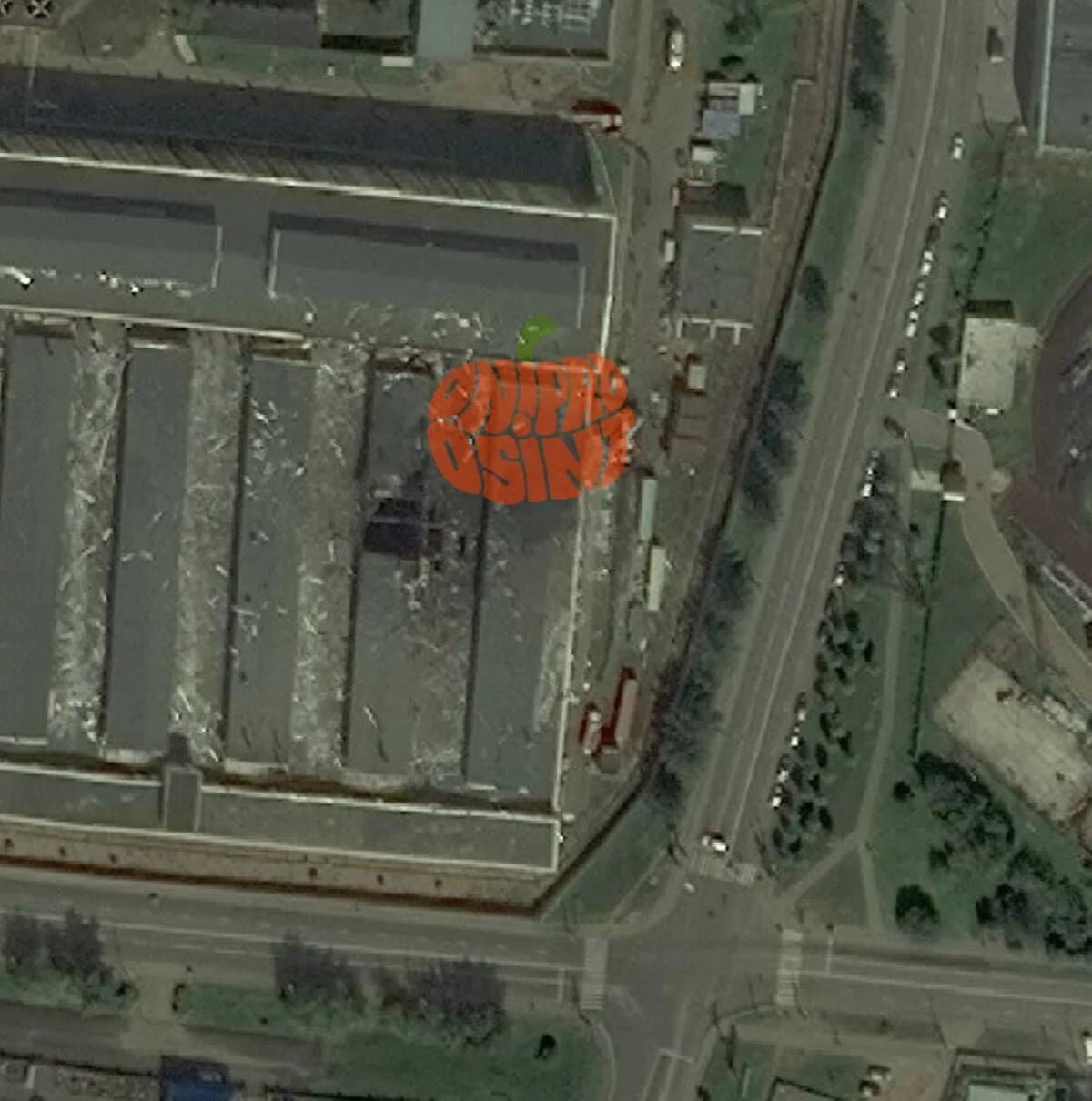
Satellite imagery by Dnipro OSINT confirms the strike (Jul 24) on the Russian Avitek Plant, which produces defense systems.
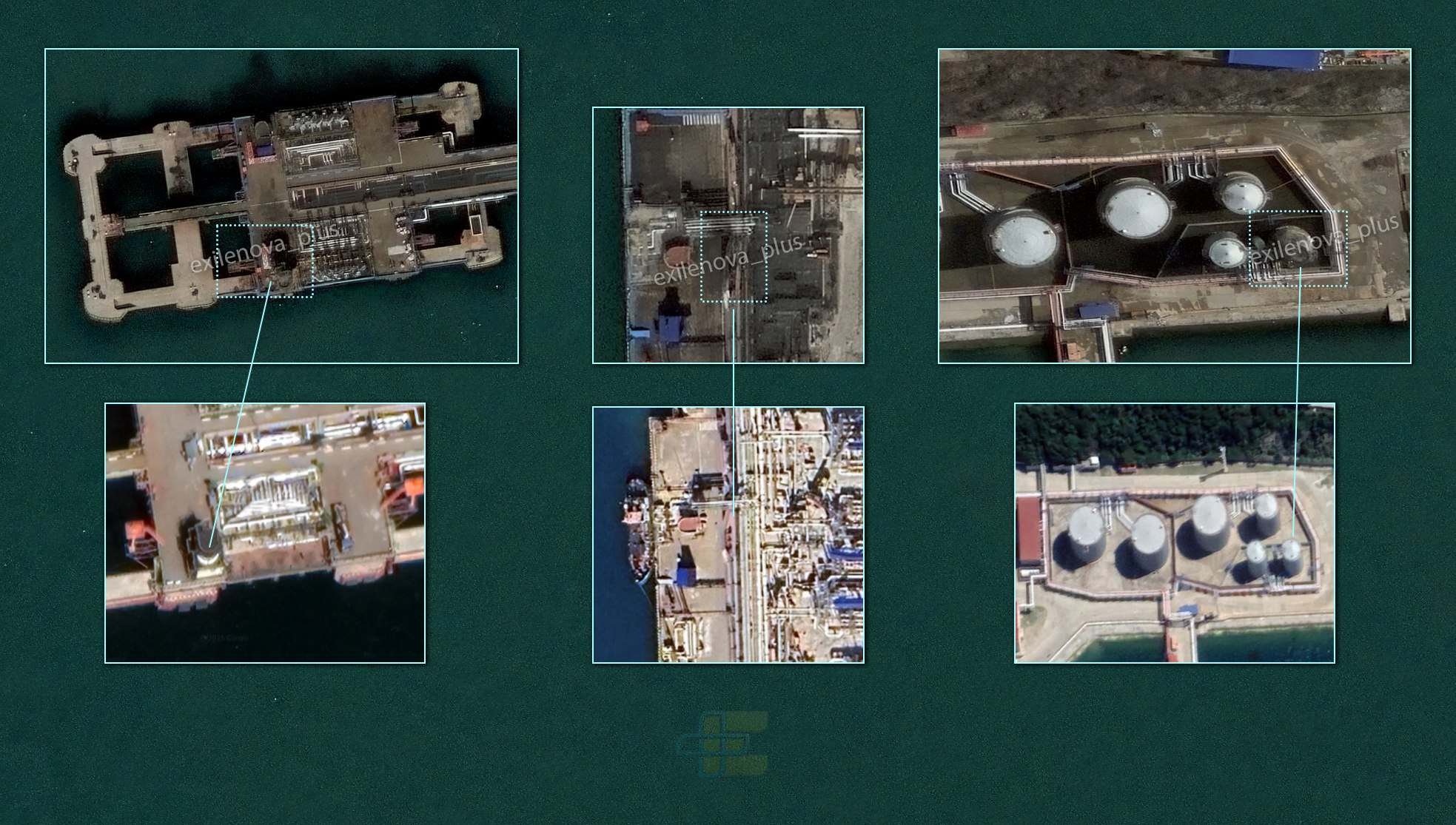
Also, the Ukrainian News Agency have noted (Jul 25) the suspension of operations at the largest oil port in the Black Sea, crippling Russian export capabilities.[8][9]
Co-sponsor and accelerate the passage of the Lindsey Graham Sanctioning Russia and Iran Act of 2026 to starve the Russian military of revenue while they are economically vulnerable.
New Face of Drone Warfare and Command:
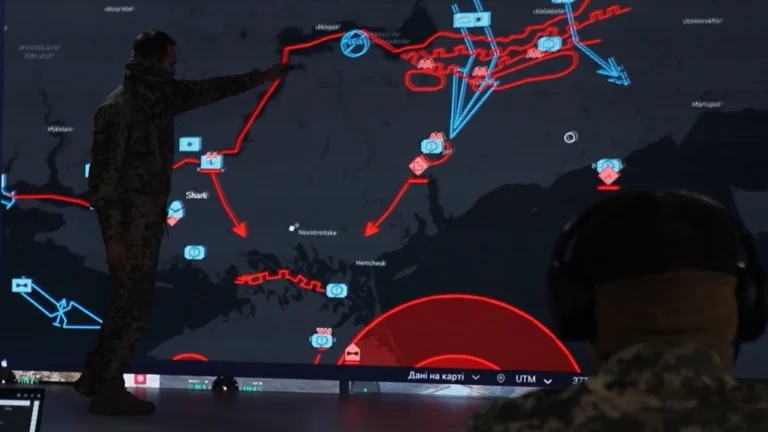
Meet Marichka, Ukraine’s Armed Forces AI System
On July 23rd, head of the Central Research Institute of the Armed Forces of Ukraine presented a new Ukrainian AI-powered battle-command agent, cutting battle planning from half a day to meer minutes.[10]
The system analyzes available data, calculates the balance of combat capabilities, and generates possible courses of action. The commander, however, retains authority over the final decision.
This development demonstrates further technological advancements that will create lessons for future AI-enhanced US strategic planning, as well as those of our allies.

Ukraine's F-Drones Delivers First 2,000 F10 Drones to U.S
This delivery on July 31st, part of the Pentagon's newly launched Drone Dominance Program, proves that Ukrainian battlefield technology now meets U.S. standards, and its continuing leading role in shaping contemporary warfare.[11] It proves a noticeable reversal in military acquisition from UA to the US, rather than the latter.
Strategic Unmanned Systems Partnership Act: Mandates DoD collaboration with Ukraine to co-produce battle-tested Ukrainian unmanned systems (like FPV and Magura naval drones) right here in the U.S.
Ukraine’s Fight Against the Global Threat Matrix:
Russia Aids Iranian Strikes on American Forces
On July 31st, NBC News reported that Russia is providing valuable electronic intel to Iran, citing US and EU officials. Ukraine’s war against Russia is not contained to Eastern European interests.[12] The provided intelligence includes the locations of U.S. military assets such as warships and aircraft, to help Tehran target American forces in the Middle East.

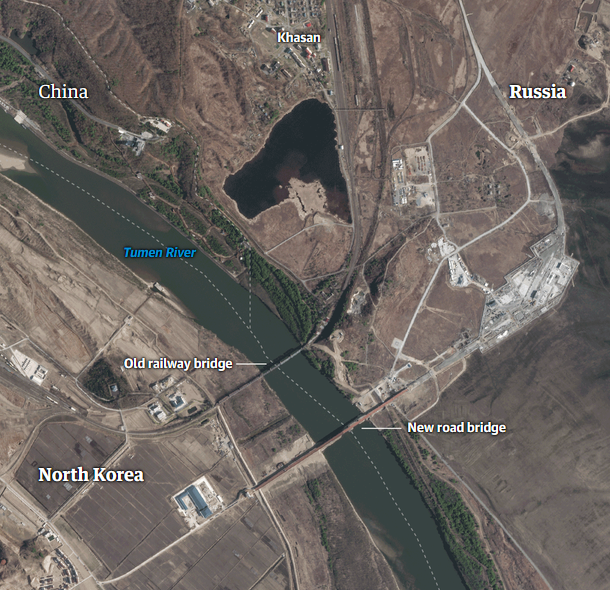
Russia Relies on North Korean Supplies, New Bridge Completion
Deepening logistical ties among these two US adversaries are evident this week in a report by the Guardian on July 27th, as Russia and North Korea finalize a new road bridge over the Tumen River, designed to streamline the movement of troops and munitions for the war in Ukraine.[13]
The Call to Action for Congress:
First, Sanction Russia:
Co-sponsor and accelerate the passage of the Lindsey Graham Sanctioning Russia and Act of 2026 to starve the Russian military of revenue while they are economically vulnerable.
Second, Fund U.S.-Ukraine Cooperation:
Let Ukraine's technological prowess shine for the benefit of global security.
Strategic Unmanned Systems Partnership Act: Mandates DoD collaboration with Ukraine to co-produce battle-tested Ukrainian unmanned systems (like FPV and Magura naval drones) right here in the U.S.
Already took action? Take it again — repeated voices are what move a bill to the floor.
Please reach out to our team at AmUkrPAC to discuss co-sponsoring these vital initiatives today.
Sources:
[1] Russia Matters: The Russia-Ukraine War Report Card, July 29, 2026
[2] Militarnyi: Ukrainian Drones Disabled Over 30% of Russian Oil Refinery Capacity — FT
[3] New Voice of Ukraine: Wildberries warehouse and oil refinery in Ryazan engulfed in flames following drone strikes
[4] Institute for the Study of War: Russian Offensive Campaign Assessment, July 31, 2026
[5] Militarnyi: Russian Marketplace Wildberries Removes “Everything for SVO” Tag After Drone Attacks
[6] New Voice of Ukraine: Wildberries warehouse and oil refinery in Ryazan engulfed in flames following drone strikes
[7] Militarnyi: Drones Attacked Wildberries Warehouse in Yekaterinburg, 1,800 km From Ukraine
[8] Militarnyi: Satellite Images Confirm Successful Strike on Russian Avitek Plant
[9] Ukrainian News Agency: Russia's largest oil port on Black Sea halts tanker loading due to drone attacks - media reports
[10] United24 Media: Meet Marichka: Ukraine’s AI That Cuts Battle Planning From Half a Day to Minutes
[11] Militarnyi: Ukraine’s F-Drones Delivers First 2,000 F10 Drones to U.S.
[12] NBC News: Russia is sharing valuable electronic intel with Iran, officials say, as U.S. war drags on
[13] The Guardian: Russia and North Korea finalising first road crossing amid concerns it serves as Ukraine war supply route
