
Three Strikes Near Moscow: How Ukraine Is Straining Russia's Defense
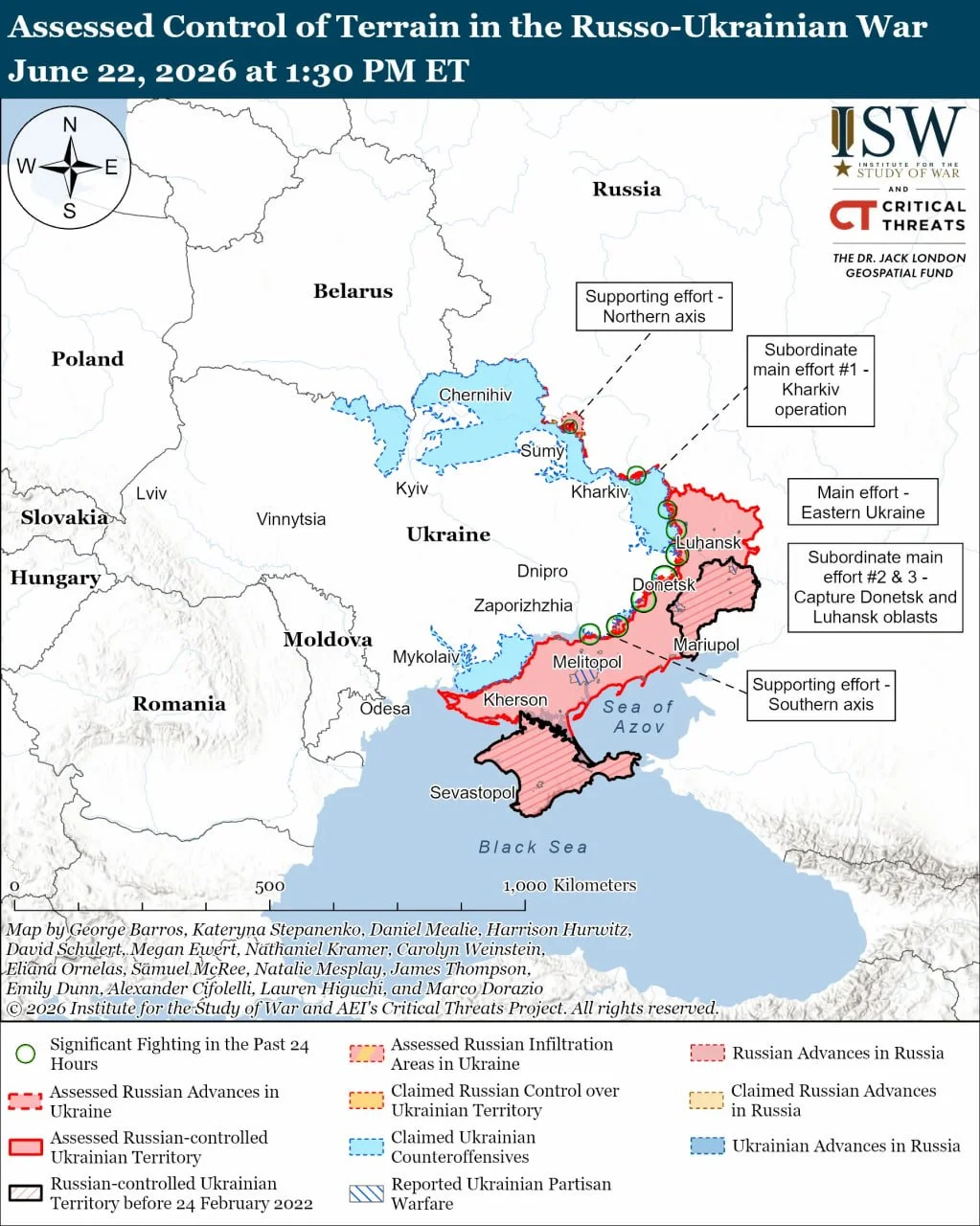
Over the past week, Ukrainian forces have struck the Moscow region three times, including a June 22 hit on the Dubna Space Communications Center — a major satellite ground hub located approximately 540 kilometers from the front lines.
This sustained campaign against Russia's deep rear is not an isolated series of operations.
It reflects a deliberate, expanding strategic approach: imposing cumulative pressure across multiple domains simultaneously — air defense, energy, logistics, and defense industry — while Russia struggles to respond to all of them at once.
Three Strikes in One Week — Moscow's Rear Is No Longer Untouched
Ukrainian forces conducted their third strike against the Moscow region in seven days on the night of June 21–22, targeting a satellite communications facility in Dubna, Moscow Oblast.
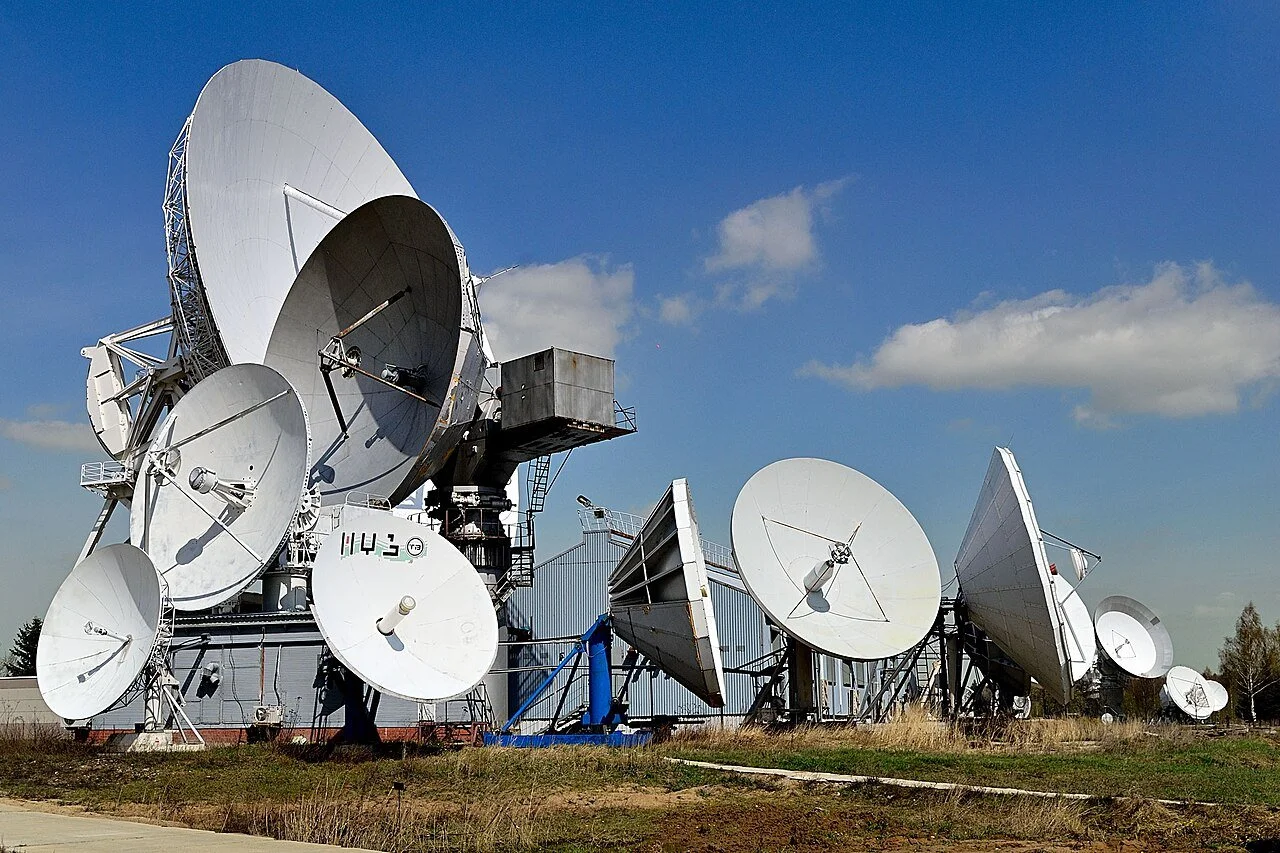
The center is a key node in Russia's satellite-ground communications network, linking satellites to domestic and international terrestrial infrastructure.
This followed two earlier strikes against the Moscow Oil Refinery on June 15–16 and June 17–18. Taken together, these operations establish a pattern: Ukraine has the capability and willingness to strike targets deep within Russian territory on a sustained, repeated basis. The Moscow area, long considered beyond operational reach, is no longer a protected zone.
Russia Is Pulling Air Defense Systems Away from the Front
To counter Ukraine's intensifying strike campaign, Russian authorities have accelerated efforts to reinforce air defenses around Moscow — including construction of a new S-400 installation west of the capital, identified in satellite imagery from early June 2026. Reports also indicate that a Pantsir air defense system was redeployed from an unspecified frontline area to protect the Moscow Oil Refinery.
The redeployed system arrived with only two of its standard six launch missiles loaded on one side — a detail that suggests Russia may be experiencing shortages of interceptor munitions across multiple system types. Separately, Western reporting has indicated that Russia is running low on S-300 air defense missiles, with sanctions limiting access to key components needed for production and maintenance.
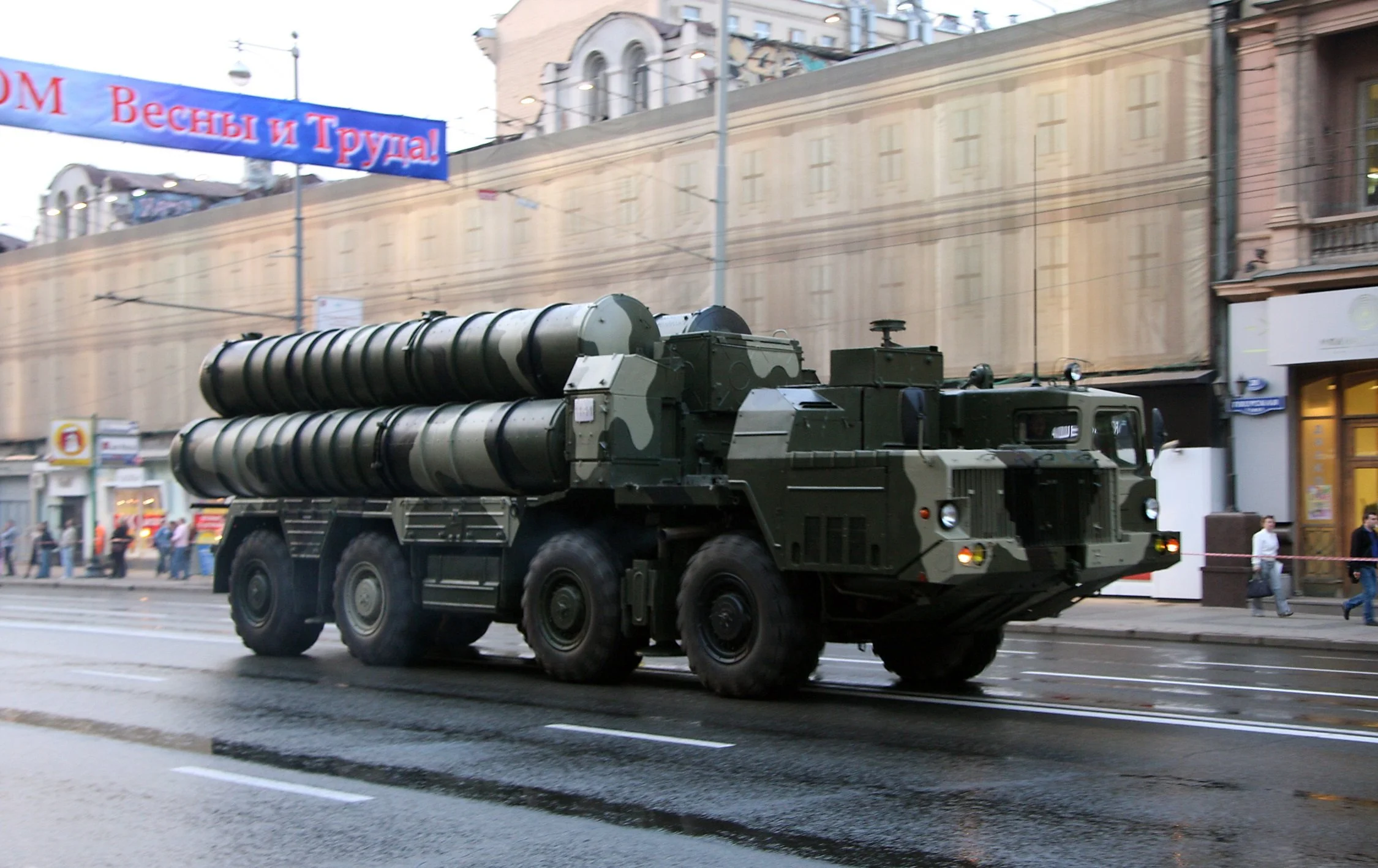
S-300 missile system
This dynamic creates a structural dilemma for Russian planners. Ukraine's strike campaign now covers a geographic area far larger than any single air defense network can realistically protect. Every asset moved to cover Moscow is an asset no longer available on the front lines — and every radar disabled in Ukraine's ongoing suppression campaign compounds Russia's ability to defend either location effectively.
Ukraine's Strike Range Is Now Measured in Thousands of Kilometers
Ukrainian President Zelensky confirmed on June 21 that Ukraine's new Fire Point drone systems have already struck targets at a depth of 2,070 kilometers, with further development expected to push that range to 3,000 kilometers. This trajectory represents a significant qualitative shift in Ukraine's long-range strike capability.
The numbers on intermediate-range strikes are equally notable.
According to open-source analysis of geolocated strike data, Ukrainian forces conducted more than 210 confirmed intermediate-range strikes in occupied Ukraine in May 2026 alone, and at least 145 in the first three weeks of June. These strikes are targeting truck convoys, rail junctions, highway corridors, and logistics hubs that supply Russian forces across the occupied south and east.
Fuel Shortages Are Now a Measurable Problem for Russia
Ukraine's sustained pressure on Russian oil refining and logistics infrastructure since March 2026 is producing real economic effects.
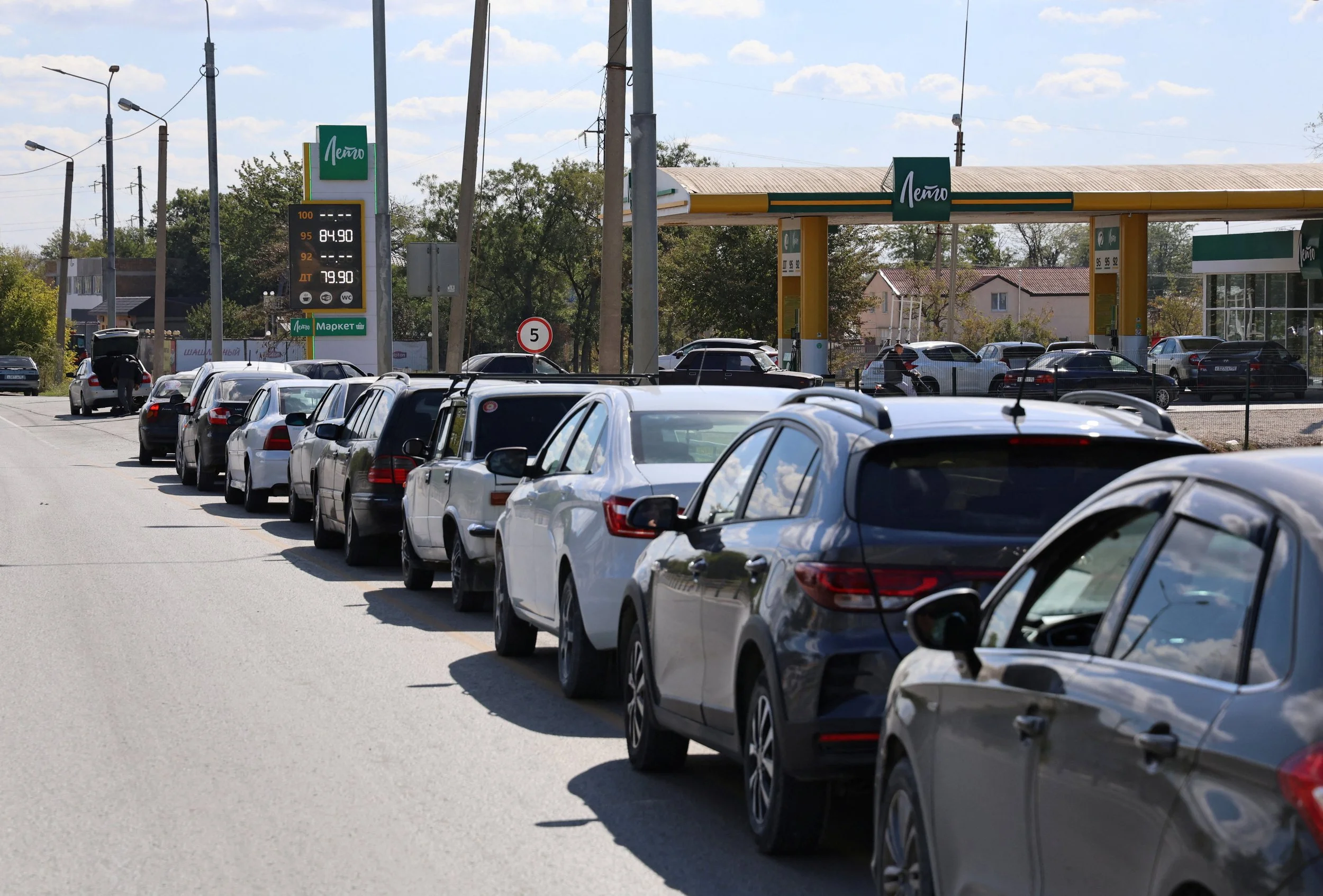
Gasoline shortages have spread across multiple Russian regions and occupied territories, and Russian authorities have introduced restrictions on fuel purchases while encouraging civilians to reduce private travel.
Occupied Crimea is experiencing particularly acute disruption. Authorities there have suspended fuel sales to non-state entities, halted ferry operations, and temporarily closed the Kerch Strait Bridge — measures that reflect both the direct impact of Ukrainian strikes and the logistical fragility of the peninsula's supply lines.
Children's summer camps across Crimea have been suspended until September, an indication of how broadly the disruptions are affecting civilian life in the occupied territory.
Russian authorities have acknowledged rising fuel prices and are coordinating with oil companies to manage the shortfall. One proposed response — a shift to smaller, distributed refining facilities — has been assessed internally as insufficient to meet domestic demand. This is not a temporary inconvenience. It is a growing structural constraint on Russia's ability to sustain frontline operations.
Ukraine Struck the Facility That Builds Russia's Missiles and Air Defenses
On June 22, Ukrainian forces struck a defense industrial facility in Voronezh City that produces components for Russia's Kh-101 cruise missiles, Iskander-K cruise missiles, and Pantsir-S1 air defense systems. Local authorities confirmed damage to a production facility in the city.
Reports suggest Ukraine may have employed long-range precision munitions in the strike, potentially including Extended Range Attack Munitions (ERAMs), which the United States approved for delivery to Ukraine in August 2025 under a Foreign Military Sale of up to 3,350 units. If confirmed, this would mark a significant use of that munition type.
The strategic logic of this strike is compounding: Russia is depleting its air defense interceptor stocks in combat. Now the facility responsible for producing components to replenish those systems is itself under direct threat. This creates pressure at both ends of Russia's military supply chain simultaneously.
What This Campaign Means — and Where Sanctions Come In
Ukraine's coordinated strike strategy is producing measurable results across multiple domains: oil refinery capacity is degraded, logistics routes are disrupted, air defense assets are being redistributed away from the front, and defense industrial output is under threat.
Russia's responses — fuel rationing, bridge closures, frontline asset redeployment — confirm that these strikes are not merely symbolic. They are imposing real operational costs.
Source: Institute for the Study of War (ISW), Russian Offensive Campaign Assessment, June 22, 2026