
Ukraine Is Winning. Will the West Lock In the Gains Before Russia Regroups?
There is rare good news on the Ukraine front.
After more than four years of brutal war, Ukraine is making measurable battlefield gains, holding off Russian advances, and in some areas incrementally reclaiming lost territory. The Trump administration appears to be taking notice.
Following a productive meeting with President Zelensky at the G7 summit in France, President Trump stated plainly that "Russia needs to make a deal" — and signaled openness to reinstating sanctions on Russian oil. Secretary of State Marco Rubio has called Russia's invasion a "strategic disaster." The diplomatic and rhetorical momentum is real.
But a sharp new analysis published by the Hudson Institute raises an urgent question: is the Trump administration's own internal decision-making undermining the very leverage it is trying to build?
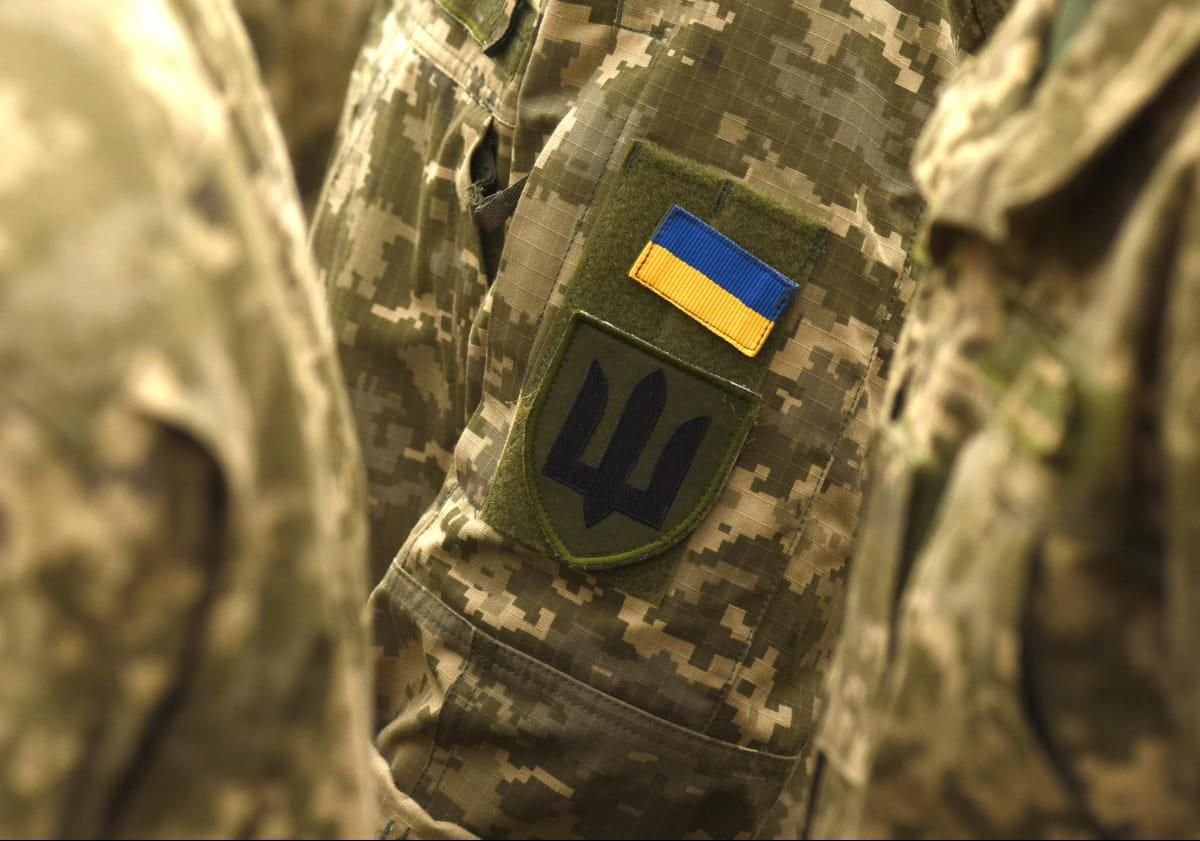
Why Ukraine's momentum is a strategic asset — and a strategic risk
Ukraine's battlefield progress is not just encouraging for Ukrainians. It is strategically valuable for the entire democratic world. A Ukraine that is holding the line, pushing back Russian forces, and demonstrating credible defense capability is an ally that strengthens the deterrence posture of the West as a whole. President Trump, who values strength and decisive action, should recognize Ukraine for exactly what it is right now: a team player that is winning.
But history offers a cautionary pattern.
When Ukraine has gained battlefield momentum in the past, Russia has responded not by conceding at the negotiating table, but by issuing threats against NATO members in an effort to pressure Western allies into slowing or stopping support for Kyiv.
This dynamic played out in 2024, and it is likely to repeat itself as Ukraine continues to advance. The answer to Russian threats is not accommodation, it is credible deterrence.
The contradiction at the heart of U.S. policy
This is where a troubling contradiction has emerged within the Trump administration's own approach. Even as senior officials speak of Ukraine's importance and the need for Russia to negotiate, the Pentagon has moved in a different direction.
Reports indicate that the U.S. is significantly reducing the number of strategic bombers, fighter jets, drones, submarines, and warships dedicated to NATO operations. The administration also moved to withdraw 5,000 troops from Germany and canceled a planned rotational brigade in Romania — decisions that drew immediate pushback from Republican chairmen of both the House and Senate Armed Services Committees.
These moves risk sending exactly the wrong signal at exactly the wrong moment. A U.S. that appears to be quietly stepping back from its NATO commitments does not pressure Russia toward a deal — it encourages Moscow to hold out, threaten more, and bet that Western unity will eventually fracture.
NATO's strength is the fastest path to a ceasefire
The counterintuitive truth is that a strong U.S. commitment to NATO is not an obstacle to peace — it is the most direct path toward it. When Russia calculates that threatening NATO carries prohibitive costs, the incentive to escalate diminishes. When Putin understands that U.S. deterrence remains firm and that European allies will continue supplying Ukraine without fear of being left exposed, the conditions for a genuine ceasefire become more achievable, not less.
The Hudson Institute analysis makes this case clearly: a credible U.S. commitment to NATO may be the single most effective diplomatic tool available to bring Russia to a genuine settlement. It would represent a meaningful achievement for President Trump — peace through strength, exactly as he has long advocated.
The link between Europe and Asia
There is a broader strategic dimension that deserves attention. Deterrence is not compartmentalized. A failure to deter Russian aggression in Europe does not stay contained to Europe — it sends a signal to every revisionist power watching from the sidelines.
The risk that China might seize a moment of opportunity in the Pacific is measurably higher if deterrence fails in Europe first. Strengthening Ukraine and reinforcing NATO is therefore not just about this war — it is about the global security architecture for the decade ahead.
What needs to happen now
The path forward is not complicated, even if it requires political will. U.S. troop levels in Europe should be maintained, with a strategic shift toward NATO's eastern front — Poland, Romania, and the Baltic states — where the deterrence need is greatest.
Long-range strike capabilities that were set to be deployed should not be canceled under pressure from Russian threats; canceling them without securing Russian concessions is not restraint, it is unilateral concession. And with the 2026 NATO Summit approaching, President Trump has an opportunity to affirm, clearly and publicly, that U.S. commitment to the alliance is not conditional, not negotiable, and not diminishing.
Ukraine is advancing. The momentum is real.
The question now is whether the United States will lock in those gains with the kind of strategic commitment that turns battlefield progress into lasting peace — or whether internal contradictions will hand Russia the breathing room it needs to regroup, rearm, and wait.
The choice is consequential. And the time to make it is now.
📌 Contact your Representative today and urge support for H.R. 1601, the Defending Ukraine's Territorial Integrity Act — a clear signal that the United States stands firmly behind Ukraine's sovereignty and the principle that borders cannot be changed by force.
Source: Hudson Institute