
Make Russia Pay: Senators Push to Use Frozen Assets for Ukraine's Defense
A bipartisan group of six U.S. Senators has introduced legislation that could fundamentally change how Ukraine is funded on the battlefield — and who pays for it.
The Seized Assets for Battlefield Equipment and Readiness (SABER) Act, introduced on June 18, would allow confiscated Russian sovereign assets to be used directly for purchasing military equipment for Ukraine. The message embedded in the bill is as simple as it is powerful: Russia should pay for the war it started.
The Senators Behind the Bill
The legislation was introduced by a notably bipartisan coalition:
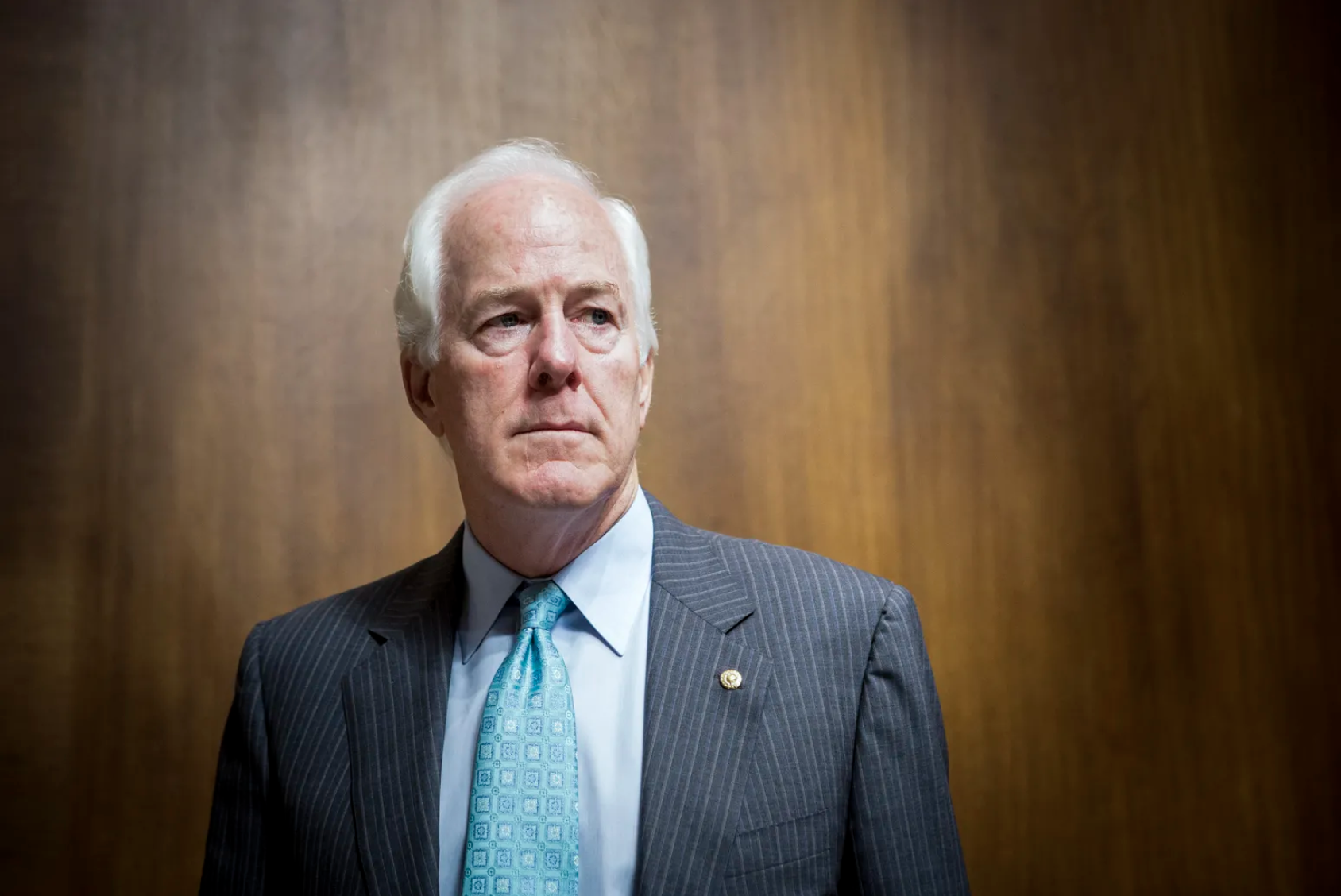
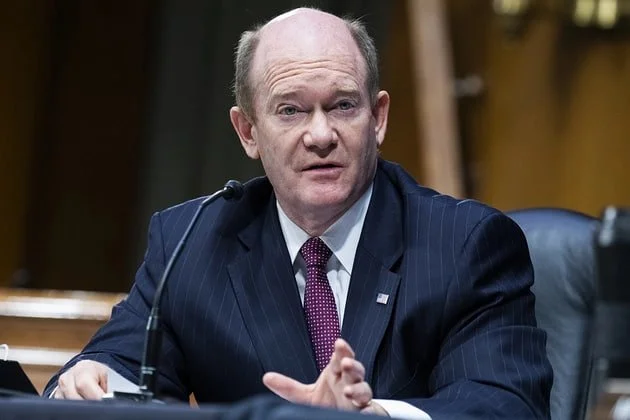
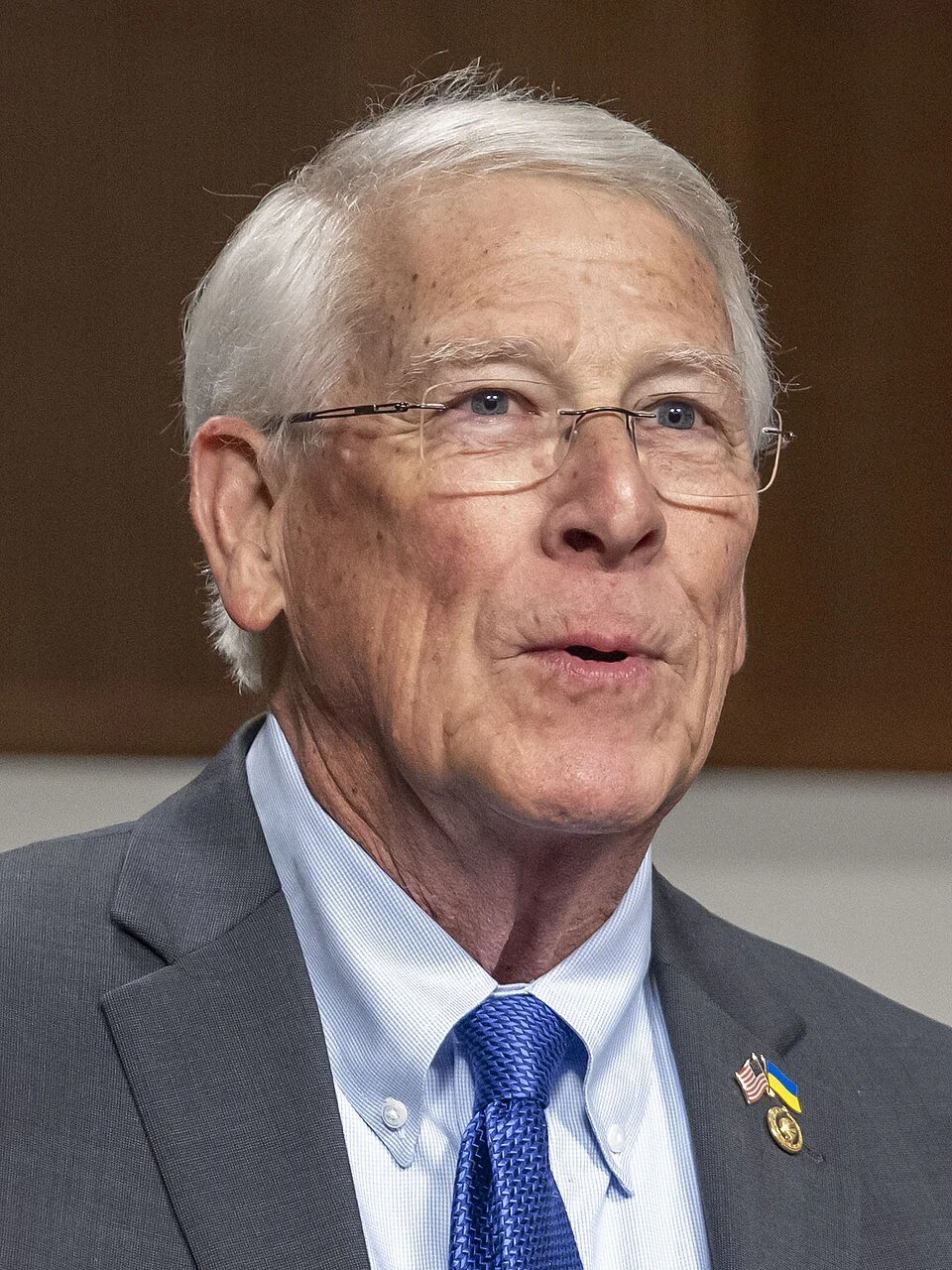
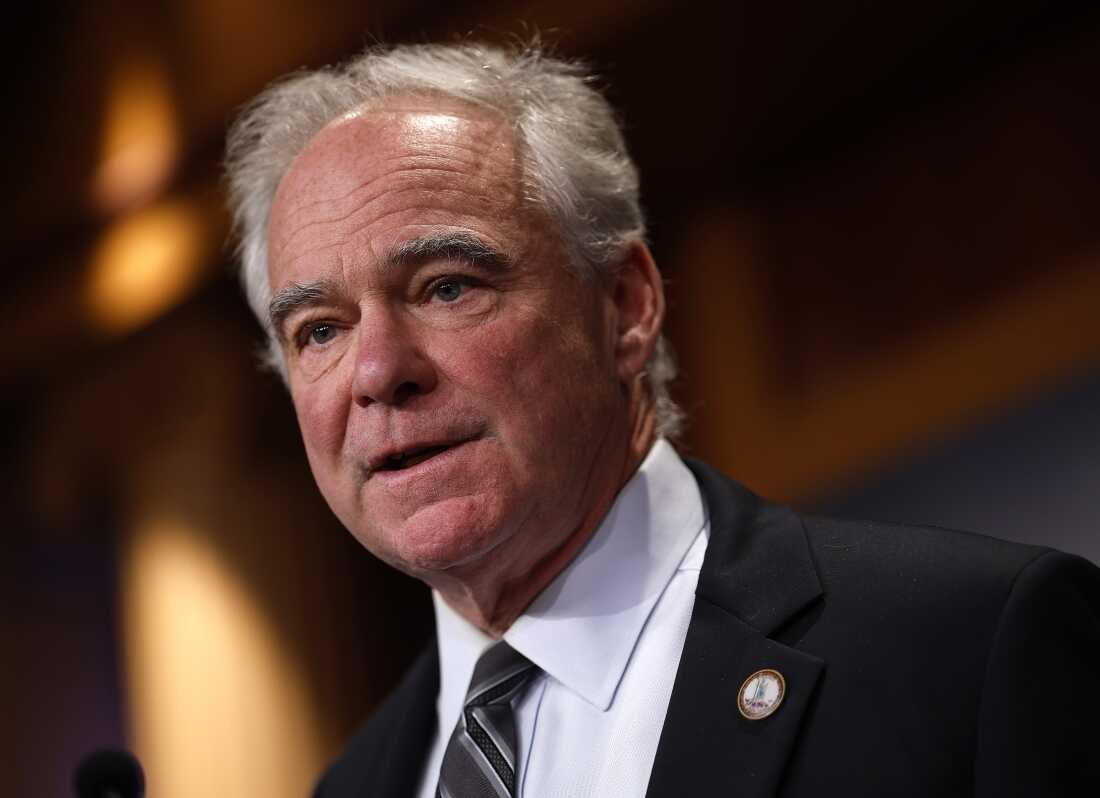
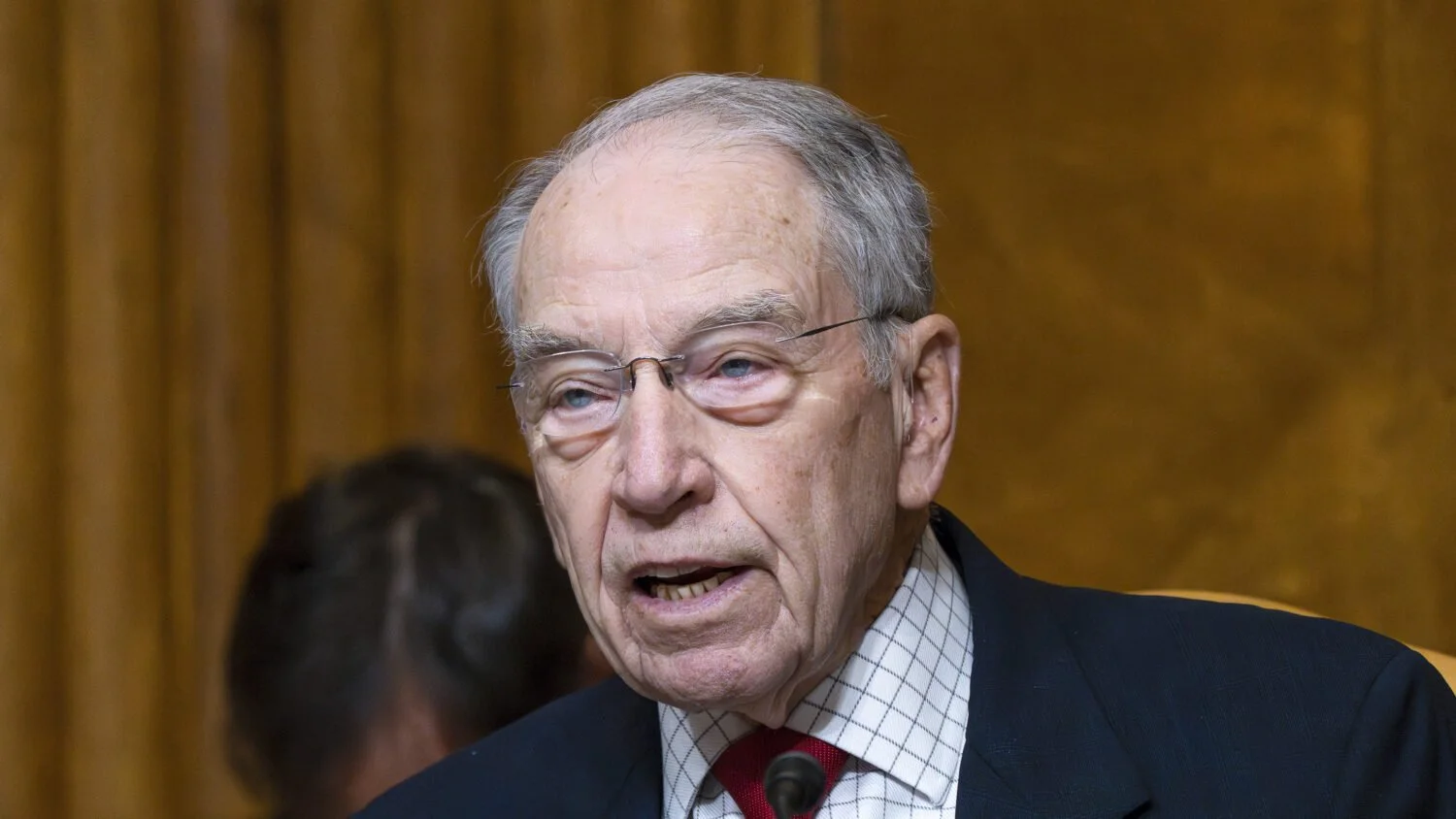
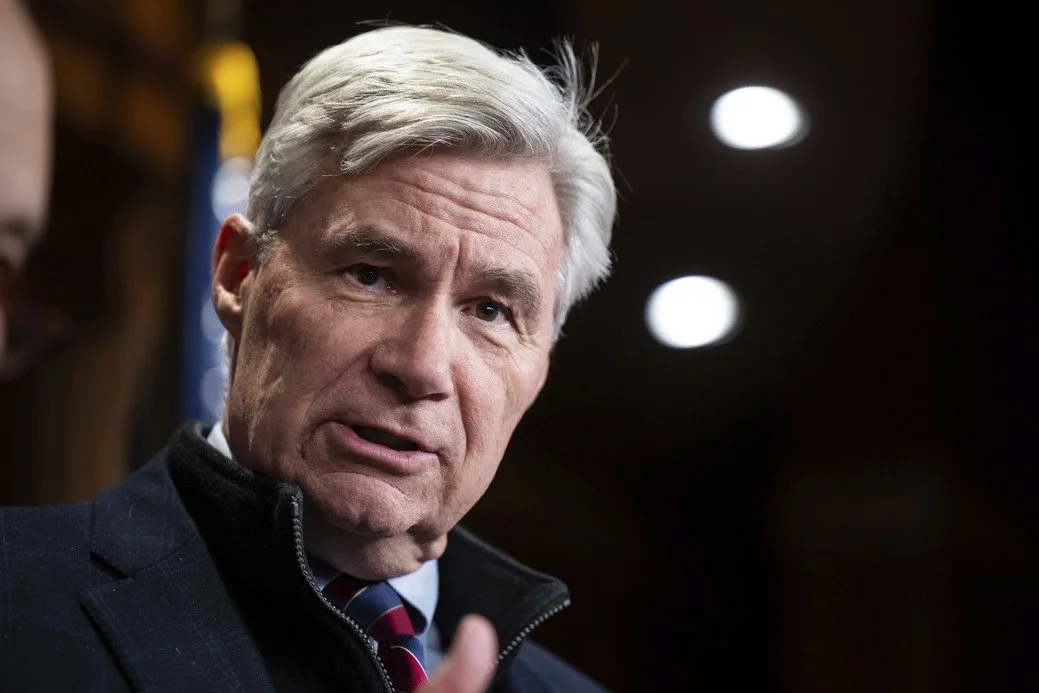
🔴 Sen. John Cornyn (R-TX)
🔵 Sen. Chris Coons (D-DE)
🔴 Sen. Roger Wicker (R-MS)
🔵 Sen. Tim Kaine (D-VA)
🔴 Sen. Chuck Grassley (R-IA)
🔵 Sen. Sheldon Whitehouse (D-RI)
Companion legislation in the U.S. House of Representatives is being led by 🔴 Rep. Joe Wilson (SC-02).
The fact that this bill crosses party lines is itself significant. On an issue as politically charged as Ukraine aid, a bipartisan coalition signals that support for Ukraine's defense remains grounded in shared strategic interest rather than partisan calculation.
What the SABER Act does
The bill builds directly on the Rebuilding Economic Prosperity and Opportunity for Ukrainians (REPO) Act, which is already law. Under the REPO Act, frozen Russian sovereign assets held under U.S. jurisdiction can be confiscated and transferred to Ukraine — but only for reconstruction, humanitarian aid, and contributions to international compensation mechanisms.
The SABER Act adds one critical new permissible use: allowing those same seized assets to be used for the purchase of defense articles and services, so that Ukraine can better respond to and recover from Russian aggression on the battlefield.
In practical terms, this means that the hundreds of billions of dollars in frozen Russian sovereign funds — assets immobilized precisely because of Moscow's illegal invasion — could be channeled directly into the weapons and equipment Ukraine needs to defend itself.
Why this matters
The strategic logic here is compelling on multiple levels.
First, it directly addresses one of the most persistent political objections to Ukraine aid: the cost to American taxpayers. As Sen. Grassley noted, this support for Ukraine "comes at no cost to the American taxpayer." The funds in question already exist, already belong to a sanctioned aggressor, and are already frozen. Redirecting them toward Ukraine's defense is not an expenditure — it is a reallocation of resources that Russia forfeited through its own illegal actions.
Second, it imposes a concrete consequence on Russia. Every dollar of seized Russian sovereign assets used to arm Ukraine is a dollar that Moscow cannot use to rebuild, to purchase influence, or to fund future aggression. It reinforces the principle that aggression has real and lasting costs — and that those costs will be borne by the aggressor, not by the countries standing with Ukraine.
Third, it strengthens Ukraine's long-term position both on the battlefield and at the negotiating table. A Ukraine that is well-equipped, funded in part by Russia's own frozen wealth, is a Ukraine that enters any future peace process from a position of strength rather than dependence.
The Broader Picture
The SABER Act does not exist in isolation.
It comes at a moment when G7 leaders, including President Trump, have committed to increasing pressure on Russia's war economy and strengthening sanctions on Russia's oil and gas sectors.
It arrives alongside Ukraine's most significant drone offensive on Moscow to date, and amid renewed diplomatic momentum around a potential ceasefire. In each of these contexts, the underlying principle is the same: peace built on strength, not on concession.
Making Russia bear the financial cost of arming Ukraine against its own invasion is not just smart policy — it is justice.