
What's next? Putin Says No to Peace Talks as Russia Strikes Kyiv's Lavra
This week brought significant developments in Washington, on the diplomatic stage, and in the ongoing effort to enforce sanctions against Russia — even as Ukraine endured another large-scale Russian attack on its capital.
G7 Summit: Zelensky and Trump Meet as Moscow Declines Peace Talks
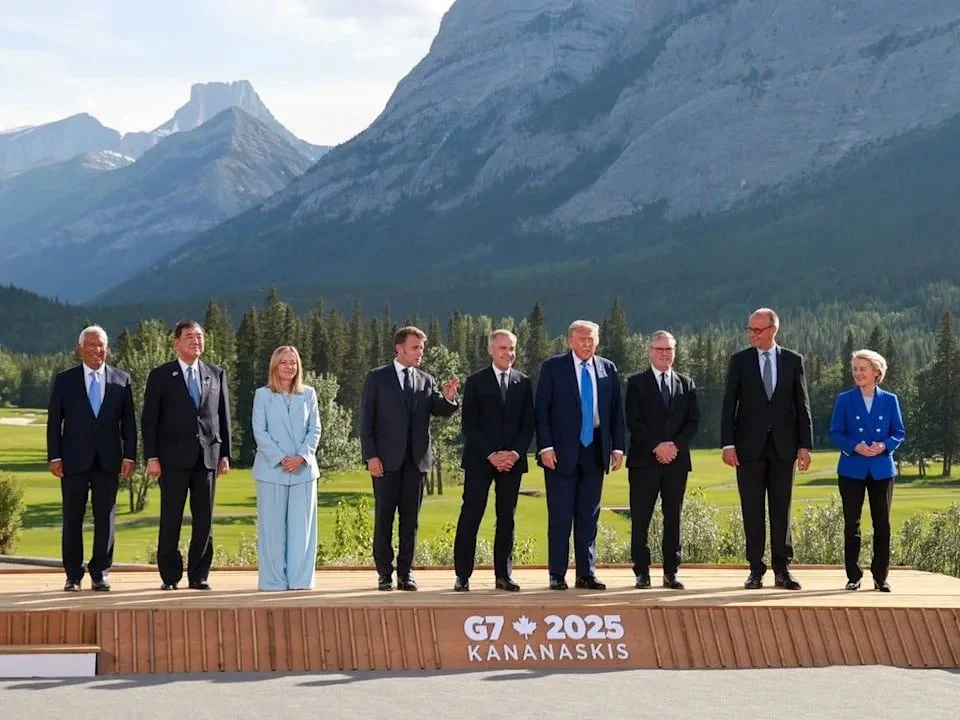
President Volodymyr Zelensky joined G7 leaders this week at their summit in Évian-les-Bains, France, where he is meeting with President Trump amid renewed discussion on ending Russia's war.
Zelensky said he had proposed a high-level meeting with Russian President Vladimir Putin on the sidelines of the summit to discuss a path to peace — an offer that Moscow did not take up. Zelensky subsequently proposed holding talks with Putin in the United States instead.
The diplomatic activity follows phone calls on June 14 between President Trump and both President Zelensky and President Putin, in which the war in Ukraine was discussed ahead of the summit. The American Ukraine Committee welcomes continued U.S. engagement in the search for a peace that secures Ukraine's sovereignty and long-term security.
Russian Strike Damages Historic Kyiv Monastery
Overnight on June 14-15, Russia carried out a large-scale attack on Kyiv and Kharkiv, firing hundreds of drones and dozens of missiles. The assault came after President Zelensky and President Putin each spoke separately by phone with President Trump earlier that day. Ukrainian officials reported at least eleven people killed nationwide and many more wounded.
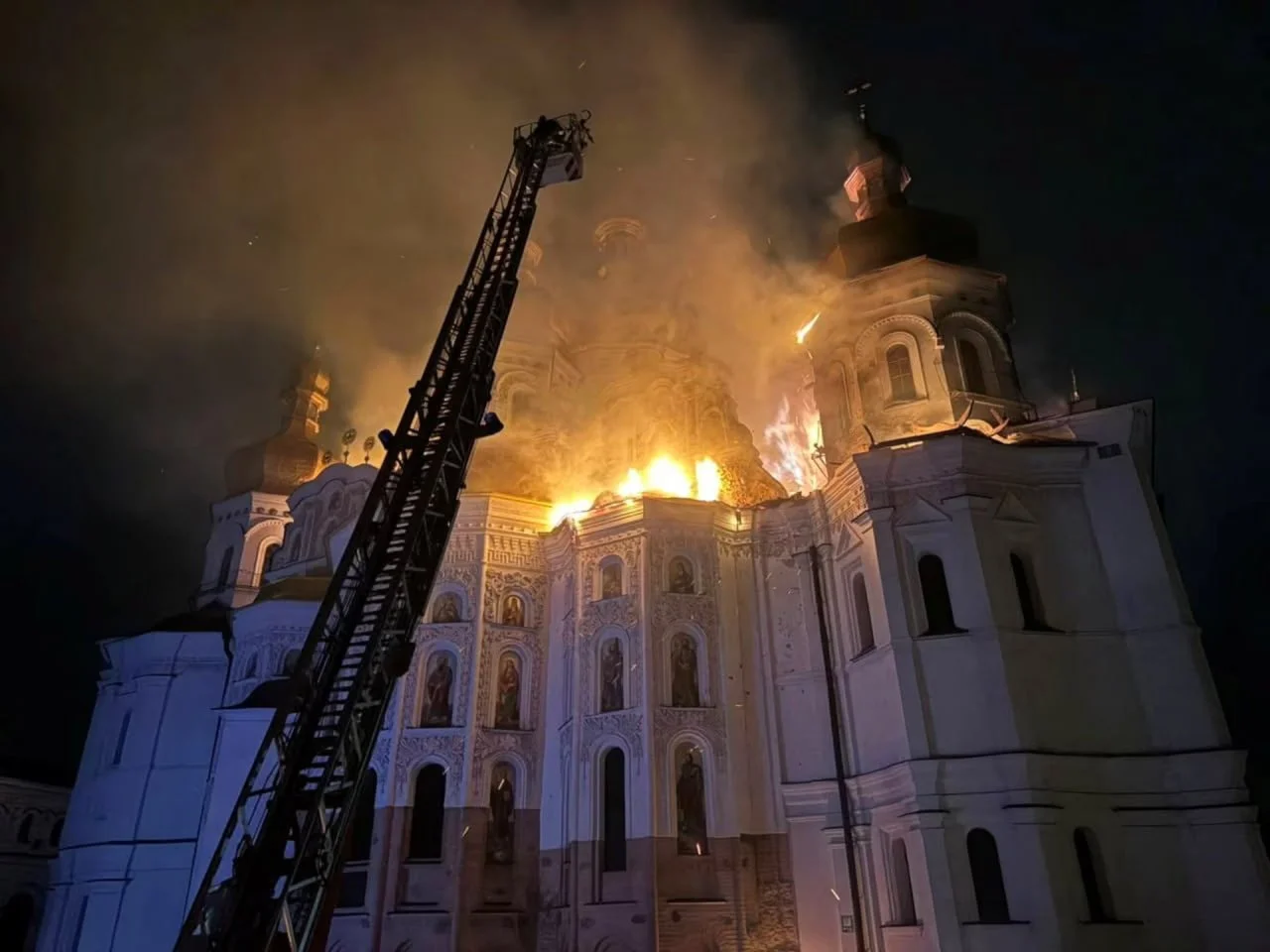
The attack set fire to the Kyiv Pechersk Lavra, an eleventh-century monastery complex and UNESCO World Heritage Site, damaging the roof of the Dormition Cathedral and forcing the evacuation of historic icons and religious artifacts.
The strike drew swift condemnation from European leaders, including French President Emmanuel Macron, and added urgency to discussions on ending the war at this week's G7 summit.
Allies Tighten Enforcement Against Russia's "Shadow Fleet"
British forces intercepted and boarded a sanctioned Russian "shadow fleet" oil tanker in the English Channel on June 14, in what the UK Ministry of Defence described as its first such operation.
Royal Marine Commandos and officers from the National Crime Agency boarded the vessel, the Smyrtos, with support from Royal Navy ships and aircraft. According to the Ministry, the UK has now sanctioned nearly 600 vessels linked to the shadow fleet, and Russian oil revenues have fallen 27 percent from their October 2024 levels — the lowest point since the war began.
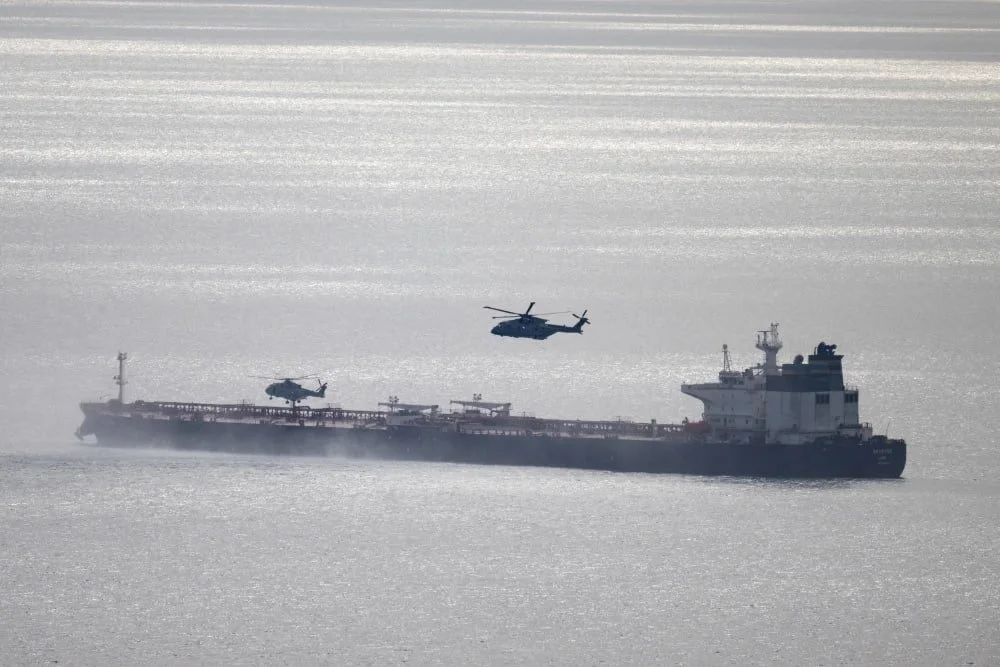
Russia's shadow fleet, estimated at more than 700 vessels, is believed to carry roughly three-quarters of the country's sanctioned oil exports, providing critical revenue for its war effort.
The American Ukraine Committee continues to urge Congress to support the strongest possible enforcement of sanctions on Russia's energy sector.
The Bigger Picture
This week's developments reflect the strength of the transatlantic coalition supporting Ukraine: continued legislative action in Congress, sustained American diplomatic engagement, and intensified allied enforcement against the networks financing Russia's war.
As Ukraine continues to face Russian attacks on its people and cultural heritage, this coalition's unity remains essential to securing a just and lasting peace.
TAKE ACTION:
Maintain Strong Sanctions on Russia's Oil Sector
Sanctions on Russian oil are working: they allow Russian oil to remain on global markets while forcing Moscow to sell at a steep discount, reducing the revenue available to fund the Kremlin's war. Weakening these measures now would hand Russia a financial windfall and strengthen its ability to continue its aggression against Ukraine.
Contact your members of Congress today and urge them to:
Oppose any effort to weaken or lift oil-sector sanctions on Russia
Support continued enforcement of the G7+ oil price cap
Strengthen efforts to crack down on Russia's sanctions evasion networks and shadow fleet