
A Historic Vote for Ukraine in the House
What Happened
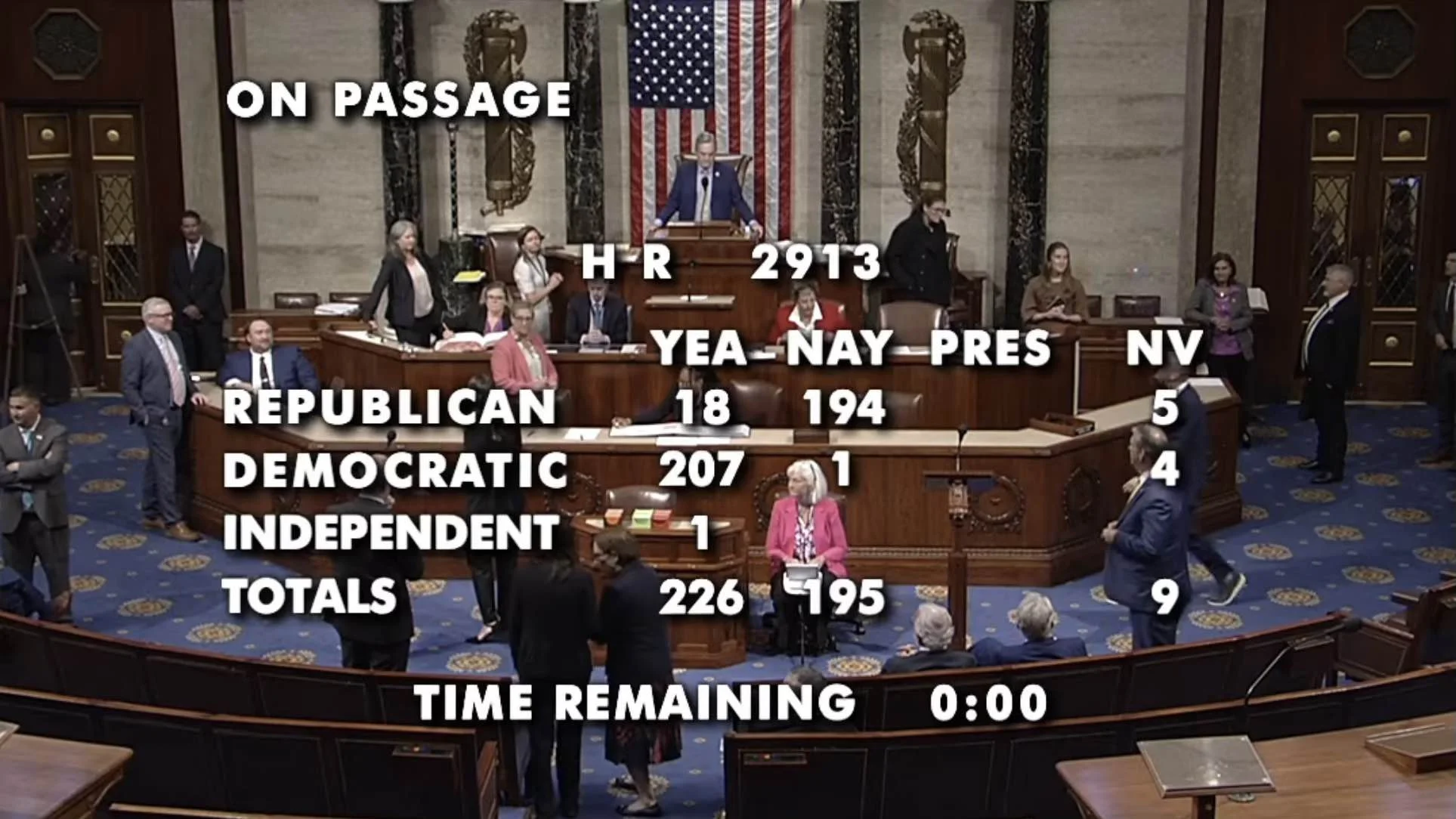
On Thursday, June 4, 2026, the U.S. House of Representatives passed the Ukraine Support Act (H.R. 2913) by a vote of 226–195. After more than a year of effort, a long-sought package of security assistance for Ukraine and new sanctions on Russia has cleared its first chamber of Congress.
This is a milestone worth pausing on. It is the first time a standalone Ukraine aid package has passed either chamber in the current term, and it passed with bipartisan support, as 18 Republicans joined Democrats to send the bill across the finish line.
What the Bill Delivers
H.R. 2913 is a comprehensive package that pairs direct support for Ukraine with stronger pressure on Russia. According to reporting on the bill, it would:
Provide $1.3 billion in security assistance for Ukraine
Expand the suite of sanctions against Moscow
Support Ukraine's reconstruction and recovery
Reinforce cooperation with European and Baltic allies
In short, the bill gives Ukraine more of the tools it needs to defend itself while raising the cost of Russia's continued aggression, the same "help Ukraine, pressure Russia" logic that has guided the strongest pro-Ukraine legislation in this Congress.

Rep. Don Bacon (R-NE-2) "This is our Churchill moment... and by God I'm going to choose Churchill."
Why This Matters
This vote sends a powerful message to allies and adversaries alike that American support for Ukraine runs deeper than any single political moment. Even amid shifting politics in Washington, a bipartisan minority of the House chose to stand with Ukraine.
It also reflects a broader pattern of congressional resolve on national security in recent weeks, including efforts to limit reductions of U.S. troops in Europe. Lawmakers from both parties have made clear they want the United States to remain a reliable partner to Ukraine and to its allies on NATO's eastern flank.
For Ukraine, the vote is both practical and symbolic: practical, because it authorizes real security assistance and tougher sanctions; symbolic, because it demonstrates that Ukraine is not alone.
What Comes Next
The fight is not over. Passing the House is a major step, but the bill must still clear the Senate before it can become law, and that is the next critical battleground.
There is reason for optimism: more than 80 senators have signed on as cosponsors of Russia sanctions legislation, a remarkable show of cross-party support. But the Senate has so far not brought its own package to a vote. That makes this the moment for constituents to speak up and urge the Senate to act.
This is exactly why protecting bipartisan support for Ukraine matters so much right now. The House has shown what's possible when lawmakers from both parties put principle first. The Senate now has the chance to do the same.
The Bottom Line
The House has delivered a historic, bipartisan vote in support of Ukraine, authorizing security assistance, strengthening sanctions on Russia, and proving that support for Ukraine remains a shared American value.
Now the work shifts to the Senate, and the message to every Member of Congress is simple: keep standing with Ukraine.
Contact your Members of Congress and urge them to maintain strong bipartisan support for Ukraine, and to bring this effort across the finish line in the Senate: