
Last Night's NY Primaries — What It Means for Ukraine
NY held primaries last night, and some bad signs emerged for Ukraine.
Ukraine wasn't on the ballot. But foreign policy was.
The Mamdani wave that swept through New York City carried DSA-backed candidates to victory in district after district, driven largely by opposition to U.S. support for Israel. The ideology behind those wins — less intervention, less defense spending, more skepticism of alliances — does not stop at Gaza. This wing of the Dem party is more isolationist and is willing to defect or stop pro-Ukraine policies.
The results:
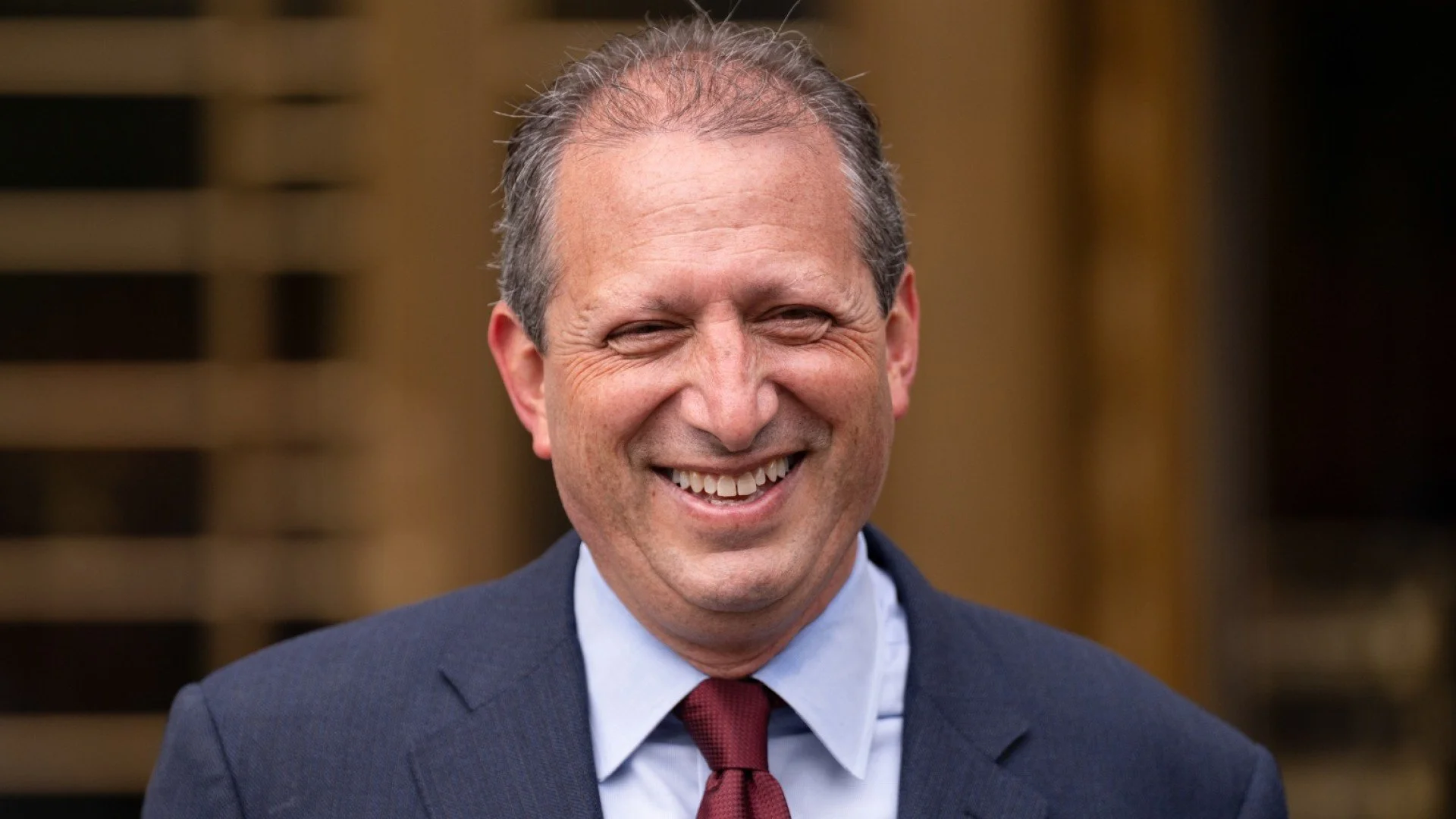
Brad Lander
NY-10:
Brad Lander defeated incumbent Dan Goldman. This one stings. Goldman was one of our strongest allies in the House — he authored NDAA amendments 1106 and 46 to strengthen U.S. commitments to Ukraine. Lander, backed by Mayor Mamdani, Bernie Sanders, and Elizabeth Warren, has shown no such interest.
NY-7:
Claire Valdez, a DSA member backed by Mamdani, defeated Brooklyn Borough President Antonio Reynoso. Reynoso had actively engaged the Ukrainian-American community and stated clear support for continued military aid to Ukraine. His loss removes a potential ally before he ever took office.
NY-13:
Five-term incumbent Adriano Espaillat lost to Darializa Avila Chevalier, another DSA member and Mamdani endorsee.
NY-12:
The one exception. Micah Lasher won in an open seat race where Mamdani sat out — a reminder that the wave isn't unstoppable where it isn't organized. Lasher has stated strong support for Ukraine.
All of these districts are +20 Dem, so the winners here will be going to Washington in November.
Outside New York City, the picture was steadier.
In Maryland, incumbents April McClain Delaney and John Olszewski held off primary challenges without drama. In Utah, Ben McAdams won the Democratic nomination, turning back a Sanders-backed progressive. No surprises — and that's the point.
The DSA wave appears to be a New York City phenomenon for now, not a national one. The Democratic Party's left flank is consolidating around a foreign policy skeptical of NATO, hostile to defense funding, and unwilling to confront authoritarianism. That is a direct threat to Ukraine's standing in Washington.