
Military Update | Week of August 17-22
Can Ukraine's Tech Edge Offset Russia's Missile War?
North Korea's Deepening Footprint
Ukraine's military intelligence (GUR) has reported a fresh wave of North Korean personnel supporting Russia's war effort. According to GUR Deputy Head Major General Vadym Skibitskyi, some 8,500 newly deployed North Korean troops are operating mostly in Russia's Kursk Oblast.
Notably, they include a roughly 400-strong drone unit whose operators are capable of surveilling and striking targets across the border in Ukraine.
Ukrainian intelligence assesses that these troops are meant to reinforce Russia's rear areas and free up Russian manpower for front-line operations, rather than fight inside Ukraine directly. But the scale is growing: by GUR's count, around 25,000 North Korean soldiers have now been rotated through Russian service, and Moscow may seek up to 50,000 more in the months ahead.
Ukraine's Technological Answer
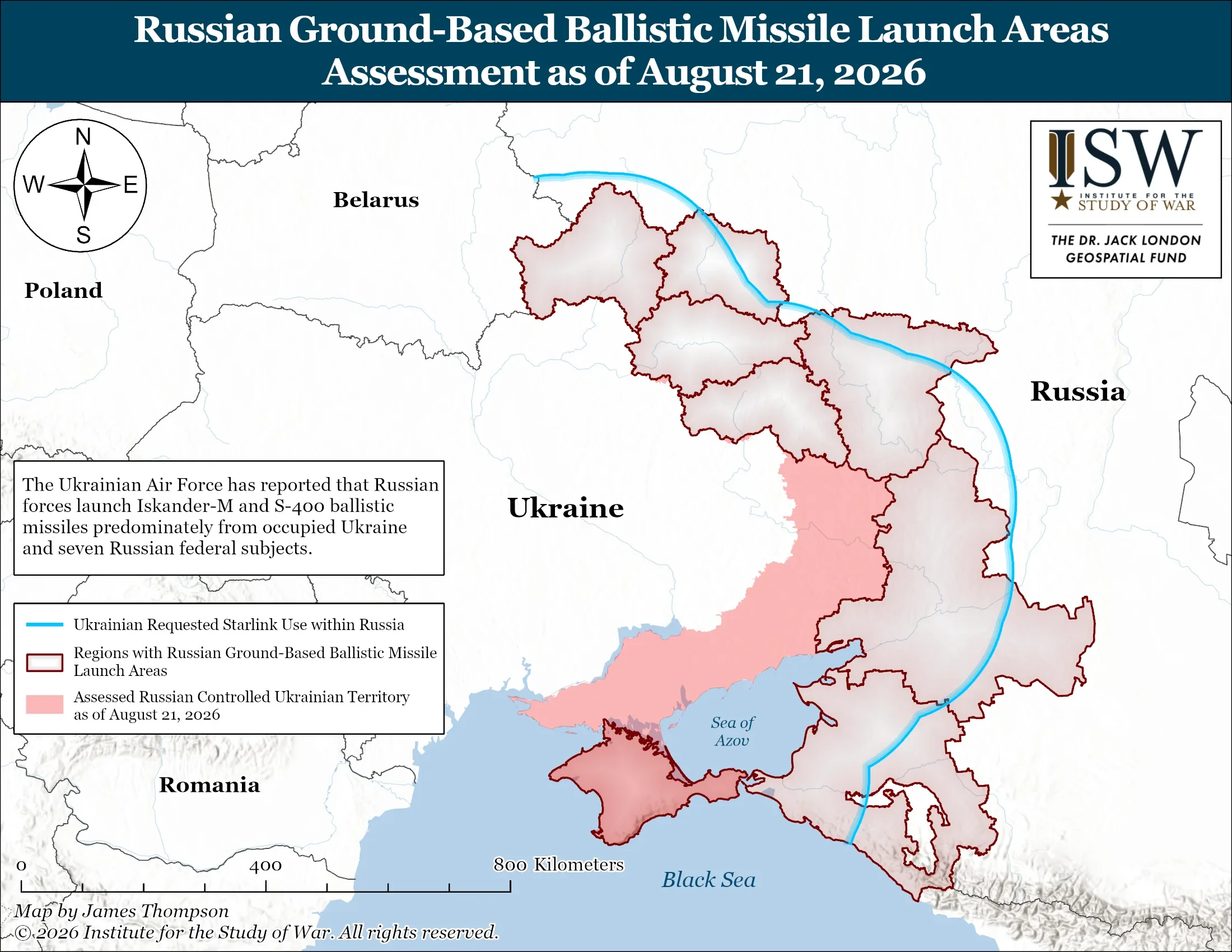
If Russia's response to attrition is more bodies, Ukraine's is smarter tools. Reporting this week indicates that Kyiv is seeking approval to use Starlink-connected drones to strike Russian ballistic-missile launchers deep inside Russian territory.
Over the summer, Russia shifted its strike packages toward ballistic and quasi-ballistic missiles precisely because they are hard to intercept, pressuring Ukraine's limited stock of high-end interceptors.
Rather than wait on scarce foreign interceptor supplies, Ukraine is developing a different solution: hunt the launchers themselves. Reliable, low-latency satellite connectivity over defined stretches of Russia would let Ukrainian drones locate and hit mobile launch systems with far greater accuracy — countering the missile threat at its source instead of trying to shoot down every warhead in flight.
Precision From the Air
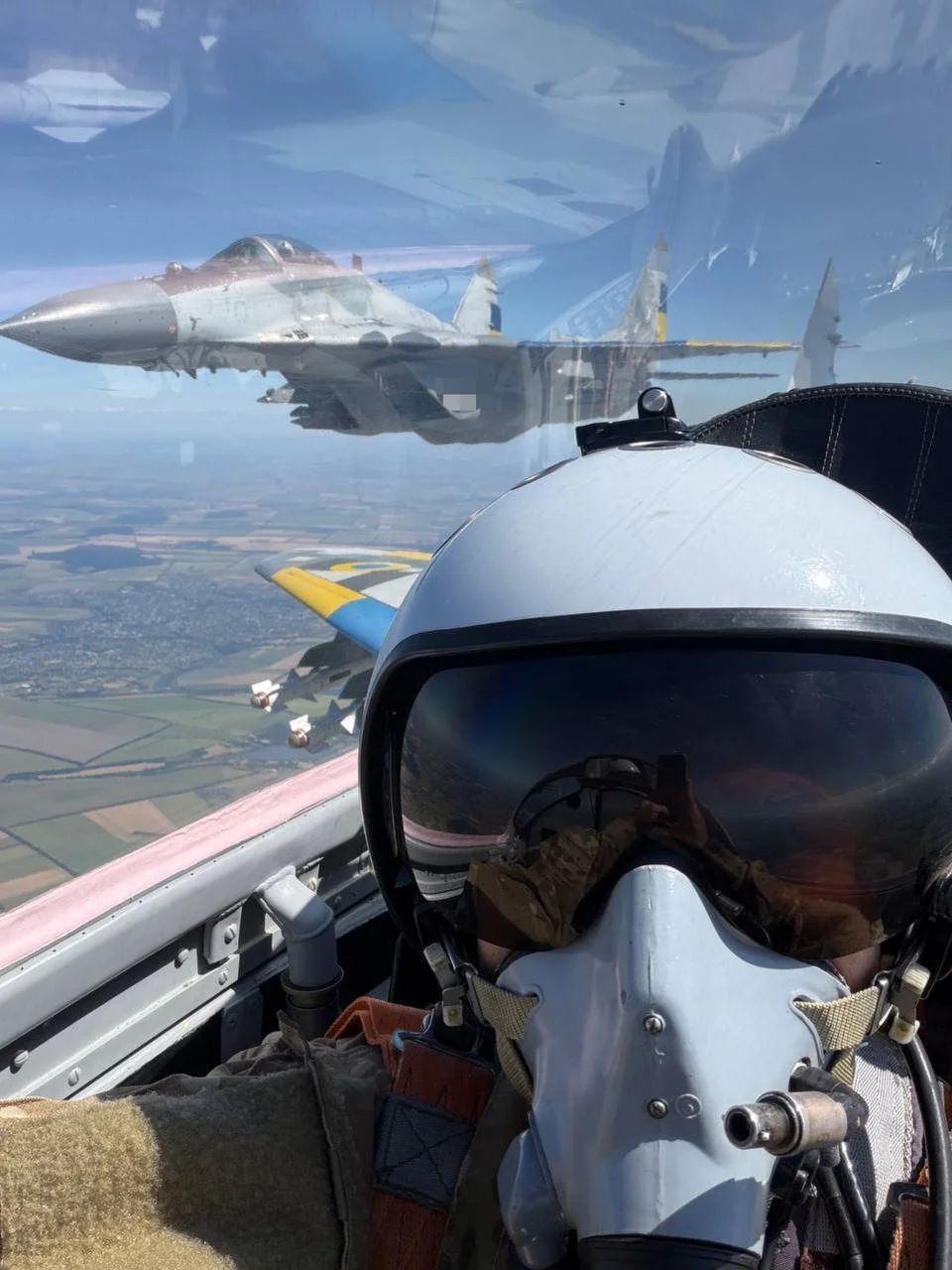
That same emphasis on precision is visible overhead. New imagery has surfaced detailing missions flown by former Slovak MiG-29s now in Ukrainian service, which have been used to strike Russian bridges and crossings, the arteries that keep Russian logistics moving.
Targeting infrastructure like this multiplies the effect of each sortie, slowing Russian resupply without a head-on clash.
Ukraine confirmed the loss of one MiG-29 last week. Russian claims of downing a second aircraft in the Donetsk region remain unconfirmed and, given Ukraine's consistent transparency about its own losses, appear unlikely.
Where the Pressure Is Highest
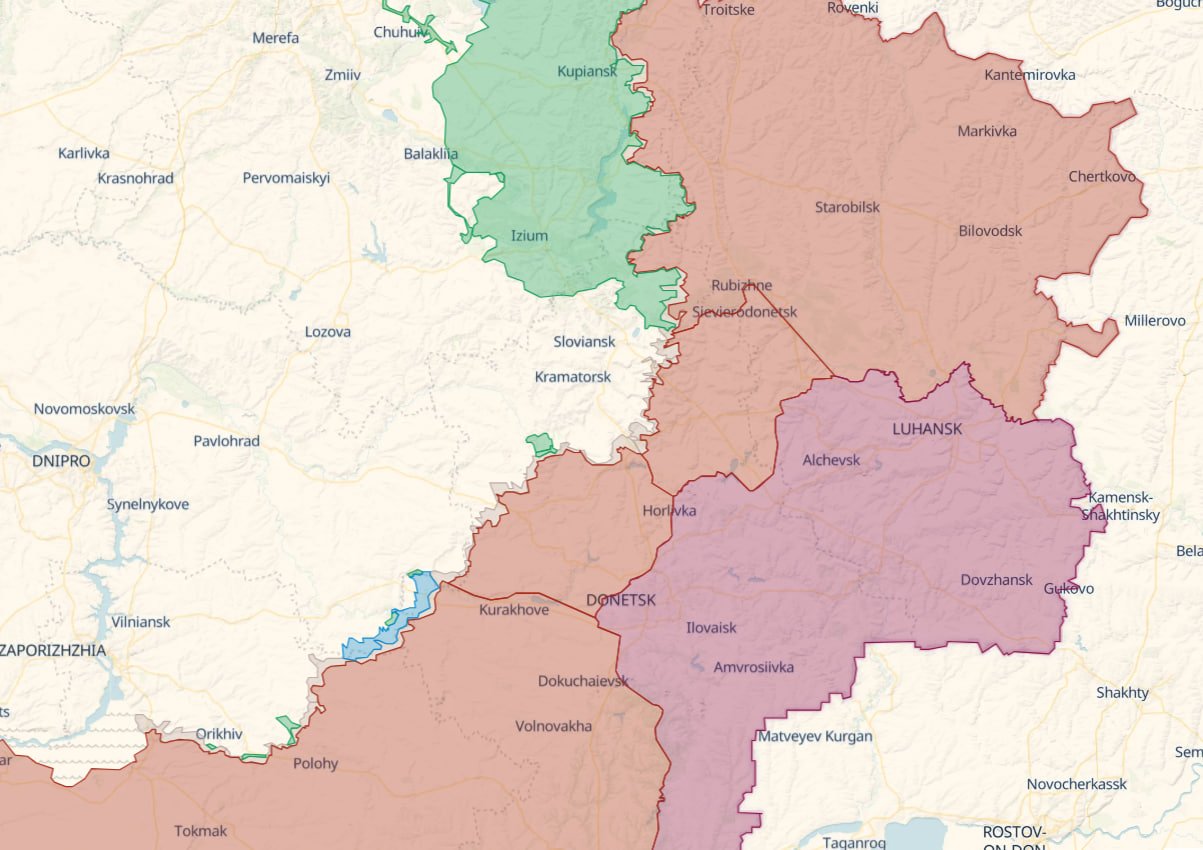
Ukraine's General Staff recorded roughly 240 combat engagements across the front in a single day, with the Pokrovsk and Kostiantynivka sectors again absorbing the heaviest pressure — more than 30 and more than 25 Russian assaults respectively.
The Kupiansk direction is under acute strain, and Russian forces are pressing toward Dobropillia in an apparent effort to encircle it. Ukrainian defenders continued to repel attacks across the Lyman, Sloviansk, Huliaipole, and Orikhiv directions, holding the line under sustained assault.
The Bigger Picture
Taken together, these developments describe a war of adaptation.
Russia is internationalizing the conflict and outsourcing its manpower problem, while relying on missiles Ukraine struggles to intercept. Ukraine is answering with innovation, satellite-guided drones, deep strikes on launchers and logistics, and precision over mass. Each side is testing whether its theory of the war can outlast the other's.
For Ukraine's partners, the lesson is that sustained pressure and reliable support matter most precisely at moments like this, when the battlefield is shifting, and the stakes are rising.
Sources:
Institute for the Study of War — Russian Offensive Campaign Assessment, August 21, 2026
United24 Media — Daily Update: Russia Loses 1,240 Troops, 6 Tanks and 64 Artillery Systems
EUobserver — Ukraine using Slovak MiG-29s to destroy Russian bridges (Ukraine Battlefield update, Day 1,637)
Ukrainska Pravda — Battlefield sees almost 240 clashes: Pokrovsk and Kostiantynivka fronts remain hottest areas
DeepState — Map as of 22.08.2026